August 5, 2026
Queen Elizabeth National Park: Complete Safari Guide
Uganda’s Queen Elizabeth National Park stands as one of Africa’s most diverse and visually striking safari destinations, offering an extraordinary blend of savannah wildlife, crater lakes, volcanic landscapes, and rich wetland ecosystems. For travelers seeking a well-rounded wildlife experience, Queen Elizabeth National Park Uganda delivers an unmatched combination of game drives, boat cruises, birdwatching, and cultural encounters in one continuous ecosystem.
Stretching across the western arm of the East African Rift Valley, the park connects Lake George and Lake Edward through the famous Kazinga Channel, creating a wildlife corridor that supports some of the highest concentrations of hippos in Africa, alongside elephants, lions, buffalo, and countless bird species.
At Monumental Gorilla Tours, Queen Elizabeth National Park is a core destination in Uganda safari itineraries, often combined with gorilla trekking in Bwindi and chimpanzee tracking in Kyambura Gorge or Kibale Forest for a complete primate and big game experience.
Overview of Queen Elizabeth National Park Uganda
Queen Elizabeth National Park is Uganda’s most popular savannah safari destination and one of the most biologically diverse protected areas in East Africa. Established in 1952, the park covers approximately 1,978 square kilometers and is named after Queen Elizabeth II following her visit to Uganda.
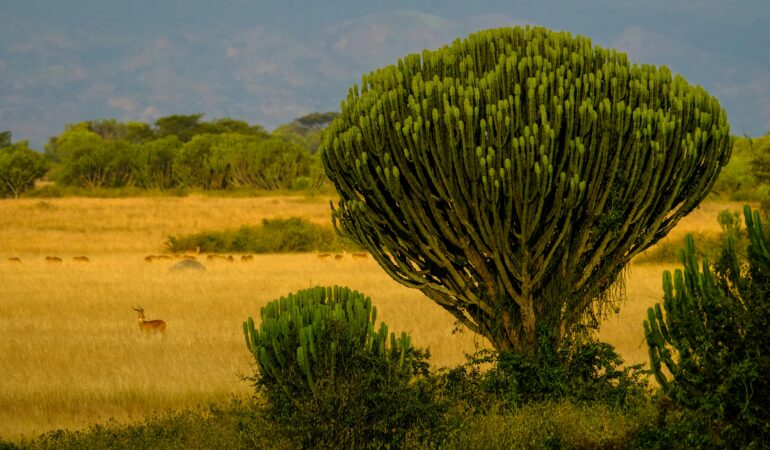
The park’s ecological diversity is remarkable. It includes open savannah plains, crater lakes, dense forests, wetlands, and volcanic formations, all within a single protected area. This diversity supports an incredible range of wildlife, making Queen Elizabeth National Park safari Uganda one of the most rewarding wildlife experiences in the region.
Visitors can expect classic African safari scenery combined with unique geological features that are rarely found together in one destination.
Wildlife Diversity in Queen Elizabeth National Park
Queen Elizabeth National Park is home to over 95 mammal species, making it one of the richest wildlife ecosystems in Uganda. The park supports large populations of elephants, buffalo, Uganda kob, warthogs, and various antelope species.
Lions are among the top predators found in the park, with the famous tree-climbing lions of the Ishasha sector attracting global attention. These lions are often seen resting in fig and acacia trees, a behavior that remains a rare and fascinating adaptation.
Leopards are also present, although more elusive, while hyenas and jackals play important roles in the park’s predator-prey dynamics.
For many travelers, encountering these animals during Queen Elizabeth National Park game drives is the highlight of their Uganda safari experience.
The Famous Tree-Climbing Lions of Ishasha
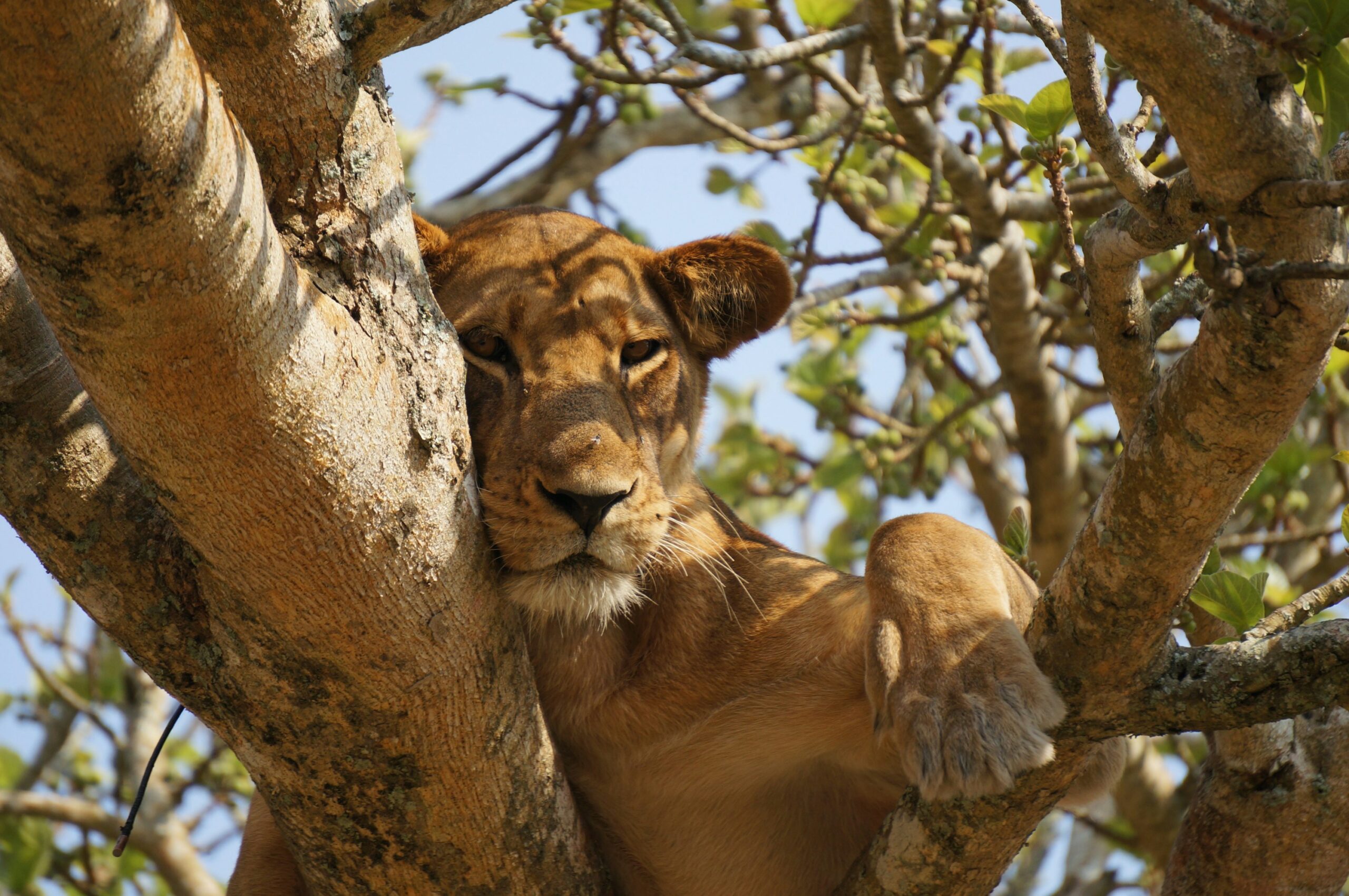 The Ishasha sector in the southern part of the park is world-renowned for its tree-climbing lions, a behavior that has puzzled and fascinated wildlife experts for decades.
These lions are frequently seen resting on large fig trees during the heat of the day, offering exceptional photographic opportunities. While similar behavior exists in a few other parts of Africa, Ishasha remains one of the most reliable places to observe this phenomenon.
The reasons behind this behavior are believed to include temperature regulation, insect avoidance, and territorial advantage, although no single explanation fully accounts for it.
For travelers on a Queen Elizabeth National Park safari Uganda, Ishasha is a must-visit sector that adds a unique dimension to traditional game viewing.
Kazinga Channel: Uganda’s Wildlife Highway
The Kazinga Channel is one of the most iconic features of Queen Elizabeth National Park. This natural waterway connects Lake Edward and Lake George and supports one of the highest concentrations of hippos in the world.
Boat cruises along the channel offer exceptional wildlife viewing, with large pods of hippos, Nile crocodiles, elephants, buffalo, and an extraordinary variety of bird species visible along the shores.
Birdlife is especially rich here, with species such as African fish eagles, pink-backed pelicans, pied kingfishers, and African skimmers commonly observed.
For many visitors, the Kazinga Channel represents the heart of wildlife viewing in Queen Elizabeth National Park Uganda, combining aquatic and terrestrial ecosystems in one immersive experience.
Birding in Queen Elizabeth National Park
Queen Elizabeth National Park is a premier birding destination with over 600 recorded bird species, making it one of the richest birding locations in Africa.
The park’s varied habitats support both resident and migratory species, including wetland birds, savannah specialists, and forest dwellers. The Kasenyi plains, Mweya Peninsula, and Kazinga Channel are particularly productive birding areas.
Notable species include the African fish eagle, shoebill stork (occasionally seen in nearby wetlands), African jacana, martial eagle, and various kingfishers and bee-eaters.
For bird enthusiasts, Queen Elizabeth National Park birding Uganda offers an unmatched diversity that complements traditional wildlife safaris.
Crater Lakes and Scenic Landscapes
One of the most visually striking features of Queen Elizabeth National Park is its network of volcanic crater lakes. These lakes were formed by ancient volcanic activity and now create dramatic landscapes surrounded by rolling hills and savannah plains.
The Katwe Explosion Craters offer some of the best viewpoints in the park, with panoramic views of salt lakes, grasslands, and distant mountains.
Lake Katwe itself is known for traditional salt mining, where local communities extract salt using methods passed down through generations.
These landscapes add a geological and cultural dimension to the Queen Elizabeth National Park safari experience, making it more than just a wildlife destination.
Chimpanzee Tracking in Kyambura Gorge
Kyambura Gorge, often referred to as the “Valley of Apes,” is one of the most unique ecosystems within Queen Elizabeth National Park. This deep rainforest gorge cuts through the savannah landscape and supports a small population of chimpanzees.
Chimpanzee tracking in Kyambura offers a rare opportunity to observe primates in a dramatic underground forest environment surrounded by open plains.
Although sightings are not guaranteed due to the chimpanzees’ mobility, the experience of trekking through this lush, enclosed forest is rewarding in itself.
For travelers combining primate and wildlife experiences, Queen Elizabeth National Park chimpanzee tracking Uganda provides an important ecological contrast to gorilla trekking in Bwindi.
Best Time to Visit Queen Elizabeth National Park
Queen Elizabeth National Park is a year-round destination, but the dry seasons from June to September and December to February are generally considered the best for game viewing.
During these periods, animals congregate around water sources, making them easier to locate during game drives. Road conditions are also more favorable for travel within the park.
The wet seasons, however, offer lush landscapes, excellent birding opportunities, and fewer tourists, creating a more secluded safari experience.
Understanding seasonal variations helps travelers optimize their Queen Elizabeth National Park safari Uganda itinerary.
Safari Activities in Queen Elizabeth National Park
Queen Elizabeth National Park offers a wide range of safari activities that cater to different interests and travel styles. Game drives are the most common activity, providing opportunities to explore the Kasenyi plains, Ishasha sector, and crater regions.
Boat cruises along the Kazinga Channel offer a relaxed yet highly productive way to observe wildlife from the water.
Nature walks, birding excursions, and cultural visits to nearby communities also provide deeper insights into the region’s ecosystems and traditions.
This diversity of activities makes Queen Elizabeth National Park tours Uganda suitable for both short and extended safari itineraries.
Cultural Encounters Around the Park
The communities surrounding Queen Elizabeth National Park play an important role in Uganda’s tourism ecosystem. Cultural visits allow travelers to engage with local traditions, including salt mining at Lake Katwe and traditional fishing practices along the Kazinga Channel.
These interactions provide valuable context for understanding how local communities coexist with wildlife and natural resources.
Cultural tourism also supports conservation by generating income that reduces pressure on protected areas.
Conservation and Wildlife Protection
Queen Elizabeth National Park is part of a larger conservation landscape that includes surrounding wildlife corridors and protected areas. Conservation efforts focus on maintaining habitat connectivity, reducing human-wildlife conflict, and protecting key species such as elephants and lions.
Uganda Wildlife Authority works closely with local communities and tourism operators to ensure sustainable management of the park’s resources.
Tourism plays a critical role in supporting these efforts, with safari revenues contributing directly to conservation programs and community development.
Responsible travel ensures that Queen Elizabeth National Park wildlife Uganda continues to thrive for future generations.
Who Should Visit Queen Elizabeth National Park
Queen Elizabeth National Park is suitable for a wide range of travelers, including first-time safari visitors, wildlife photographers, birdwatchers, families, and experienced safari enthusiasts.
Its accessibility and diversity make it an ideal destination for combining multiple safari experiences within a single location.
For travelers seeking a balanced Uganda itinerary, it serves as a central highlight between gorilla trekking destinations and northern savannah parks.
Conclusion
Queen Elizabeth National Park remains one of Africa’s most diverse and rewarding safari destinations. Its combination of savannah wildlife, crater lakes, wetlands, and forested gorges creates a unique ecological landscape that few parks in the world can match.
From tree-climbing lions in Ishasha to hippo-filled waters of the Kazinga Channel, every corner of the park offers a distinct and memorable wildlife experience.
For travelers planning a comprehensive Uganda safari, Queen Elizabeth National Park Uganda is not just a destination—it is an essential part of understanding the country’s extraordinary biodiversity.