August 5, 2026
Nile Crocodile Uganda: Safari Safety and Viewing Guide
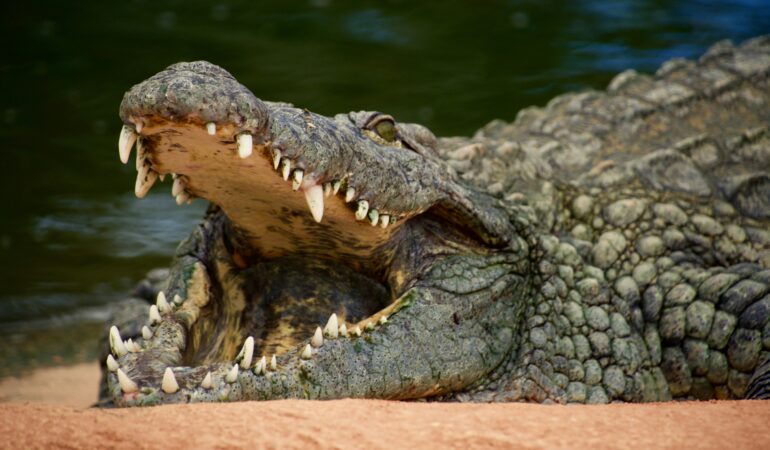
The Nile crocodile Uganda is one of the most powerful and awe-inspiring reptiles in Africa, commanding both respect and fascination from travelers exploring Uganda’s rivers and lakes. As the largest crocodilian species on the continent, it plays a crucial ecological role in Uganda’s aquatic ecosystems, particularly along the Nile River and its surrounding wetlands.
For many safari travelers, encountering a Nile crocodile in the wild is a defining moment—one that blends excitement with a deep awareness of nature’s raw power. From the roaring waters of Murchison Falls to the calm banks of Lake Victoria and Queen Elizabeth National Park’s Kazinga Channel, these ancient predators are a consistent presence in Uganda’s waterways.
At Monumental Gorilla Tours, crocodile viewing experiences are often integrated into broader Uganda wildlife safaris, especially boat cruises that combine safety, comfort, and high wildlife visibility.
Overview of Nile Crocodiles in Uganda
The Nile crocodile in Uganda is a dominant apex predator found in rivers, lakes, and wetlands across the country. These reptiles have existed for millions of years, evolving into highly efficient hunters capable of surviving in diverse aquatic environments.
Uganda offers some of the best crocodile viewing opportunities in East Africa due to its abundant freshwater systems. The Nile River system, Lake Victoria, Lake Albert, and the Kazinga Channel all support stable crocodile populations.
These animals are not just fearsome predators; they are also vital to maintaining ecological balance by controlling fish populations and scavenging dead animals, preventing disease spread in aquatic environments.
Where to See Nile Crocodiles in Uganda
Uganda provides several prime locations for observing Nile crocodiles in their natural habitat. Each destination offers a unique viewing experience depending on the ecosystem and wildlife density.
Murchison Falls National Park is arguably the most famous location, where crocodiles bask along the banks of the Nile River, often in close proximity to hippos and buffalo. The stretch of river below the falls provides some of the most reliable sightings in Africa.
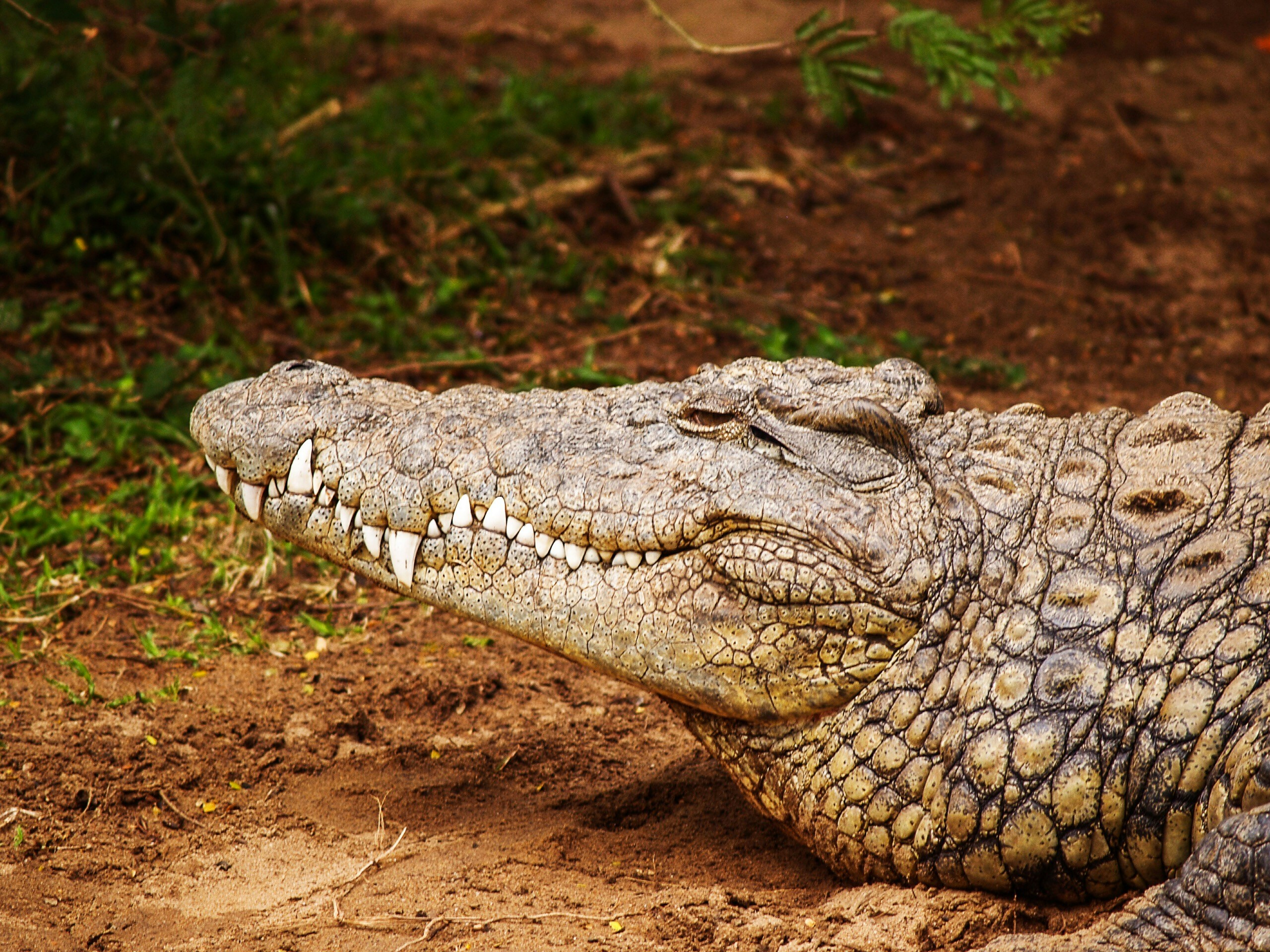 In Queen Elizabeth National Park, particularly along the Kazanza Channel, crocodiles are commonly seen during boat cruises. Here, they share the waters with elephants, hippos, and countless bird species, creating one of Uganda’s most biodiverse aquatic environments.
Lake Victoria also hosts a healthy crocodile population, especially in quieter bays and wetland areas where human disturbance is minimal. These sightings are often more subtle but equally rewarding for patient observers.
For travelers interested in Nile crocodile Uganda viewing safaris, these destinations provide consistent and safe observation opportunities when guided properly.
Behavior and Hunting Patterns of Nile Crocodiles
Nile crocodiles are highly adapted ambush predators. They rely on stealth, patience, and explosive speed to capture prey. Their typical hunting strategy involves remaining submerged or partially hidden near riverbanks, waiting for unsuspecting animals to approach the water.
Once within striking distance, they use powerful jaws and rapid acceleration to seize prey, often dragging it underwater to drown it. This technique makes them one of the most efficient predators in Africa’s freshwater systems.
Despite their fearsome reputation, crocodiles spend a significant portion of their time basking in the sun to regulate body temperature. This behavior makes them easier to observe during safari boat cruises, especially in the early morning and late afternoon.
Understanding these behaviors is essential for appreciating crocodile safety in Uganda safaris, as it helps travelers recognize safe viewing distances and avoid risky interactions.
Nile Crocodile Size, Strength, and Adaptations
Adult Nile crocodiles can grow up to 5 meters in length, with some exceptional individuals exceeding this size. Their powerful tails allow them to swim with incredible speed, while their armored skin provides protection from predators and environmental hazards.
Their bite force is among the strongest in the animal kingdom, capable of crushing bones and holding large prey firmly. Despite this power, crocodiles are remarkably energy-efficient, often surviving long periods without food.
Their sensory adaptations, including pressure receptors along their jaws, allow them to detect even the slightest movements in water. This makes them highly effective hunters even in murky river conditions, such as those found in parts of the Nile system.
These physical traits reinforce why the Nile crocodile Uganda safari experience is both thrilling and demanding of respect.
Safety Guidelines for Viewing Nile Crocodiles
Safety is a critical aspect of crocodile viewing in Uganda. While boat safaris and guided tours provide secure environments, it is important for travelers to understand basic safety principles.
Crocodiles should always be observed from a safe distance, preferably from boats or designated viewing platforms. Entering water bodies in crocodile-inhabited areas is strongly discouraged unless in controlled environments.
During boat cruises, staying inside the vessel and following guide instructions ensures a safe experience. Sudden movements near riverbanks or attempting to provoke wildlife should always be avoided.
Local guides are highly experienced in interpreting crocodile behavior, which is essential for maintaining safe viewing conditions during Uganda safari crocodile encounters.
The Kazinga Channel Experience
One of the most remarkable places to observe crocodiles is the Kazinga Channel, a natural waterway connecting Lake Edward and Lake George in Queen Elizabeth National Park.
Boat cruises along this channel offer exceptional wildlife density, with crocodiles often seen basking on sandy shores or partially submerged near hippo pods. The channel is also home to a rich variety of birdlife, including African fish eagles, pelicans, and kingfishers.
The coexistence of multiple large species in this ecosystem creates a dynamic and visually striking safari experience. For many travelers, this is one of the most memorable highlights of crocodile viewing Uganda safaris.
Murchison Falls and the Nile River Ecosystem
Murchison Falls National Park offers one of the most dramatic crocodile habitats in Africa. Here, the Nile River is forced through a narrow gorge before plunging into a powerful waterfall, creating a unique downstream ecosystem.
Below the falls, the river slows and widens, forming ideal basking areas for crocodiles. Large individuals can often be seen lying motionless along sandy banks, particularly during sunny hours.
Boat safaris in this region provide close but safe encounters, allowing visitors to observe crocodiles alongside hippos, elephants, and waterbirds. The sheer concentration of wildlife makes this one of the most important destinations for Nile crocodile Uganda safari experiences.
Crocodiles and Human-Wildlife Coexistence
In Uganda, crocodiles often inhabit areas close to human settlements, particularly near fishing communities along Lake Victoria and the Nile River. This proximity sometimes leads to conflict, especially when fishing activities overlap with crocodile feeding zones.
However, conservation efforts and community education programs have helped improve coexistence by promoting safe fishing practices and awareness of crocodile behavior.
Tourism plays a positive role in this balance by providing alternative income sources and encouraging habitat protection. Responsible tourism ensures that Uganda crocodile populations remain stable while reducing risks to local communities.
Best Time for Crocodile Viewing in Uganda
Crocodiles can be observed throughout the year, but certain times of day offer better visibility. Early morning and late afternoon are ideal, as cooler temperatures encourage basking behavior along riverbanks.
During midday heat, crocodiles may become less visible as they move into water or shaded areas. However, boat safaris still provide opportunities to observe submerged individuals.
Dry seasons generally enhance viewing conditions due to lower water levels, which concentrate wildlife along riverbanks and channels.
Understanding these patterns improves the quality of Nile crocodile Uganda safari sightings.
Crocodiles and Ecosystem Importance
Despite their intimidating appearance, Nile crocodiles play a vital ecological role in Uganda’s aquatic ecosystems. As apex predators, they help regulate fish populations and maintain ecological balance.
They also contribute to nutrient cycling by consuming carrion and redistributing nutrients across water systems. This ecological function supports both aquatic and terrestrial biodiversity.
Without crocodiles, aquatic ecosystems would become imbalanced, affecting fish populations and overall environmental health. Their presence is therefore essential for maintaining the integrity of Uganda’s freshwater ecosystems.
Photography Tips for Crocodile Viewing Safaris
Photographing Nile crocodiles requires patience and attention to lighting conditions. Early morning light provides soft illumination that enhances texture and detail on their scales.
Telephoto lenses are essential for maintaining safe distances while capturing close-up behavior. Reflections on water surfaces can also create dramatic compositions when crocodiles are partially submerged.
Capturing interaction scenes, such as crocodiles near hippos or birds perched nearby, adds ecological context to wildlife images.
For travelers on safari with Monumental Gorilla Tours, guides often position boats strategically to optimize photography opportunities while maintaining safety.
Who Should Experience Nile Crocodile Safaris in Uganda
Crocodile viewing experiences are suitable for a wide range of travelers, including wildlife enthusiasts, photographers, families, and first-time safari visitors.
They are particularly appealing to travelers interested in predator-prey dynamics and aquatic ecosystems. Combined with Uganda’s broader safari offerings, crocodile encounters add depth and diversity to wildlife itineraries.
When paired with gorilla trekking, chimpanzee tracking, or savannah game drives, Nile crocodile Uganda safaris contribute to a complete and immersive wildlife experience.
Conclusion
The Nile crocodile Uganda safari experience offers one of the most thrilling and educational wildlife encounters in East Africa. From the powerful currents of the Nile River to the calm waters of Lake Victoria and Queen Elizabeth National Park, crocodiles remain a constant and essential presence in Uganda’s aquatic landscapes.
Observing these ancient reptiles in their natural habitat provides a deeper understanding of ecological balance, predator behavior, and the importance of conservation in freshwater ecosystems.
For travelers seeking a well-rounded Uganda safari, crocodile viewing adds intensity, contrast, and unforgettable wildlife moments that complement the country’s forest and savannah experiences.