July 31, 2026
Kampala City Guide for Safari Travelers: What to Do and See
A Kampala city guide is essential for any traveler planning a safari in Uganda, as the capital city is not only the country’s political and economic hub but also the main gateway to most wildlife destinations. Whether you are heading to Bwindi for gorilla trekking, Murchison Falls for game drives, or Queen Elizabeth National Park for a classic safari experience, Kampala often becomes the first or last stop in your journey.
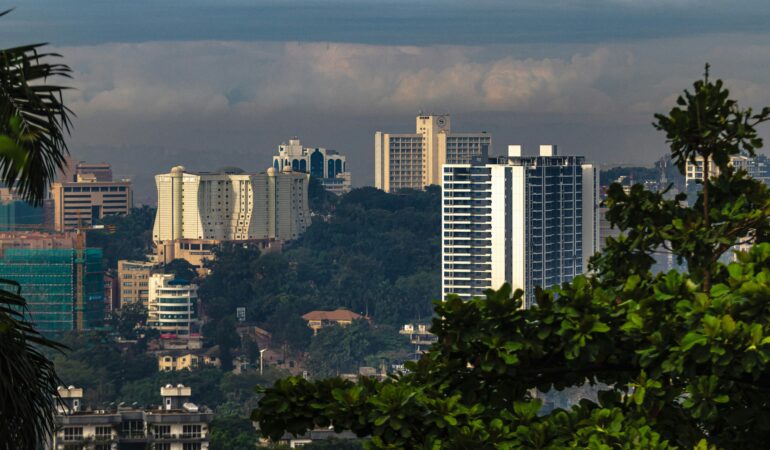
Unlike many African capitals that function primarily as transit points, Kampala has its own rhythm, culture, and layered identity. Built across seven historic hills and now expanding into a modern metropolitan center, the city blends traditional heritage with fast-growing urban energy. For safari travelers, it offers a soft landing into Uganda’s culture before heading into the wilderness, and a vibrant re-entry point after days in national parks.
This Kampala travel guide focuses on what to see, how to experience the city, and how it fits naturally into a wider Uganda safari itinerary.
Kampala as a Safari Gateway City
Kampala plays a central role in Uganda’s tourism landscape. Most international travelers arrive through Entebbe International Airport, located about 40 kilometers from the city, before transferring to Kampala for overnight stays or safari departures. From here, journeys begin toward gorilla trekking regions in the southwest, savannah parks in the north, or adventure destinations like Jinja.
What makes Uganda safari starting point Kampala so important is its connectivity. Road networks radiate outward to all major parks, and most safari operators, including Monumental Gorilla Tours, structure itineraries that begin or end in the city. This makes Kampala a logistical anchor for both luxury and midrange safari experiences.
For many visitors, Kampala is more than a stopover. It becomes the introduction to Uganda’s hospitality, food culture, and urban life before transitioning into the country’s natural landscapes.
Kampala’s Cultural Identity and Urban Landscape
Kampala is a city shaped by history, religion, trade, and cultural diversity. It sits on a series of rolling hills that each hold historical or administrative significance, including Mengo Hill, home to the Buganda Kingdom, and Nakasero Hill, which hosts government institutions and diplomatic residences.
The city’s cultural identity is strongly influenced by the Buganda Kingdom, one of the most powerful traditional monarchies in East Africa. This heritage is visible in architecture, language, and cultural sites spread throughout the city. At the same time, Kampala has developed into a modern urban center with shopping malls, nightlife districts, and expanding infrastructure.
This blend of tradition and modernity makes Kampala attractions for tourists particularly diverse, offering everything from royal palaces to contemporary art spaces within a relatively small geographic area.
Top Things to Do in Kampala
The range of things to do in Kampala Uganda reflects the city’s layered personality. One of the most important cultural landmarks is the Kasubi Tombs, a UNESCO World Heritage Site that serves as the burial grounds for Buganda kings. The site provides deep insight into traditional architecture and royal history.
Another significant cultural stop is the Kabaka’s Palace in Mengo, which remains an important symbol of the Buganda Kingdom. Nearby, the Uganda Museum offers historical exhibits that trace the country’s evolution from prehistoric times through colonial history to modern independence.
Religious landmarks also define the city skyline. The Gaddafi National Mosque, located on Old Kampala Hill, offers panoramic views of the city after climbing its minaret. The Namirembe Cathedral and Rubaga Cathedral represent Uganda’s strong Christian heritage and architectural diversity.
For travelers seeking a more relaxed urban experience, Kampala’s craft markets and art galleries provide opportunities to explore local creativity. Places like the National Theatre craft market and Buganda Road markets are ideal for handmade souvenirs, textiles, and traditional crafts.
Kampala Food and Local Dining Culture
Food is an essential part of experiencing Kampala. The city offers a wide culinary range, from traditional Ugandan dishes to international cuisine. Local food markets and street stalls serve staples such as matoke, roasted meats, and groundnut-based dishes, giving visitors a direct introduction to Ugandan flavors.
Restaurants in areas like Kololo, Nakasero, and Bugolobi provide more refined dining experiences, often blending African ingredients with global cooking styles. Fresh fish from Lake Victoria is also a common highlight, especially in restaurants closer to the lakefront.
For safari travelers, Kampala’s food scene offers a comfortable transition between international travel and bush dining experiences in national parks.
Kampala Nightlife and Entertainment
Kampala is widely known as one of East Africa’s most energetic nightlife cities. The entertainment scene includes rooftop lounges, live music venues, and dance clubs that stay active late into the night. Areas such as Kabalagala and Kololo are particularly known for nightlife activities.
Live music plays a central role in the city’s entertainment culture, with performances ranging from Afrobeat and reggae to traditional Ugandan rhythms. For travelers finishing a safari, Kampala’s nightlife offers a completely different rhythm from the quiet landscapes of national parks.
However, visitors are encouraged to move responsibly, use trusted transport, and stay within well-known entertainment districts.
Kampala Safety and Travel Tips
Kampala is generally safe for tourists, especially in established neighborhoods and guided travel settings. Like any large African city, basic precautions are recommended, particularly when moving at night or visiting crowded areas.
Safari travelers often find that staying in centrally located hotels or booking through a safari operator simplifies city navigation. Many Kampala city sightseeing experiences are arranged as guided tours, ensuring safe and structured exploration.
Traffic congestion is one of the most noticeable aspects of the city. Travel times can vary significantly depending on the time of day, so planning transfers with flexibility is important.
Kampala as Part of a Uganda Safari Itinerary
Kampala is rarely a standalone destination for safari travelers but functions as a critical link in broader itineraries. Most Uganda safaris begin with a city overnight before heading to destinations such as Bwindi Impenetrable Forest, Queen Elizabeth National Park, or Murchison Falls National Park.
After safaris, many travelers return to Kampala for rest, shopping, or departure flights from Entebbe. This makes the city both a starting and ending point for most journeys arranged by operators like Monumental Gorilla Tours.
Its central location also allows easy connections to Jinja for adventure activities or to Lake Mburo National Park for shorter safari extensions.
Shopping and Local Markets in Kampala
Shopping in Kampala offers insight into Uganda’s creative and artisanal industries. Craft markets sell handmade baskets, beadwork, wood carvings, and traditional fabrics. These items are often produced by local artisans, making them meaningful souvenirs from a Uganda safari experience.
Modern shopping malls in the city provide international brands, supermarkets, and comfortable spaces for travelers who prefer structured retail environments. This combination of traditional and modern shopping reflects Kampala’s dual identity.
Why Kampala Matters for Safari Travelers
Kampala is more than a capital city; it is the cultural and logistical heart of Uganda’s tourism industry. Every major safari route passes through or near it, and it provides the infrastructure needed to support long-distance travel into remote wildlife regions.
For many travelers, the city becomes the place where their Uganda experience begins to take shape. It offers context, preparation, and cultural grounding before the safari journey moves into forests, savannahs, and lakes.
Planning Your Stay in Kampala
A stay in Kampala typically ranges from one to three nights depending on the safari itinerary. Travelers arriving late into Entebbe often transfer directly to Kampala for rest before beginning overland journeys the following day.
Accommodations range from luxury hotels in Kololo and Nakasero to boutique lodges and midrange city hotels. Most safari packages include airport transfers and city accommodation to ensure a smooth start to the itinerary.
Conclusion
Kampala is the perfect introduction to Uganda’s safari experience, blending culture, history, and modern urban life before the wilderness begins. For travelers planning gorilla trekking, wildlife safaris, or combined East Africa tours, a well-structured itinerary starting in Kampala ensures a seamless journey across Uganda’s most iconic destinations.
Plan your Uganda safari experience with Monumental Gorilla Tours for expertly designed itineraries that connect Kampala with gorilla trekking, national parks, and adventure destinations across the country.