July 29, 2026
Is Gorilla Trekking Worth the Cost? Honest Review
Few safari experiences in the world spark as much debate about value as a gorilla trekking safari in Uganda. At first glance, the cost of a gorilla trekking permit can feel high compared to other wildlife experiences in Africa. Travelers often pause and ask the same question: is gorilla trekking worth the cost, or is it an expensive bucket-list activity driven mainly by rarity and hype?
The honest answer is more nuanced than a simple yes or no. The value of gorilla trekking in Bwindi Impenetrable National Park or Mgahinga Gorilla National Park is not measured only in dollars, but in the uniqueness of the encounter, conservation impact, logistics, exclusivity, and emotional depth of the experience.
At Monumental Gorilla Tours, we guide travelers through this decision every day, and what consistently emerges is that gorilla trekking is not just a safari activity—it is one of the most powerful wildlife encounters on Earth, and its cost reflects far more than the one hour spent with mountain gorillas.
Understanding the Real Cost of Gorilla Trekking in Uganda
To evaluate whether gorilla trekking Uganda is worth the cost, it is important to understand what you are actually paying for. A gorilla trekking permit in Uganda is not simply an entry ticket to a park. It is a conservation-funded access pass that supports the survival of one of the world’s most endangered species.
The permit fee contributes directly to anti-poaching patrols, veterinary care, ranger salaries, habitat protection, and community development programs around Bwindi and Mgahinga. Without this funding model, mountain gorillas would not have recovered from the critically endangered status they once held.
Beyond conservation, the permit also covers the guided trekking experience, ranger protection, park maintenance, and strict visitor regulation that ensures only a small number of people access each gorilla family per day.
This controlled system is what makes Bwindi gorilla trekking safaris so exclusive. You are not just paying for an activity; you are paying for access to a carefully protected ecosystem.
What Makes Gorilla Trekking So Unique?
The uniqueness of mountain gorilla trekking in Uganda is one of the strongest arguments for its value. Unlike most wildlife experiences where animals are observed from a distance, gorilla trekking allows you to spend a full hour in close proximity to a wild gorilla family in their natural habitat.
This is not a staged encounter or a zoo-like experience. It is a raw, unpredictable, and deeply immersive moment inside one of Africa’s last remaining montane rainforests.
Bwindi Impenetrable National Park alone contains multiple habituated gorilla families, each with its own silverback, social structure, and behavioral patterns. Watching them interact, feed, rest, and care for infants creates a sense of connection that is difficult to replicate elsewhere in wildlife tourism.
The emotional intensity of locking eyes with a silverback gorilla often becomes the defining memory of an entire Africa safari.
The Emotional Value vs Financial Cost
When travelers question whether gorilla trekking is worth the cost, they often focus only on the financial side. However, the emotional value of the experience is where the true answer lies.
Standing in a dense rainforest, hearing rustling vegetation, and suddenly finding yourself face-to-face with a 200-kilogram silverback is not a standard tourism moment. It is a rare wildlife encounter that feels deeply personal and almost human in its emotional impact.
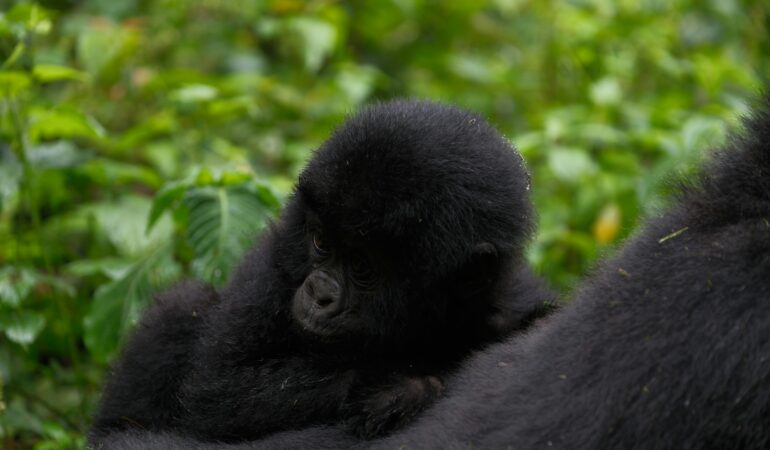
Many visitors describe the experience as humbling, spiritual, or transformative. The presence of infant gorillas clinging to their mothers, juveniles playing nearby, and the calm authority of the silverback creates a natural scene that mirrors human family structures in surprising ways.
These emotional responses are not incidental—they are part of what makes gorilla trekking in Bwindi Impenetrable National Park one of the most sought-after wildlife experiences in the world.
Why the Cost Helps Protect Mountain Gorillas
One of the most important aspects of the gorilla trekking fee is its direct contribution to conservation success. Mountain gorillas were once on the brink of extinction, with population numbers dangerously low due to habitat loss, poaching, and human-wildlife conflict.
Today, thanks to regulated tourism and strong conservation frameworks in Uganda, Rwanda, and the Democratic Republic of Congo, gorilla populations have steadily increased.
In Uganda, revenue from gorilla trekking permits supports continuous monitoring of gorilla families, veterinary intervention for injured or sick gorillas, and protection of Bwindi’s fragile ecosystem.
Local communities also benefit through revenue-sharing programs, which reduce pressure on forests and create alternative livelihoods. This connection between tourism and conservation is one of the strongest arguments in favor of gorilla trekking’s cost.
In other words, when you pay for a permit, you are directly contributing to the survival of a species that shares over 98 percent of human DNA.
The Exclusivity Factor: Limited Daily Permits
Another key reason behind the cost of gorilla trekking Uganda safaris is exclusivity. Only a limited number of permits are issued each day for each gorilla family.
This restriction ensures that gorillas are not stressed by excessive human presence and that their natural behavior remains undisturbed.
As a result, gorilla trekking is not a mass tourism product. It is intentionally limited, carefully managed, and highly regulated.
This exclusivity increases demand and naturally influences cost, but it also ensures that every visitor has a high-quality, uncrowded experience in the forest.
Comparing Gorilla Trekking to Other Safari Experiences
To fairly evaluate whether Bwindi gorilla trekking safaris are worth the cost, it helps to compare them to other African wildlife experiences.
Game drives in savannah parks like Queen Elizabeth National Park or Murchison Falls offer broader wildlife viewing, often at lower cost per day. However, these experiences involve observing animals from a vehicle at a distance.
Chimpanzee trekking in Kibale Forest is also more affordable, but encounters are generally shorter and less emotionally intense due to different behavioral dynamics.
Gorilla trekking stands apart because of its intimacy, rarity, and controlled interaction. It is not about quantity of animals seen, but about the depth of the encounter.
For many travelers, this distinction justifies the higher price point.
Physical Effort and Experience Intensity
Part of the value of gorilla trekking in Uganda comes from the effort required to reach the gorillas. Unlike vehicle-based safaris, trekking involves hiking through dense rainforest, steep terrain, and unpredictable weather conditions.
The physical effort builds anticipation and makes the final encounter feel earned rather than simply accessed.
Bwindi Impenetrable National Park is known for its challenging terrain, which can involve several hours of trekking depending on gorilla movement. This unpredictability adds to the sense of adventure.
Many travelers later reflect that the journey itself was just as meaningful as the gorilla encounter.
Infrastructure, Guides, and Safety Standards
Uganda’s gorilla trekking system is highly structured. Experienced guides, armed rangers, and trained trackers ensure safety and efficiency throughout the experience.
Before each trek, visitors attend a detailed briefing at the park gate, where rules, safety guidelines, and group allocations are explained.
This level of organization is part of what you are paying for when booking a Bwindi gorilla trekking safari. It ensures that even in a remote rainforest environment, the experience remains safe, predictable, and professionally managed.
Without this infrastructure, gorilla trekking would not be accessible to international travelers at the same scale or reliability.
Who Gets the Most Value from Gorilla Trekking?
Gorilla trekking offers different levels of value depending on the type of traveler.
For wildlife enthusiasts, photographers, conservationists, and adventure travelers, the experience is often considered priceless. The opportunity to observe mountain gorillas in their natural habitat is rare and scientifically significant.
For luxury travelers, the combination of exclusive lodges, guided experiences, and seamless logistics adds to the perceived value.
For first-time safari travelers, gorilla trekking often becomes the highlight of their entire African journey.
However, for travelers with limited interest in primates or those expecting a traditional safari experience with large herds and open plains, the value may feel more subjective.
So, Is Gorilla Trekking Worth the Cost?
The honest answer is yes—for most travelers, gorilla trekking in Uganda is absolutely worth the cost.
However, the value is not just in what you see during the one-hour gorilla encounter. It is in the entire experience: the rainforest hike, the anticipation, the conservation impact, the exclusivity, and the emotional connection with one of the world’s most intelligent primates.
It is also worth understanding that gorilla trekking is not designed to be a low-cost mass tourism activity. It is a carefully controlled conservation model that balances tourism revenue with species protection.
When viewed through this lens, the cost becomes part of a much larger global conservation effort.
Experience Gorilla Trekking with Monumental Gorilla Tours
At Monumental Gorilla Tours, we help travelers understand not only the logistics of gorilla trekking safaris in Uganda, but also their real value. We design experiences that maximize comfort, ensure proper permit allocation, and create seamless journeys into Bwindi Impenetrable National Park and Mgahinga Gorilla National Park.
Our itineraries integrate gorilla trekking with wildlife safaris in Queen Elizabeth National Park, Murchison Falls National Park, and chimpanzee trekking in Kibale Forest, offering a complete Uganda safari experience.
We ensure every traveler understands what they are investing in—not just financially, but emotionally and experientially.