July 29, 2026
How Do Mountain Gorillas Sleep? Nest Building Explained
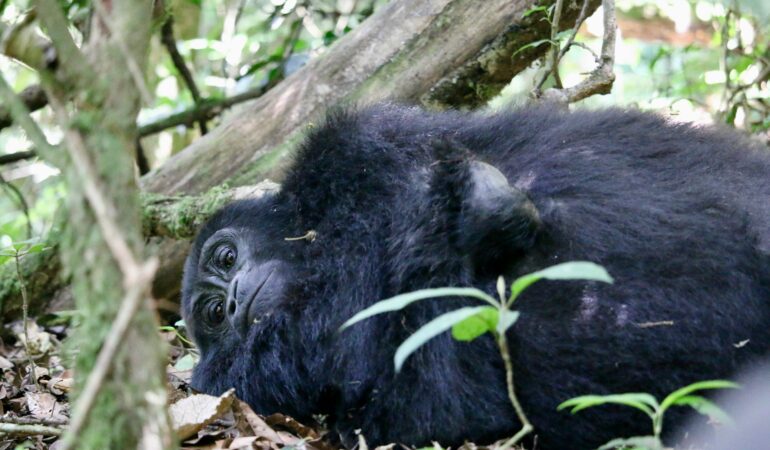
Every evening, as the mist settles over the dense forests of Uganda and Rwanda, one of nature’s most fascinating daily rituals begins. Hidden beneath the towering trees of Bwindi Impenetrable National Park and Mgahinga Gorilla National Park, mountain gorillas carefully prepare for the night by constructing fresh sleeping nests. Unlike many animals that return to permanent dens or shelters, these endangered great apes build a new nest almost every evening using vegetation found around them. This remarkable behavior is not only a testament to their intelligence but also an essential part of their survival.
For travelers embarking on gorilla trekking in Uganda, understanding how mountain gorillas sleep adds another layer of appreciation to an already unforgettable wildlife experience. Although visitors usually encounter gorillas during their daytime activities, every family they observe has likely begun its day by leaving behind carefully constructed nests that served as a safe and comfortable resting place throughout the night.
At Monumental Gorilla Tours, our experienced guides often explain the significance of gorilla nesting behavior during treks, helping visitors understand how these daily routines reveal the intelligence, adaptability, and social organization of one of the world’s most extraordinary primates.
Why Sleep Is Essential for Mountain Gorillas
Like humans and other great apes, mountain gorillas require adequate sleep to maintain physical health, conserve energy, and support cognitive function. Living in the cool, mountainous forests of East Africa demands significant daily energy expenditure. Gorillas spend much of each day moving through dense vegetation, feeding on fibrous plants, interacting socially, caring for young, and monitoring their surroundings for potential threats.
Adult mountain gorillas consume large quantities of leaves, shoots, stems, bark, roots, and seasonal fruits, often feeding for several hours before resting. Sleep allows their bodies to recover while their digestive systems process the enormous volume of vegetation consumed during the day.
Researchers estimate that mountain gorillas typically sleep for approximately twelve hours each night. They generally settle shortly before sunset and awaken around sunrise, following the natural rhythm of daylight in the equatorial forests where they live.
Understanding how mountain gorillas sleep provides valuable insight into the adaptations that have enabled them to thrive in challenging mountain environments for thousands of years.
Do Mountain Gorillas Build a New Nest Every Night?
One of the most remarkable aspects of mountain gorilla nest building is that almost every gorilla constructs a brand-new nest each evening. Rather than returning to the previous night’s sleeping site, they select a new location based on the day’s movements, available vegetation, weather conditions, and the safety of the surrounding area.
This nightly construction process usually begins in the late afternoon after the family has completed most of its feeding activities. As the silverback identifies a suitable resting area, other family members begin gathering nearby vegetation to build individual nests.
Fresh branches, vines, bamboo, leaves, grasses, and other soft plant materials are woven together to create a stable sleeping platform. The process is surprisingly efficient, with experienced adult gorillas completing a nest in only a few minutes.
This behavior demonstrates both practical intelligence and environmental adaptability. By building fresh nests every evening, gorillas reduce exposure to parasites, maintain cleaner sleeping areas, and remain flexible as they travel throughout their forest home.
Where Do Mountain Gorillas Sleep?
The location of a gorilla’s sleeping nest depends on several environmental factors. Most mountain gorillas build ground nests because their substantial body weight makes sleeping in trees impractical. Dense vegetation provides excellent support while allowing family members to remain close together throughout the night.
Adult silverbacks, females, blackbacks, and older juveniles typically construct nests directly on the forest floor using surrounding plants. The forest’s thick vegetation creates natural insulation against the cool mountain temperatures experienced at elevations exceeding 2,000 meters.
Young infants often share their mother’s nest rather than building one independently. This arrangement provides warmth, protection, and easy access for nursing throughout the night.
Occasionally, smaller juveniles or lighter individuals may choose to build nests in low tree branches, particularly if suitable ground vegetation is limited. However, ground nesting remains the dominant behavior among mountain gorillas.
During gorilla trekking in Bwindi, guides sometimes point out abandoned nests from previous nights, allowing visitors to see firsthand how these remarkable sleeping structures are constructed.
How Mountain Gorillas Build Their Sleeping Nests
The process of mountain gorilla nest building reflects years of learning and experience. Adult gorillas carefully evaluate available vegetation before selecting suitable materials that provide both comfort and structural stability.
Using their powerful hands and remarkable dexterity, they bend branches inward, weave flexible stems together, and arrange layers of leaves to create a shallow circular platform. The final result resembles a large, cushioned bowl capable of supporting the gorilla’s considerable weight throughout the night.
Despite their enormous strength, gorillas build these nests with surprising precision. Rather than simply piling vegetation together, they intentionally interlock branches to improve stability while adding softer materials to increase comfort.
Researchers have observed that older gorillas generally construct more sophisticated nests than younger individuals, suggesting that nesting skills improve with age and experience.
This daily engineering achievement highlights the impressive cognitive abilities of mountain gorillas and contributes to our understanding of gorilla intelligence.
The Silverback’s Role in Choosing Sleeping Sites
Within every gorilla family, the dominant silverback plays a central role in determining where the group spends the night. As the leader responsible for protecting the family, he carefully assesses the surrounding environment before selecting a suitable nesting location.
Several factors influence this decision, including food availability, proximity to water, shelter from adverse weather, terrain stability, and protection from potential threats. The chosen site must accommodate every family member while providing sufficient vegetation for nest construction.
Once the silverback settles on a location, the rest of the family begins building nearby nests. Although each gorilla constructs its own sleeping platform, the family remains closely grouped, reinforcing social bonds while enhancing collective security.
The silverback usually positions his nest strategically to monitor the surrounding area, ensuring he can respond quickly if danger approaches during the night.
Mothers and Infants Share Special Sleeping Bonds
Perhaps the most touching aspect of how mountain gorillas sleep involves the relationship between mothers and their young. Gorilla infants remain entirely dependent on their mothers during the earliest years of life, and nighttime is no exception.
Rather than sleeping separately, newborns and young infants share their mother’s nest. Throughout the night, mothers maintain close physical contact, providing warmth, comfort, protection, and access to nursing whenever needed.
As infants mature, they gradually become more independent but often continue sleeping close to their mothers until they develop the confidence and physical ability to construct their own nests.
This extended period of maternal care contributes significantly to the development of social skills, emotional security, and survival knowledge that young gorillas require later in life.
Why Gorillas Do Not Reuse Old Nests
At first glance, rebuilding a nest every evening may seem unnecessary. However, this behavior offers several important survival advantages.
Fresh nests reduce the accumulation of parasites such as fleas, ticks, and other insects that could become established in repeatedly used bedding. New nesting sites also minimize the buildup of waste materials while allowing gorillas to remain mobile as they search for food across large forest areas.
Since mountain gorillas rarely remain in the same feeding location for extended periods, constructing new nests naturally complements their daily travel patterns. Rather than returning to a permanent shelter, they simply create comfortable sleeping platforms wherever the day’s activities conclude.
This flexibility allows gorilla families to adapt efficiently to changing environmental conditions throughout the year.
Weather Influences Nest Construction
The cool, humid climate of Uganda’s mountain forests influences how gorillas build their nests. During wetter periods, they often select locations offering better drainage or additional vegetation that provides protection from rainfall.
The thick layers of leaves incorporated into the nest help insulate against cool nighttime temperatures common at higher elevations. Even during dry seasons, fresh vegetation creates a surprisingly comfortable sleeping surface while reducing direct contact with the forest floor.
Researchers have documented subtle seasonal variations in nesting behavior, demonstrating the adaptability of mountain gorillas to changing environmental conditions.
These adjustments highlight the sophisticated relationship between gorillas and the ecosystems they inhabit.
What Researchers Learn from Gorilla Nests
Long after a gorilla family has moved on, abandoned nests continue providing valuable information for scientists and conservationists.
Researchers studying mountain gorillas often examine old nests to estimate group size, identify the presence of infants, monitor habitat use, and assess population health. DNA collected from hair or plant material occasionally assists genetic studies without disturbing the animals themselves.
Nest surveys also help conservation teams estimate gorilla populations in areas where direct observation remains difficult. By counting nests and analyzing their distribution, researchers gain important insights into movement patterns, habitat preferences, and population trends.
These non-invasive monitoring techniques have become essential tools in modern gorilla conservation.
Nest Building Demonstrates Gorilla Intelligence
The daily construction of sleeping nests provides another compelling example of gorilla intelligence. Building a comfortable, stable structure from natural materials requires planning, environmental awareness, fine motor skills, and learned experience.
Young gorillas acquire these abilities gradually by watching older family members. Over time, they refine their techniques until they can efficiently construct durable nests of their own.
The consistency and sophistication of this behavior illustrate that mountain gorillas are not merely reacting instinctively. Instead, they apply knowledge gained through observation and practice, adapting their methods to suit varying environmental conditions.
For many visitors, learning about gorilla nesting behavior deepens appreciation for the remarkable cognitive abilities shared by these endangered great apes.
Observing Nesting Behavior During Gorilla Trekking
Although visitors rarely remain in the forest until evening, experienced guides frequently identify fresh nests during gorilla trekking in Uganda. These abandoned structures provide fascinating evidence of the family’s previous night’s activities and help trackers determine recent movements.
Finding fresh nests often indicates that the gorillas are nearby, increasing anticipation as trekkers continue following signs through the forest.
Learning to recognize nesting sites enriches the trekking experience by revealing aspects of gorilla life that extend beyond the single hour spent observing the family.
Every broken branch, flattened patch of vegetation, and carefully woven sleeping platform tells part of the story of a gorilla family’s daily routine.
Experience Mountain Gorillas in Their Natural Home
Witnessing mountain gorillas in the wild is one of Africa’s greatest wildlife experiences. Beyond the unforgettable face-to-face encounters, understanding behaviors such as mountain gorilla nest building, family relationships, communication, and daily routines transforms a trek into a deeper appreciation of these extraordinary animals.
At Monumental Gorilla Tours, we are passionate about helping travelers experience Uganda’s mountain gorillas responsibly while sharing expert knowledge about their behavior, ecology, and conservation. Our professionally guided safaris combine exceptional service with carefully planned itineraries that maximize your opportunities to learn about one of the world’s most endangered species.
Whether you dream of trekking through the misty forests of Bwindi Impenetrable National Park or exploring the volcanic landscapes of Mgahinga Gorilla National Park, our team is ready to create a personalized safari that matches your interests and travel style.