July 30, 2026
East Africa Safari Planning Guide: Uganda, Rwanda, Kenya, Tanzania
Planning an East Africa safari is one of the most rewarding travel decisions you can make, but it also requires careful coordination. Uganda, Rwanda, Kenya, and Tanzania each offer world-class wildlife experiences, yet they differ significantly in landscapes, costs, safari styles, and signature activities.
From the sweeping savannahs of the Masai Mara in Kenya and the Serengeti in Tanzania, to the misty rainforests of Bwindi Impenetrable National Park in Uganda and the volcanic highlands of Rwanda’s Volcanoes National Park, East Africa is a region of extraordinary diversity.
What makes this region truly special is the ability to combine experiences into one seamless journey. You can witness the Great Migration in Tanzania, track chimpanzees in Uganda, and stand face-to-face with mountain gorillas in Rwanda—all within a single safari circuit.
At Monumental Gorilla Tours, we specialize in designing tailor-made East African itineraries that connect these destinations into smooth, well-paced journeys. This guide provides a complete East Africa safari planning overview, helping you understand what each country offers and how to combine them effectively.
Understanding East Africa as a Safari Region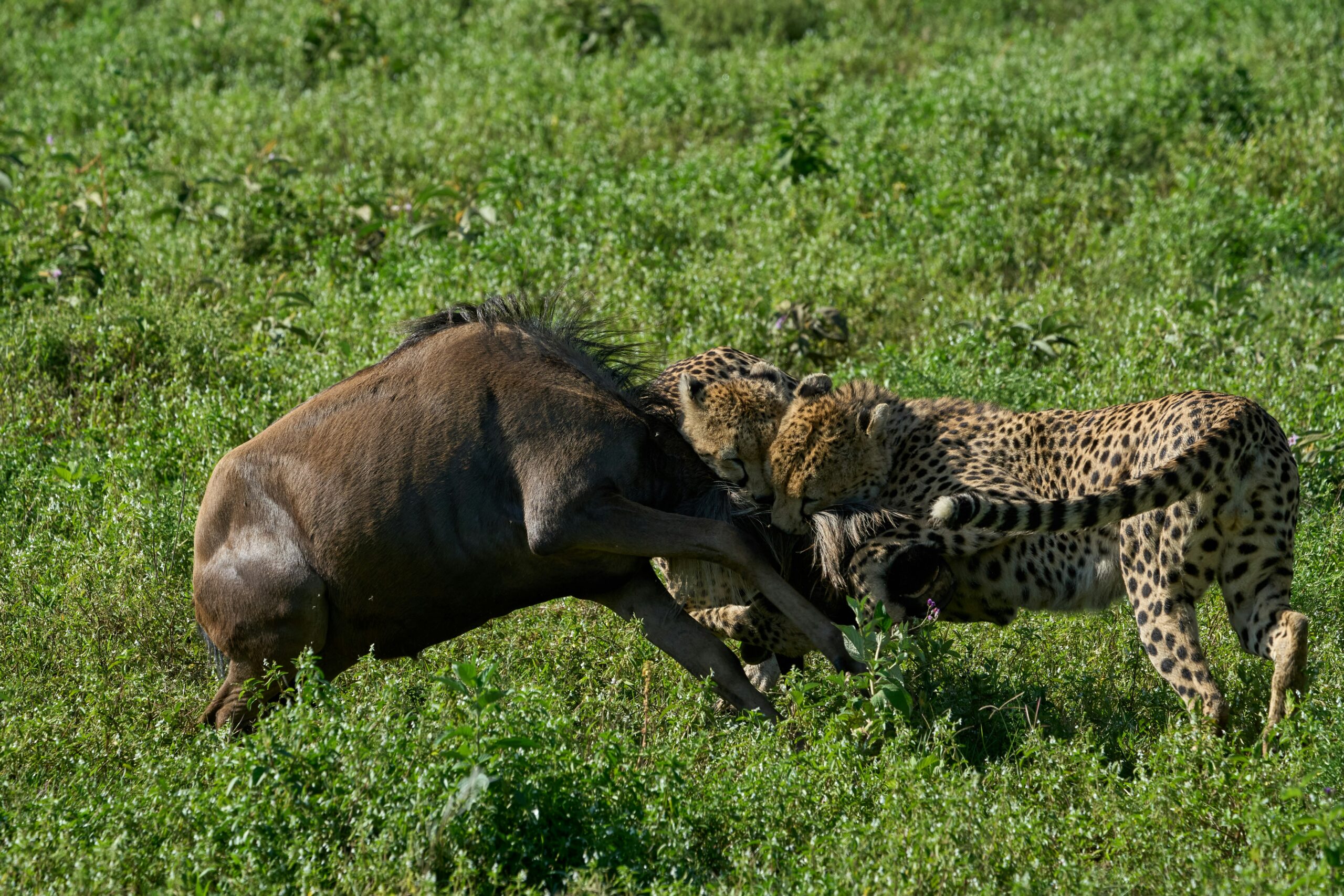
East Africa is widely considered the heart of African safari tourism. The region includes Uganda, Rwanda, Kenya, and Tanzania, all of which share ecosystems, wildlife corridors, and conservation landscapes.
Despite their proximity, each country offers a distinct safari identity. Kenya and Tanzania are famous for classic big game safaris across vast open plains. Uganda and Rwanda are known for primate trekking experiences, especially mountain gorilla trekking and chimpanzee tracking.
This combination of savannah and rainforest ecosystems makes East Africa one of the most complete wildlife destinations in the world.
A well-planned East Africa safari itinerary allows travelers to experience both large mammal spectacles and intimate primate encounters in one journey.
Uganda Safari Overview: Primates and Untamed Wilderness
Uganda is often called the “Pearl of Africa,” and for good reason. It is one of the most biodiverse safari destinations in East Africa, offering rainforests, savannahs, lakes, and mountains within relatively short distances.
The highlight of any Uganda safari is gorilla trekking in Bwindi Impenetrable National Park, home to nearly half of the world’s remaining mountain gorillas. This experience is deeply immersive, requiring hikers to trek through dense rainforest to spend one hour with a habituated gorilla family.
Uganda also offers chimpanzee tracking in Kibale Forest National Park, game drives in Queen Elizabeth National Park, boat safaris along the Kazinga Channel, and powerful Nile experiences in Murchison Falls National Park.
Unlike purely savannah-based destinations, Uganda combines adventure, primate encounters, and classic wildlife viewing in one itinerary.
Rwanda Safari Overview: Luxury and Accessibility
Rwanda is one of Africa’s most refined safari destinations. Known for its cleanliness, safety, and strong conservation policies, Rwanda offers a premium travel experience with a focus on high-end tourism.
The highlight of a Rwanda safari is gorilla trekking in Volcanoes National Park, where visitors hike volcanic slopes to observe mountain gorillas in a lush bamboo forest environment.
Rwanda is also home to golden monkey trekking, scenic lake experiences around Lake Kivu, and wildlife viewing in Akagera National Park, which has reintroduced the Big Five.
One of Rwanda’s biggest advantages is accessibility. Volcanoes National Park is only a few hours’ drive from Kigali, making it one of the most efficient gorilla trekking destinations in Africa.
Rwanda is ideal for travelers seeking luxury, comfort, and shorter travel distances.
Kenya Safari Overview: Classic Big Five Safaris
Kenya is one of the most iconic safari destinations in the world, offering classic African landscapes and legendary wildlife reserves.
The most famous destination is the Masai Mara National Reserve, known for its abundant predators and its role in the Great Migration. During migration season, millions of wildebeest and zebras cross from Tanzania into Kenya in search of fresh grazing.
Other key destinations include Amboseli National Park, known for its elephant herds and views of Mount Kilimanjaro, and Samburu National Reserve, which offers unique northern species.
A Kenya safari is typically vehicle-based, focusing on game drives across open savannahs. It is ideal for first-time safari travelers who want high wildlife visibility and classic African scenery.
Kenya offers strong infrastructure, diverse accommodations, and excellent photographic opportunities.
Tanzania Safari Overview: The Great Migration and Endless Plains
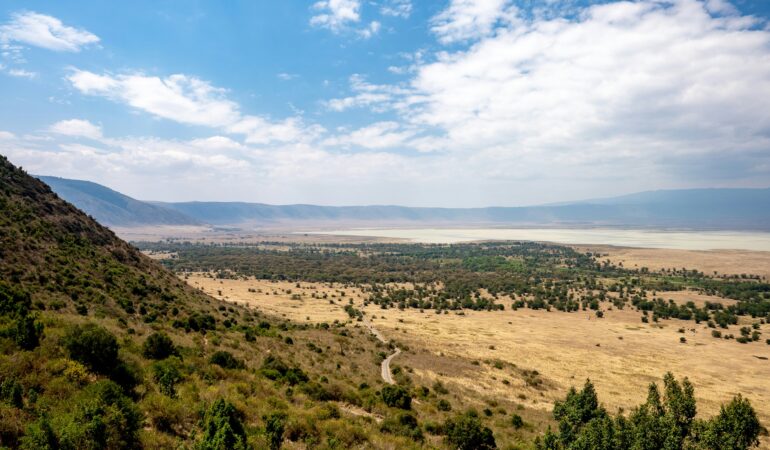
Tanzania is home to some of Africa’s most famous safari landscapes, including the Serengeti National Park and the Ngorongoro Crater.
The Serengeti is the stage for the Great Migration, where over a million wildebeest move across vast plains in search of fresh grass. This natural phenomenon includes dramatic river crossings, predator action, and endless herds stretching to the horizon.
The Ngorongoro Crater, a UNESCO World Heritage Site, offers one of the highest wildlife densities in Africa, with excellent chances of spotting the Big Five in a single day.
Tanzania safaris are known for their scale, scenery, and iconic wildlife moments. The country offers a more traditional safari structure with long game drives, luxury tented camps, and multi-day wildlife circuits.
Key Differences Between Uganda, Rwanda, Kenya, and Tanzania
Each East African country offers a unique safari experience shaped by geography and conservation focus.
Uganda safaris are defined by rainforest trekking and primate encounters, especially Bwindi gorilla trekking safaris. The experience is physically active and immersive.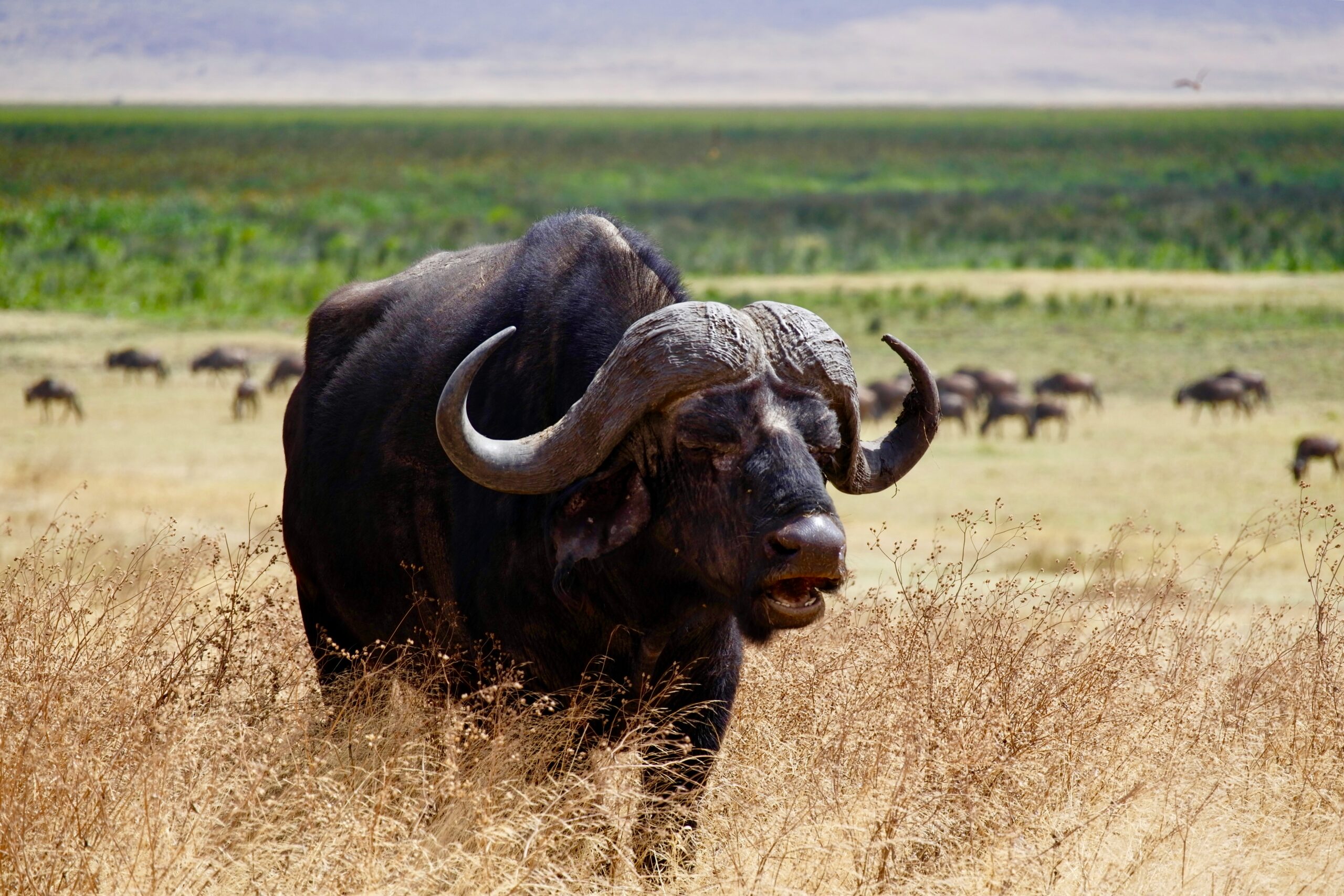
Rwanda safaris focus on luxury, accessibility, and short but high-end gorilla trekking experiences in Volcanoes National Park.
Kenya safaris emphasize classic savannah game drives and predator-rich landscapes, especially in the Masai Mara.
Tanzania safaris offer vast wilderness, large-scale migrations, and iconic landscapes such as the Serengeti and Ngorongoro Crater.
Understanding these differences is essential when planning a multi-country East Africa safari itinerary.
Best Time to Visit East Africa
East Africa is a year-round safari destination, but timing affects wildlife experiences.
The dry seasons (June to October and December to February) are generally considered the best for game viewing. During this time, vegetation is thinner, and animals gather around water sources.
The Great Migration in Tanzania and Kenya is best viewed between July and October for river crossings, while calving season in the Serengeti occurs between January and March.
Gorilla trekking in Uganda and Rwanda is possible year-round, although drier months are often preferred for easier hiking conditions.
Because East Africa spans multiple ecosystems, the “best time” often depends on your priority experiences.
Combining Safari Destinations into One Trip
One of the biggest advantages of East Africa is the ability to combine countries into a single itinerary.
A popular combination includes Tanzania’s Serengeti and Ngorongoro Crater followed by gorilla trekking in Uganda’s Bwindi Impenetrable National Park.
Another option includes Kenya’s Masai Mara combined with Rwanda’s Volcanoes National Park for gorilla trekking.
These combinations allow travelers to experience both savannah wildlife and primate trekking within one journey.
Well-planned logistics, including regional flights and coordinated transfers, make these multi-country safaris increasingly accessible.
Gorilla Trekking as a Highlight of East Africa Safaris
Among all East African experiences, gorilla trekking in Uganda and Rwanda stands out as the most emotional and intimate wildlife encounter.
Unlike game drives where animals are observed from a distance, gorilla trekking allows visitors to spend one hour in close proximity to a habituated gorilla family.
This experience takes place in Bwindi Impenetrable National Park or Volcanoes National Park and involves hiking through dense forest terrain guided by experienced rangers.
For many travelers, gorilla trekking becomes the highlight of their entire African journey.
Accommodation and Safari Styles
East Africa offers a wide range of accommodation options, from luxury lodges to midrange tented camps.
In Kenya and Tanzania, safari lodges are often located within or near national parks, offering panoramic views of savannah landscapes.
In Uganda, lodges near Bwindi and Queen Elizabeth National Park provide forest and lake views with easy access to trekking points.
Rwanda’s lodges focus on high-end luxury experiences near Volcanoes National Park.
Choosing the right accommodation is key to balancing comfort, budget, and proximity to wildlife activities.
Travel Logistics and Planning Considerations
Planning a multi-country East Africa safari requires careful coordination of flights, visas, permits, and travel routes.
Most travelers enter through Nairobi, Kigali, or Entebbe, depending on their itinerary.
Regional flights connect major safari hubs, reducing long overland travel and making it easier to combine countries.
Gorilla trekking permits in Uganda and Rwanda must be booked in advance, as availability is limited.
Working with an experienced safari operator ensures smooth coordination across borders and destinations.
Why Book with Monumental Gorilla Tours
At Monumental Gorilla Tours, we specialize in designing customized East Africa safari itineraries that combine Uganda, Rwanda, Kenya, and Tanzania into seamless travel experiences.
Whether you want to witness the Serengeti Great Migration, track chimpanzees in Kibale Forest, or experience gorilla trekking in Bwindi Impenetrable National Park, we handle every detail from planning to execution.
Our itineraries include expert guides, carefully selected lodges, permit arrangements, and cross-border logistics to ensure a stress-free safari experience.