July 24, 2026
Bwindi Impenetrable Forest: Complete Visitor Guide
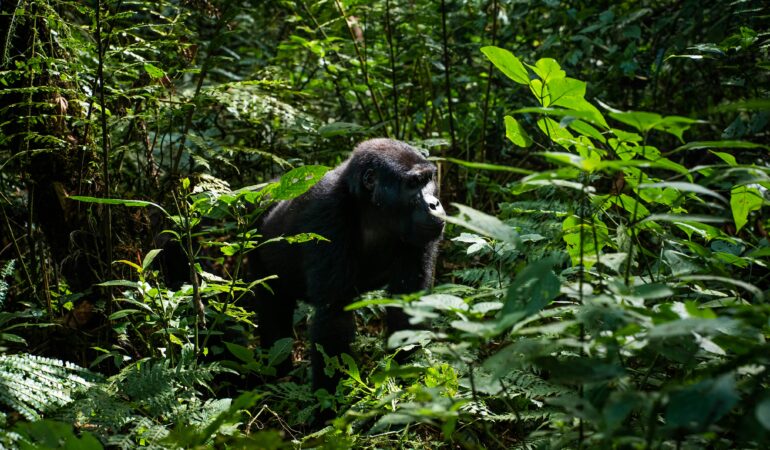
Deep in southwestern Uganda lies one of Africa’s oldest and most biologically rich rainforests. The Bwindi Impenetrable Forest is a UNESCO World Heritage Site and one of the most important conservation areas on the planet. It is globally famous for harboring nearly half of the world’s remaining mountain gorillas, making it one of the most sought-after destinations for wildlife enthusiasts and safari travelers.
Unlike open savannah parks, Bwindi is dense, mist-covered, and rugged, creating a dramatic landscape where ancient trees, tangled vines, and thick undergrowth form a natural fortress. This wilderness environment is what makes gorilla trekking here both challenging and unforgettable.
For travelers planning a Uganda safari, understanding Bwindi is essential, not just as a destination but as a complete ecosystem that blends wildlife, culture, conservation, and adventure into one experience.
Understanding Bwindi Impenetrable Forest
The Bwindi Impenetrable Forest is located on the edge of the Albertine Rift in southwestern Uganda, bordering the Democratic Republic of Congo and close to Rwanda. The forest covers over 321 square kilometers and sits at an elevation ranging between 1,160 and 2,607 meters above sea level.
Its name “impenetrable” reflects the dense vegetation, steep terrain, and thick undergrowth that historically made it extremely difficult to traverse. Today, carefully developed trekking routes and conservation management allow visitors to explore its depths under the guidance of experienced rangers.
Bwindi is not just a gorilla sanctuary. It is one of the most biodiverse ecosystems in East Africa, home to over 120 mammal species, more than 350 bird species, and hundreds of plant varieties, many of which are endemic to the Albertine Rift region.
The Uniqueness of Bwindi’s Mountain Gorillas
The highlight of any visit to the Bwindi Impenetrable Forest is the opportunity to encounter endangered mountain gorillas in their natural habitat. Bwindi is home to more than 20 habituated gorilla families, spread across different trekking sectors of the park.
These gorillas share approximately 98% of their DNA with humans, making every encounter deeply emotional and biologically significant. Watching a silverback calmly supervise his family, juveniles play in the forest, or mothers nurture their infants is an experience that leaves a lasting impression on visitors.
Gorilla trekking in Bwindi is strictly regulated to ensure conservation. Only a limited number of permits are issued daily, and each group of tourists is allowed to spend one hour with a habituated gorilla family once they are located.
At Monumental Gorilla Tours, we organize guided gorilla trekking safaris in Bwindi, ensuring that travelers secure permits, experienced guides, and well-planned itineraries for a seamless experience.
Gorilla Trekking Experience in Bwindi
Gorilla trekking in the Bwindi Impenetrable Forest begins early in the morning with a briefing at designated park headquarters such as Buhoma, Ruhija, Rushaga, or Nkuringo. Visitors are assigned gorilla families based on fitness level, preference, and permit allocation.
The trek itself varies depending on gorilla movement. Some groups are located within an hour, while others require several hours of hiking through steep and muddy terrain. Rangers and trackers lead the way, using fresh signs such as nests, dung, and broken vegetation to locate the gorillas.
Once the gorilla family is found, visitors spend a magical hour observing their behavior. This time is carefully managed to minimize disturbance while allowing for meaningful wildlife interaction.
The experience is physically demanding but emotionally rewarding, often described as one of the most powerful wildlife encounters in Africa.
Biodiversity Beyond Gorillas
Although gorillas are the main attraction, the Bwindi Impenetrable Forest is a complete ecological system that supports extraordinary biodiversity.
The forest is home to forest elephants, duikers, chimpanzees (rarely seen), and several species of monkeys including L’Hoest’s monkeys and black-and-white colobus monkeys. Birdlife is equally impressive, with species such as the African green broadbill, hornbills, and numerous Albertine Rift endemics attracting birdwatchers from around the world.
The forest floor is equally rich, with orchids, medicinal plants, ferns, and ancient trees that form a complex ecological web supporting both wildlife and local communities.
The Four Gorilla Trekking Sectors
The Bwindi Impenetrable Forest is divided into four major trekking sectors, each offering a unique experience.
The Buhoma sector in the north is the most established and offers relatively moderate trekking conditions with a variety of accommodation options. The Ruhija sector is located at higher altitude, providing cooler temperatures and scenic ridge views. Rushaga in the south is known for having a large number of habituated gorilla families and is also the only sector offering gorilla habituation experiences. Nkuringo, also in the south, is considered the most challenging but offers dramatic landscapes and fewer crowds.
Each sector provides a different perspective of Bwindi, and choosing the right one often depends on fitness level, accommodation preference, and permit availability.
Access and Location of Bwindi
The Bwindi Impenetrable Forest is accessible by both road and air. By road, the journey from Kampala or Entebbe takes approximately 8 to 10 hours, passing through Uganda’s scenic countryside, terraced hills, and traditional villages. Many travelers prefer to break the journey with overnight stops in areas such as Lake Mburo National Park or Queen Elizabeth National Park.
For a faster and more comfortable option, domestic flights operate from Entebbe International Airport to nearby airstrips such as Kihihi and Kisoro. From these airstrips, travelers continue by road transfer to their respective lodge or trekking sector.
At Monumental Gorilla Tours, we organize both road and fly-in safaris depending on traveler preferences and itinerary duration.
Best Time to Visit Bwindi
The Bwindi Impenetrable Forest is open for gorilla trekking throughout the year, but the dry seasons from June to September and December to February are generally considered the best times for easier trekking conditions.
During these months, trails are less muddy, and visibility in the forest is improved. However, Bwindi is a rainforest, meaning rain can occur at any time of year.
The wet seasons from March to May and October to November offer fewer tourists and lush green scenery, although trekking conditions can be more challenging due to slippery trails.
Accommodation Around Bwindi
Bwindi offers a wide range of accommodation options, from luxury eco-lodges to midrange forest retreats, all designed to blend with the natural environment.
Lodges near Buhoma provide convenient access to trekking starting points, while Rushaga and Nkuringo offer more secluded and immersive forest stays. Ruhija is ideal for travelers seeking quieter surroundings with panoramic views.
Most lodges offer early morning breakfast, packed lunches, and transfer arrangements to park headquarters. Staying close to your trekking sector is highly recommended for convenience and reduced travel time.
Cultural Encounters Around Bwindi
Beyond wildlife, the Bwindi Impenetrable Forest region is home to vibrant communities, including the Batwa people, who are among the indigenous forest dwellers of the region.
Cultural visits provide insight into traditional forest life, storytelling, music, and hunting practices that once defined survival in Bwindi. These experiences also support community-based tourism initiatives that directly benefit local populations.
Visitors can also explore local craft markets, community walks, and traditional performances that enrich the overall safari experience.
Conservation and Protection of Bwindi
Bwindi is a conservation success story. Once threatened by poaching and habitat loss, the forest has become a global model for sustainable wildlife protection.
Revenue from gorilla trekking permits directly supports conservation programs, ranger salaries, community development, and habitat protection. Local communities are actively involved in conservation initiatives, ensuring that wildlife protection and human livelihoods coexist.
The survival of mountain gorillas in Bwindi is one of the greatest conservation achievements in modern Africa, and every visitor plays a role in sustaining this success.
What to Expect on a Bwindi Safari
A visit to the Bwindi Impenetrable Forest is physically active, emotionally engaging, and deeply immersive. Expect early mornings, forest hikes, unpredictable weather, and close encounters with wildlife in their natural environment.
The terrain can be steep and muddy, requiring moderate fitness levels, but porters are available to assist with carrying bags and providing support during difficult sections of the trek.
The moment of encountering gorillas is often described as life-changing, offering a rare connection between humans and wildlife in one of the last remaining mountain gorilla habitats on earth.
Why Choose Monumental Gorilla Tours
Planning a safari to the Bwindi Impenetrable Forest requires careful coordination of permits, accommodation, transport, and guiding services. At Monumental Gorilla Tours, we specialize in creating seamless gorilla trekking experiences tailored to individual travelers, groups, and luxury safari seekers.
Our team handles every detail from arrival to departure, ensuring that your focus remains on the experience rather than logistics. Whether you are planning a short gorilla trekking trip or a combined Uganda safari, we design itineraries that maximize your time in the forest.
Visit Monumental Gorilla tours to explore customized Bwindi gorilla trekking packages.