July 27, 2026
Batwa Cultural Experience Mgahinga: Indigenous Forest Peoples
Discover the Rich Heritage of the Batwa People in Mgahinga
While Mgahinga Gorilla National Park is internationally known for mountain gorilla trekking and golden monkey tracking, it also offers one of Uganda’s most meaningful cultural experiences. The Batwa Cultural Experience Mgahinga introduces visitors to the remarkable history, traditions, and survival skills of the Batwa, an Indigenous community that lived in the forests of the Virunga Mountains for thousands of years.
Often referred to as the “Keepers of the Forest,” the Batwa depended entirely on the forest for food, medicine, shelter, and spiritual practices long before the area became a protected national park. Today, the Batwa Cultural Experience gives visitors an opportunity to learn directly from Batwa guides who share their ancestral knowledge while preserving a unique cultural heritage that might otherwise be lost.
For travelers seeking more than wildlife viewing, this experience adds an important human dimension to a safari in southwestern Uganda. At Monumental Gorilla Tours, we encourage visitors to include this cultural activity alongside gorilla trekking, golden monkey tracking, and volcano hiking to gain a deeper understanding of the people and landscapes that make Mgahinga so special.
Who Are the Batwa People?
The Batwa people are among the oldest Indigenous communities in Central Africa. For generations, they lived as hunter-gatherers in the dense forests stretching across present-day Uganda, Rwanda, Burundi, and the Democratic Republic of Congo. Their identity, culture, and way of life were closely connected to the forest, which provided everything they needed for survival.
Within the Virunga region, the Batwa occupied what is now Mgahinga Gorilla National Park. They hunted small animals using traditional bows and arrows, gathered wild fruits and edible plants, harvested honey, collected medicinal herbs, and built temporary shelters using natural materials found in the forest. Every aspect of their daily lives reflected a profound understanding of the environment and a deep respect for nature.
The forest was not simply a source of food and shelter. It was central to the Batwa’s spiritual beliefs, ceremonies, and cultural identity. Sacred sites, caves, and ancient trees held religious significance, while oral traditions passed knowledge from one generation to the next.
The Creation of Mgahinga Gorilla National Park
The story of the Batwa Cultural Experience Mgahinga cannot be understood without recognizing the establishment of Mgahinga Gorilla National Park.
In 1991, the Ugandan government gazetted the area as a national park to protect its exceptional biodiversity, including the endangered mountain gorillas and golden monkeys that inhabit the Virunga ecosystem. While this conservation effort has played a vital role in protecting wildlife, it also brought significant changes for the Batwa community.
The Batwa were relocated from their ancestral forest without formal land ownership or adequate compensation. Having depended entirely on the forest for countless generations, many families faced considerable challenges adapting to life outside their traditional homeland. The transition affected their livelihoods, cultural practices, and access to the resources that had sustained them for centuries.
Today, the Batwa Cultural Experience serves as both a cultural preservation initiative and a source of sustainable income. Through responsible tourism, Batwa guides share their history while helping ensure that traditional knowledge continues to be passed on to future generations.
What Is the Batwa Cultural Experience?
The Batwa Cultural Experience Mgahinga is an immersive guided tour led by members of the Batwa community. Rather than observing culture from a distance, visitors walk alongside Batwa guides through sections of the forest while learning about traditional survival techniques, hunting methods, medicinal plants, music, dance, storytelling, and spiritual beliefs.
The experience is carefully designed to be educational, respectful, and authentic. Visitors hear personal stories about life in the forest before conservation areas were established, providing valuable insight into one of Africa’s oldest Indigenous cultures.
Unlike museum exhibits or staged performances, the Batwa Cultural Experience allows travelers to engage directly with community members whose knowledge comes from lived experience and generations of oral tradition.
Walking Through the Ancient Forest
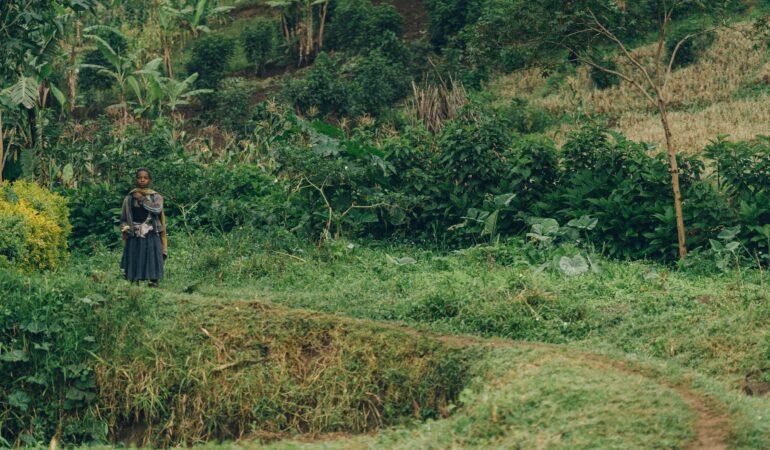
One of the highlights of the experience is the guided forest walk, where Batwa elders and guides demonstrate how they once lived entirely within the forest ecosystem.
As visitors move through the vegetation, guides explain how different tree species provided building materials, how vines supplied drinking water, and how edible plants were identified throughout the seasons. They also describe the importance of sustainable resource use, emphasizing that every plant and animal played a role in maintaining the health of the forest.
The walk provides a fascinating perspective on how Indigenous knowledge allowed the Batwa to thrive in an environment that many modern visitors would find challenging to survive.
Traditional Hunting and Survival Skills
During the Batwa Cultural Experience Mgahinga, visitors learn about the traditional hunting techniques that once supported Batwa families. Guides demonstrate how bows and arrows were crafted using locally available materials and explain the methods used to track small animals while respecting seasonal wildlife patterns.
Rather than focusing on hunting itself, the demonstrations highlight the remarkable skills required to survive without modern technology. Visitors also discover how traps were constructed, how fire was created using natural materials, and how shelters were built quickly using branches, leaves, and grasses collected from the surrounding forest.
These demonstrations reveal a sophisticated understanding of the natural environment that developed over thousands of years.
Medicinal Plants and Indigenous Knowledge
One of the most educational aspects of the experience is learning about traditional herbal medicine. The Batwa possess extensive knowledge of medicinal plants that were used to treat illnesses, injuries, and common health conditions long before modern healthcare became available.
As guides identify different plant species, they explain how roots, bark, leaves, and flowers were prepared to create natural remedies. Many of these plants continue to be recognized for their medicinal value today, highlighting the importance of preserving Indigenous knowledge alongside biodiversity conservation.
Visitors often leave with a greater appreciation for the relationship between traditional communities and the ecosystems they have protected for generations.
The Sacred Garama Cave
A visit to Garama Cave is among the most memorable parts of the Batwa Cultural Experience Mgahinga. This large lava cave served as an important refuge and ceremonial site for the Batwa people during their years living in the forest.
Batwa guides recount stories of community gatherings, traditional ceremonies, and leadership meetings that once took place within the cave. They also perform songs and storytelling sessions that reflect the rich oral traditions of their ancestors.
The cave’s natural acoustics create a powerful atmosphere, allowing visitors to imagine what life was like when the Batwa still called the forest their permanent home.
Batwa Music, Dance, and Storytelling
Culture is expressed not only through history but also through music, dance, and storytelling. Throughout the experience, visitors are introduced to traditional Batwa songs accompanied by rhythmic dancing that celebrates community life, hunting success, seasonal changes, and important cultural events.
The performances are vibrant and engaging while remaining deeply connected to Batwa identity. Storytelling also plays a central role, preserving historical events, moral lessons, and spiritual beliefs that have been transmitted orally for generations.
Participating in these cultural performances offers visitors an opportunity to appreciate the resilience and creativity of a community determined to preserve its heritage.
Why the Batwa Cultural Experience Matters
The Batwa Cultural Experience Mgahinga represents far more than a tourist attraction. It serves as an important platform for cultural preservation, education, and community empowerment.
Tourism revenue generated through the experience supports Batwa families by creating employment opportunities for guides, performers, artisans, and community members. This income contributes to education, healthcare, and livelihood development while encouraging younger generations to value and preserve their cultural heritage.
For visitors, participating in the experience provides a more complete understanding of conservation. It demonstrates that protecting wildlife also involves recognizing the history and rights of the people who lived alongside these ecosystems for centuries.
Combining the Experience with Gorilla Trekking
Many travelers combine the Batwa Cultural Experience Mgahinga with gorilla trekking in Mgahinga Gorilla National Park. This combination creates a rewarding itinerary that highlights both the region’s exceptional wildlife and its rich cultural heritage.
After spending time observing the famous Nyakagezi Gorilla Family, visitors gain a deeper appreciation for the forest by learning how the Batwa once shared the same environment with mountain gorillas, golden monkeys, and countless other species.
The contrast between wildlife conservation and Indigenous history provides a balanced perspective on the importance of protecting both natural and cultural heritage.
Other Activities to Enjoy in Mgahinga
While the Batwa Cultural Experience is a highlight of any visit, Mgahinga Gorilla National Park offers several other activities that complement the cultural tour.
Golden monkey tracking allows visitors to observe another endangered primate found only within the Virunga Mountains, while volcano hiking on Mount Gahinga, Mount Muhabura, or Mount Sabyinyo provides breathtaking views across Uganda, Rwanda, and the Democratic Republic of Congo.
Birdwatchers also appreciate Mgahinga’s rich diversity, with more than 180 recorded bird species inhabiting its forests and volcanic slopes.
Combining several activities allows travelers to experience the park’s exceptional biodiversity alongside its cultural significance.
Best Time to Visit
The Batwa Cultural Experience Mgahinga is available throughout the year, although weather conditions vary between seasons.
The dry months from June to September and December to February generally offer the most comfortable conditions for walking through the forest. Trails are drier, making the experience easier for visitors of all fitness levels.
The rainy seasons between March and May and October to November transform the landscape into a lush green environment. While occasional rainfall may occur, these months often provide a quieter visitor experience and beautiful scenery for photography.
Since the activity is not dependent on wildlife movements, it can be enjoyed successfully during any season.
Accommodation Near Mgahinga Gorilla National Park
Travelers visiting Mgahinga have access to a range of high-quality accommodation options. Luxury visitors often choose Mount Gahinga Lodge, which combines elegant cottages with outstanding hospitality and exceptional views of the Virunga Volcanoes.
Mid-range travelers can enjoy comfortable stays at Ichumbi Gorilla Lodge, Lake Mulehe Safari Lodge, or Travelers Rest Hotel in Kisoro. These properties provide convenient access to the park while offering excellent service and comfortable facilities after a day of exploration.
Choosing accommodation near the park allows visitors to combine multiple activities without lengthy daily transfers.
How to Reach Mgahinga Gorilla National Park
Mgahinga Gorilla National Park is located in Kisoro District in southwestern Uganda, approximately 500 kilometers from Kampala. Most visitors travel by road through Kabale before continuing to Kisoro, enjoying scenic views of rolling hills, terraced farms, and picturesque villages along the journey.
Domestic flights from Entebbe International Airport to Kisoro Airstrip provide a faster alternative for travelers with limited time. The short transfer from the airstrip to the park headquarters makes flying an increasingly popular option for luxury safaris.
Experience Batwa Culture with Monumental Gorilla Tours
The Batwa Cultural Experience Mgahinga offers an inspiring opportunity to connect with one of Africa’s oldest Indigenous communities while supporting responsible tourism and cultural preservation. Beyond learning about traditional forest life, visitors gain valuable insight into the relationship between people, wildlife, and conservation within the Virunga Mountains.
At Monumental Gorilla Tours, we create personalized Uganda safaris that combine meaningful cultural encounters with unforgettable wildlife experiences. Whether you wish to include gorilla trekking, golden monkey tracking, volcano hiking, or community visits, our experienced team will design an itinerary that reflects your interests while ensuring a seamless travel experience.
Visit Monumental Gorilla Tours to explore our Uganda safari packages, discover more travel guides, and begin planning your journey to experience the remarkable heritage of the Batwa people in Mgahinga Gorilla National Park.