July 29, 2026
Amboseli National Park: Elephants and Kilimanjaro Views
Few safari destinations in Africa deliver such an instantly recognizable and emotionally powerful landscape as Amboseli National Park. Set in southern Kenya near the Tanzanian border, this compact but ecologically rich park is globally known for two defining features: its large, free-ranging elephant herds and its dramatic backdrop of Mount Kilimanjaro, Africa’s highest peak.
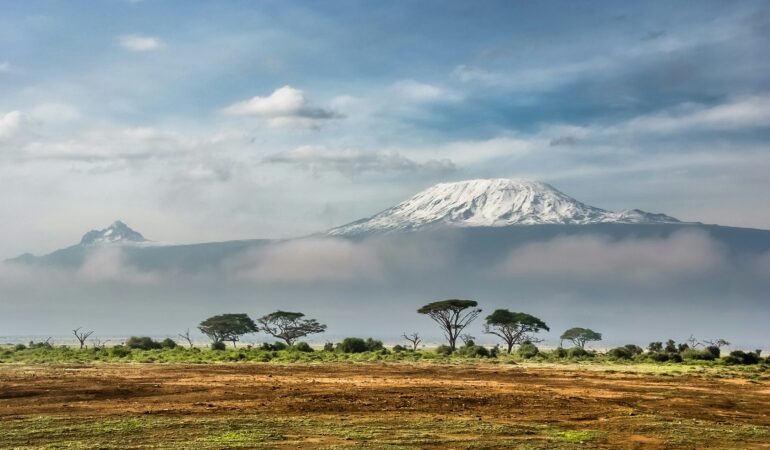
Amboseli is not a park that relies on variety alone. Instead, it is a destination defined by composition—wide open plains, seasonal wetlands, acacia woodlands, and distant volcanic horizons that create one of the most photographed safari scenes in the world. Here, elephants move slowly across the plains with snow-capped Kilimanjaro rising behind them, forming images that have become symbolic of African wildlife conservation.
For travelers exploring Kenya safari parks or planning a broader East Africa safari, Amboseli offers a highly rewarding contrast to forest and river-based ecosystems found in Uganda or Rwanda. It is open, accessible, and visually striking, making it a must-visit destination for photographers, first-time safari travelers, and returning Africa enthusiasts.
At Monumental Gorilla Tours, we often recommend Amboseli as part of a combined Kenya–Uganda safari itinerary, especially for travelers who want to experience both mountain gorillas in Uganda and classic savannah landscapes in Kenya.
The Landscape of Amboseli National Park
The geography of Amboseli National Park is shaped by ancient volcanic activity beneath Mount Kilimanjaro. Although the mountain itself lies in Tanzania, its northern slopes extend into Kenya’s Amboseli ecosystem, creating fertile underground water channels that feed the park’s wetlands.
This hidden water system is what sustains Amboseli’s iconic marshes. Even during dry seasons, green swamp areas remain active, attracting elephants, buffaloes, hippos, and numerous bird species. These permanent wetlands contrast sharply with the surrounding semi-arid plains, creating a striking ecological balance within a relatively small protected area.
The park’s flat terrain also enhances visibility, allowing uninterrupted views of wildlife across long distances. Unlike more forested safari destinations, Amboseli provides a sense of openness that makes wildlife encounters feel cinematic and immediate. The distant silhouette of Kilimanjaro completes the visual experience, especially at sunrise and sunset when light conditions are at their most dramatic.
Elephants of Amboseli: Africa’s Most Studied Herds
The elephants of Amboseli elephants are among the most famous and well-studied in the world. Decades of research by conservation organizations have allowed scientists to document generations of family groups, tracking their behavior, movement patterns, and social structures in detail.
These elephants are particularly known for their impressive tusks and calm behavior in the presence of vehicles. Large matriarchal herds frequently move across the open plains, often leading younger elephants toward the swamp areas where water and vegetation are abundant.
What makes Amboseli’s elephant population especially remarkable is the long-term conservation success story it represents. Once heavily threatened by poaching, the population has recovered significantly due to strong protection efforts and community-based conservation initiatives. Today, Amboseli stands as one of the best places in Africa to observe elephants in their natural, undisturbed environment.
Photographers often describe elephant encounters in Amboseli as exceptionally rewarding because of the clarity of sightlines. With Kilimanjaro often visible in the background, even simple moments such as elephants walking through marshes become visually extraordinary.
Mount Kilimanjaro Views: The Iconic Backdrop of Amboseli
One of the most defining features of Mount Kilimanjaro views from Amboseli is the mountain’s dramatic presence on clear mornings and evenings. Although Kilimanjaro’s summit lies in Tanzania, its most iconic photographic perspectives are often captured from Kenya’s Amboseli side.
The mountain’s snow-capped peak rises above clouds that frequently gather around its midsection, creating a layered visual effect that changes throughout the day. Early morning is considered the best time to view Kilimanjaro clearly, as atmospheric conditions are typically calmer and skies are clearer.
This iconic backdrop transforms wildlife photography into something far more powerful than simple animal documentation. Elephants walking across dusty plains beneath Africa’s highest mountain create one of the continent’s most recognizable safari scenes.
For travelers combining Kenya with Uganda gorilla trekking, Kilimanjaro offers a contrasting visual memory to the dense rainforests of Bwindi Impenetrable National Park, where mist replaces open horizons and gorillas replace elephants as the central focus.
Wildlife in Amboseli National Park
Although elephants dominate the visual identity of Amboseli, the park supports a rich variety of wildlife species adapted to its unique wetland-savannah ecosystem.
Large herbivores such as buffaloes, giraffes, zebras, wildebeests, and impalas are commonly seen across the plains. Predators including lions, hyenas, cheetahs, and occasionally leopards also inhabit the ecosystem, although they are more elusive due to the park’s open terrain.
The wetland areas attract hippos and a wide range of bird species, while smaller mammals such as jackals, warthogs, and mongooses contribute to the park’s ecological balance.
Birdwatching in Amboseli is particularly rewarding, with more than 400 recorded species. Flamingos, pelicans, crowned cranes, herons, kingfishers, and raptors are frequently observed around water sources, especially during wetter months.
This combination of large mammals and birdlife makes Amboseli one of the most balanced and visually rewarding East Africa safari destinations.
Cultural Experiences Around Amboseli
The landscape surrounding Amboseli National Park is home to Maasai communities whose cultural heritage is deeply intertwined with the land and its wildlife.
Visitors often engage in cultural experiences that include guided visits to Maasai villages, traditional dance performances, and storytelling sessions that explain Maasai customs, pastoral practices, and spiritual connections to cattle and wildlife.
These interactions offer a meaningful perspective on how local communities coexist with wildlife conservation areas. Many Maasai families participate in eco-tourism initiatives that help support conservation while providing sustainable livelihoods.
For travelers extending their safari into Uganda, these cultural experiences complement encounters with Batwa communities near Bwindi, offering a broader understanding of East Africa’s indigenous cultures.
Best Time to Visit Amboseli National Park
The experience of visiting Amboseli National Park varies throughout the year, but the dry seasons are generally considered the most favorable for wildlife viewing and photography.
From June to October and January to February, vegetation is thinner, wildlife gathers around water sources, and visibility across the plains is excellent. These conditions significantly improve chances of seeing large elephant herds with Kilimanjaro in the background.
During the rainy seasons, the park becomes greener and more vibrant, attracting migratory birds and creating lush landscapes. However, cloud cover around Kilimanjaro is more frequent, which can reduce visibility of the mountain peak.
Despite seasonal variations, Amboseli remains a year-round safari destination, with each period offering a distinct visual experience.
How to Combine Amboseli with a Uganda Gorilla Safari
One of the most rewarding East African travel combinations is linking Amboseli National Park with Uganda Gorilla Trekking in Bwindi Impenetrable National Park.
The journey typically begins in Nairobi, where travelers visit Amboseli before flying or driving to Uganda. From Entebbe, the safari continues by road or domestic flight toward southwestern Uganda for gorilla trekking.
This combination creates a powerful contrast between two very different ecosystems. Amboseli offers wide, open savannah landscapes filled with elephants and big skies, while Bwindi provides dense rainforest encounters with endangered mountain gorillas.
Adding destinations such as Queen Elizabeth National Park, Lake Mburo National Park, or Kibale National Park further enhances the itinerary, allowing travelers to experience both savannah wildlife and primate-rich forests within a single journey.
At Monumental Gorilla Tours, we specialize in designing these multi-country itineraries, ensuring seamless transitions between Kenya and Uganda while maximizing time in each destination.
Photography in Amboseli National Park
For wildlife photographers, Amboseli National Park is one of Africa’s most productive and visually consistent locations.
The combination of predictable elephant movements, open landscapes, and Kilimanjaro’s presence creates ideal conditions for storytelling photography. Early morning light enhances silhouettes, while late afternoon golden light adds depth and warmth to wildlife scenes.
Unlike forest-based photography in Uganda, Amboseli allows for long-distance compositions where wildlife interacts naturally within vast landscapes. This makes it particularly appealing for landscape photographers seeking dramatic African imagery.
Accommodation Options in Amboseli
Accommodation around Amboseli National Park ranges from luxury lodges to intimate tented camps, many of which are strategically positioned to maximize Kilimanjaro views.
Lodges often feature elevated decks, open-air dining areas, and direct views of wildlife corridors. Some properties are located near swamp areas, allowing guests to observe elephants and other wildlife directly from their rooms.
This immersive lodge experience enhances the overall safari, ensuring that wildlife viewing continues even outside scheduled game drives.
Why Amboseli Belongs on Your East Africa Safari
Amboseli is not simply a stopover destination; it is a foundational safari experience that captures the essence of Africa’s natural beauty. The combination of elephants, open plains, Maasai culture, and Kilimanjaro views creates a timeless safari setting that complements the dense forests and mountainous landscapes of Uganda.
When paired with Uganda Gorilla Trekking, Amboseli becomes part of a broader East African narrative that showcases both scale and intimacy—vast savannahs on one hand and close-up primate encounters on the other.
This balance is what makes multi-country safaris across Kenya and Uganda so rewarding.
Plan Your Amboseli and Uganda Safari with Monumental Gorilla Tours
At Monumental Gorilla Tours, we design personalized East African safaris that connect Kenya’s most iconic destinations with Uganda’s most unforgettable wildlife experiences.
Whether you want to witness elephants beneath Kilimanjaro, track mountain gorillas in Bwindi, or combine multiple national parks across both countries, our team ensures every detail is carefully arranged—from transport and accommodation to permits and guided experiences.
Explore our tailor-made safari packages at Monumental Gorilla Tours and begin planning your journey across two of Africa’s most remarkable wildlife destinations.