July 31, 2026
Is Uganda Safe? Traveler Safety Guide
The question “Is Uganda safe?” is one of the most common concerns among international travelers planning an East Africa safari. It is a fair and important question, especially for first-time visitors who are considering gorilla trekking, wildlife safaris, and city experiences in a destination that is still relatively less commercialized than some other African countries.
The short answer is that Uganda is generally safe for tourists, particularly when traveling with organized safari operators and following standard travel precautions. In fact, Uganda has become one of East Africa’s most rewarding safari destinations, known for its mountain gorillas, diverse national parks, and warm hospitality. However, like any country, safety depends on awareness, preparation, and responsible travel behavior.
This Uganda travel safety guide provides a realistic and balanced view of what travelers can expect in cities, national parks, transport routes, and gorilla trekking environments.
Understanding Safety in Uganda
Safety in Uganda is best understood in layers rather than as a single condition. Tourist areas such as national parks, safari lodges, and organized tour routes are generally well-managed and secure. The government prioritizes tourism safety, especially in key destinations like Bwindi Impenetrable National Park, Queen Elizabeth National Park, Murchison Falls National Park, and Kibale Forest.
Urban areas such as Kampala and Entebbe are active and busy cities where millions of people live and work daily. These areas are safe for tourists who follow normal city precautions, just as they would in any major city around the world.
When discussing safari safety in Uganda, it is important to distinguish between controlled tourism environments and general urban movement. Most safety concerns for travelers are not related to wildlife or organized safari experiences, but rather to general urban awareness, transport choices, and personal precautions.
Is Kampala Safe for Tourists?
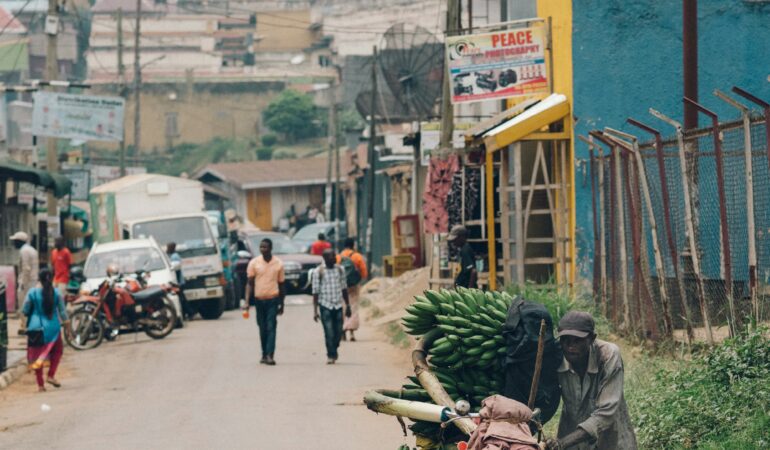
The question is Kampala safe for tourists often comes up because the capital city is the main entry point for most travelers. Kampala is a vibrant and densely populated city with active business districts, markets, and nightlife areas.
For tourists, Kampala is generally safe during the day, especially in central neighborhoods such as Kololo, Nakasero, and Bugolobi. These areas host hotels, embassies, and restaurants frequently used by international visitors. Most safari travelers pass through Kampala briefly before heading to national parks or use it as a rest stop at the beginning or end of their itinerary.
Like any large city, petty crimes such as pickpocketing can occur in crowded areas, which is why standard precautions are advised. Using trusted transport services, avoiding isolated streets at night, and keeping valuables secure are practical steps that significantly reduce risk.
Most safari operators, including Monumental Gorilla Tours, arrange city transfers and hotel pickups to ensure a smooth and safe experience within Kampala.
Safety in Entebbe and Airport Areas
Entebbe, home to Uganda’s international airport, is considered one of the more relaxed and secure towns in the country. The presence of government institutions and tourism infrastructure contributes to a stable environment.
Travelers arriving at Entebbe International Airport are usually met by pre-arranged drivers or hotel representatives, which adds a strong layer of safety right from arrival. The journey from Entebbe to Kampala is well-traveled and commonly used by tourists, with reliable transfer services operating throughout the day and night.
Most safety concerns in this area are related to transport organization rather than security risks, which is why pre-booked airport transfers are highly recommended for all international visitors.
Safety on Uganda Safaris and National Parks
One of the most reassuring aspects of gorilla trekking safety Uganda and wildlife safaris is that national parks are among the safest travel environments in the country. Uganda Wildlife Authority manages all major parks, with trained rangers, armed escorts where necessary, and strict visitor regulations.
During gorilla trekking in Bwindi or Mgahinga, visitors are always accompanied by experienced guides and ranger teams. Trekking groups follow structured routes, and safety briefings are provided before entering the forest. The presence of gorillas does not pose danger when proper guidelines are followed, as these animals are habituated to human presence under controlled conditions.
Similarly, game drives in parks like Queen Elizabeth and Murchison Falls are conducted in safe, designated areas. Wildlife viewing is done from vehicles under the supervision of guides who understand animal behavior and park safety protocols.
In practical terms, safari environments in Uganda are often safer than independent travel in unfamiliar urban areas because they are structured, guided, and monitored.
Road Travel and Transport Safety
Transport is one of the most important aspects of Uganda for tourists safety. Road conditions vary depending on region, with major highways between Kampala, Entebbe, and key towns being relatively well-maintained. However, travel times can be long due to distance and traffic conditions.
For safari travelers, the safest and most reliable option is private guided transport arranged through licensed operators. These vehicles are driven by experienced safari drivers who understand road conditions, wildlife zones, and safe travel practices.
Self-driving is possible but not commonly recommended for first-time visitors, particularly for long-distance safari routes that pass through rural and park regions.
Night travel outside urban centers is generally avoided in safari planning due to visibility and road condition factors. Most itineraries are designed with daylight travel schedules to ensure comfort and safety.
Health and Medical Safety in Uganda
Health safety is an important consideration for travelers. Uganda is a tropical destination, and standard travel vaccinations are recommended before arrival. Malaria prevention is also advised, especially when visiting national parks or rural areas.
Drinking bottled or filtered water is recommended throughout the trip, and most safari lodges provide safe drinking water for guests. Food hygiene in established hotels and lodges is generally good, particularly within tourism-focused facilities.
Medical facilities are available in Kampala and Entebbe, with smaller clinics located near major towns. Safari operators typically include emergency response protocols as part of travel planning, ensuring that support is available if needed.
Wildlife Safety and Gorilla Trekking Experience
One of the highlights of Uganda is gorilla trekking, and safety is a key part of this experience. Mountain gorillas are wild animals but are habituated to human presence in controlled groups. Trekkers are always instructed to maintain a safe distance, avoid sudden movements, and follow ranger guidance at all times.
The gorilla trekking safety Uganda system is one of the most structured wildlife interaction models in Africa. Group sizes are limited, trekking durations are controlled, and health regulations are strictly enforced to protect both visitors and gorillas.
Other wildlife encounters in Uganda’s savannah parks follow similar safety systems, with trained guides ensuring that visitors remain at safe distances from animals at all times.
General Travel Behavior and Safety Tips
Safe travel in Uganda is largely about awareness and responsible behavior. Keeping personal belongings secure, using official transport, and following guide instructions are key practices that enhance safety throughout the journey.
Most travelers find Uganda welcoming, friendly, and easy to navigate when traveling with a structured itinerary. Locals are generally hospitable, and tourism is an important part of the country’s economy, which contributes to positive visitor experiences.
Why Uganda Is Considered a Safe Safari Destination
Uganda’s tourism industry is built around guided travel experiences, particularly safaris and gorilla trekking, which naturally include structured safety systems. National parks are protected environments, and tourism routes are well-established.
The combination of professional guiding, government park management, and growing tourism infrastructure has made Uganda one of East Africa’s most reliable safari destinations. While no destination is entirely risk-free, Uganda’s tourism zones are well-organized and consistently monitored.
Planning a Safe Safari in Uganda
A safe and enjoyable Uganda safari experience depends largely on planning and choosing the right travel partner. Organized tours ensure that transport, accommodation, park permits, and guiding services are handled professionally, reducing uncertainty and improving overall safety.
Monumental Gorilla Tours provides structured safari experiences across Uganda, including gorilla trekking, wildlife safaris, and cross-border East Africa itineraries, with safety and comfort as a core focus.