July 31, 2026
Conservation Fees Uganda: Where Does Your Money Go?
When planning a safari, many travelers ask an important but often overlooked question: where do conservation fees Uganda actually go? Beyond the excitement of game drives, gorilla trekking, and wildlife photography, every park entry fee, permit, and tourism charge plays a direct role in shaping the future of Uganda’s wildlife and protected areas.
Uganda has become one of Africa’s most successful conservation tourism destinations, not by chance, but through a carefully structured system where tourism revenue is reinvested into ecosystems, communities, and national park management. From mountain gorilla protection in Bwindi to savannah conservation in Queen Elizabeth National Park, every visitor contributes to a much larger conservation story.
Understanding how Uganda park fees are used helps travelers appreciate that their safari is not just a personal experience, but a direct contribution to protecting endangered species and supporting local livelihoods.
Understanding Conservation Fees in Uganda
Conservation fees Uganda refer to the charges paid by visitors when entering national parks, wildlife reserves, and protected areas. These include park entry fees, activity fees, and specialized permits such as gorilla trekking permits or chimpanzee tracking fees.
Unlike general tourism expenses, these fees are not simply revenue for tourism operators or government administration. Instead, they are carefully distributed between wildlife conservation, community development, park management, and government conservation programs.
The structure ensures that tourism directly supports the long-term sustainability of Uganda’s ecosystems.
The Role of Uganda Wildlife Authority
The Uganda Wildlife Authority (UWA) is responsible for managing national parks and regulating Uganda wildlife conservation efforts.
UWA collects park entry fees, issues permits, and oversees conservation programs across Uganda’s protected areas. It plays a central role in anti-poaching operations, wildlife monitoring, habitat protection, and tourism regulation.
Without this institution, Uganda’s national parks would not have the structured protection systems that allow wildlife populations to thrive alongside tourism.
Where Conservation Fees Actually Go
A common misconception is that safari fees are simply administrative costs. In reality, national park fees Uganda are distributed across several key areas that directly impact conservation outcomes.
A significant portion is allocated to park management, including infrastructure maintenance such as roads, ranger stations, signage, and visitor facilities. These investments ensure that national parks remain accessible and safe for both wildlife and tourists.
Another major portion supports anti-poaching units. Rangers patrol vast wilderness areas to protect animals from illegal hunting, especially for high-value species such as elephants and rhinos.
Conservation fees also fund scientific research and wildlife monitoring programs. These initiatives help track animal populations, study ecosystems, and guide conservation policy.
Gorilla Trekking Permit Cost and Its Impact
One of the most important contributions to conservation comes from gorilla trekking permit cost revenue.
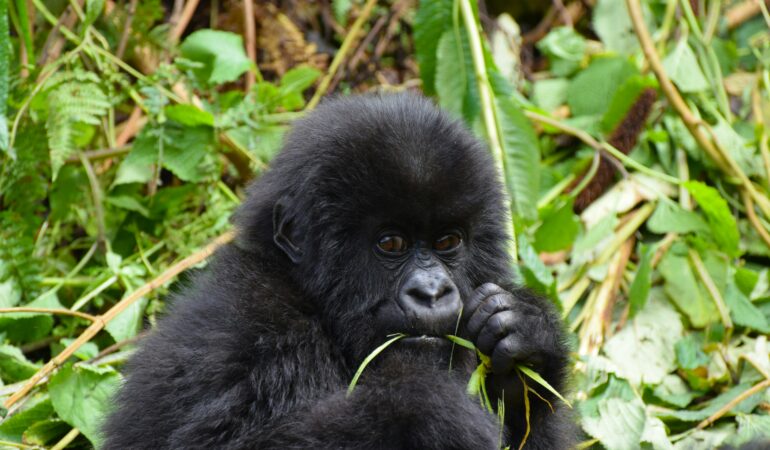
Uganda is home to almost half of the world’s remaining mountain gorillas, primarily in Bwindi Impenetrable National Park and Mgahinga Gorilla National Park. Gorilla trekking permits are expensive by design, but this pricing structure is essential for protecting these endangered primates.
A large portion of each permit directly funds gorilla conservation programs, including veterinary care, habitat protection, and anti-poaching patrols.
Another significant share is allocated to local communities living around gorilla habitats, ensuring that people benefit economically from conservation.
This model has been one of the most successful examples of responsible tourism Uganda, leading to a steady increase in gorilla populations over recent decades.
Community Benefits from Conservation Fees
One of the most important aspects of Uganda wildlife conservation is community involvement.
A percentage of conservation fees Uganda is distributed to communities living near national parks. These funds support schools, healthcare facilities, clean water projects, and infrastructure development.
This system reduces human-wildlife conflict by ensuring that communities see tangible benefits from conservation efforts.
For example, communities near Bwindi and Queen Elizabeth National Park receive direct revenue shares from tourism activities, encouraging them to support rather than resist conservation initiatives.
Anti-Poaching and Ranger Operations
A large portion of Uganda park fees is dedicated to funding ranger operations across national parks.
Rangers are responsible for protecting wildlife from illegal hunting, logging, and habitat destruction. They operate in challenging environments, often patrolling remote areas on foot for days at a time.
These teams are essential for protecting iconic species such as elephants, lions, and gorillas.
Without consistent funding from tourism revenue, anti-poaching efforts would be significantly reduced, placing Uganda’s biodiversity at risk.
Infrastructure Development in National Parks
Tourism revenue also supports infrastructure development within protected areas.
This includes maintenance of access roads, construction of ranger posts, development of visitor centers, and improvement of park facilities.
Better infrastructure enhances visitor experience while ensuring that conservation activities can be carried out efficiently.
In parks such as Murchison Falls and Queen Elizabeth, road maintenance funded by national park fees Uganda ensures that game drives remain accessible even during challenging weather conditions.
Scientific Research and Wildlife Monitoring
Another important use of conservation fees Uganda is funding scientific research.
Wildlife researchers study animal behavior, population dynamics, disease patterns, and habitat changes. This information is essential for developing effective conservation strategies.
For mountain gorillas, continuous monitoring allows researchers to track individual families, understand social structures, and detect potential health threats early.
This research contributes directly to the success of Uganda wildlife conservation programs.
How Tourism Supports Conservation Success
Uganda is one of the few countries in the world where wildlife populations, particularly mountain gorillas, have been increasing due to tourism-based conservation.
The success of gorilla conservation demonstrates how gorilla trekking permit cost revenue can transform endangered species recovery.
Similarly, savannah parks benefit from improved anti-poaching measures funded by tourism, leading to stable or increasing populations of elephants, lions, and other key species.
Tourism creates a financial incentive for conservation, ensuring that wildlife is more valuable alive than dead.
Responsible Tourism and Traveler Impact
Every traveler who pays conservation fees Uganda becomes part of the conservation system.
By visiting national parks, choosing ethical tour operators, and following park guidelines, travelers contribute directly to wildlife protection.
Responsible tourism also involves minimizing environmental impact, respecting wildlife distances, and supporting local communities through cultural experiences and local services.
This makes every safari a partnership between visitors and conservation authorities.
The Value of Paying Conservation Fees
While some travelers may initially question safari costs, understanding how Uganda park fees are used changes the perspective entirely.
These fees are not just entry costs; they are investments in biodiversity, community development, and long-term ecosystem survival.
Without them, many of Uganda’s national parks would struggle to maintain infrastructure, protect wildlife, or support surrounding communities.
In essence, every visitor becomes a conservation stakeholder.
Conservation Challenges in Uganda
Despite success stories, Uganda’s conservation system still faces challenges.
Population pressure, habitat loss, climate change, and illegal wildlife trade continue to threaten ecosystems.
However, consistent funding from conservation fees Uganda helps mitigate these challenges through improved protection, community engagement, and sustainable tourism development.
Ongoing international partnerships and conservation programs also support Uganda’s efforts to maintain biodiversity.
How Monumental Gorilla Tours Supports Conservation
Monumental Gorilla Tours actively participates in responsible tourism Uganda by ensuring that all itineraries comply with national park regulations and conservation guidelines.
We work closely with Uganda Wildlife Authority-approved programs and support eco-friendly lodges and community tourism initiatives.
Every safari we design contributes to Uganda wildlife conservation by promoting ethical wildlife viewing, responsible trekking practices, and meaningful community engagement.
Our approach ensures that travelers not only experience Uganda’s beauty but also directly contribute to its protection.