July 31, 2026
Mabira Forest Reserve Uganda: Birding and Eco-Tourism
Mabira Forest Reserve Uganda is one of the country’s most accessible and important rainforest ecosystems, offering a rare blend of biodiversity, birding opportunities, and eco-tourism experiences just a short drive from Kampala. Covering approximately 300 square kilometers between Kampala and Jinja, Mabira Forest stands as one of the largest surviving natural forests in central Uganda.
For travelers interested in Uganda eco tourism, Mabira Forest provides an immersive experience into tropical rainforest ecology without the need for long-distance travel. It is a sanctuary of towering mahogany trees, rich birdlife, primates, butterflies, and guided forest walks that appeal to both casual nature lovers and serious birdwatchers.
Unlike Uganda’s more remote safari destinations such as Bwindi or Kidepo, Mabira Forest Reserve is easily accessible, making it ideal for day trips, weekend nature escapes, and pre- or post-safari extensions.
Overview of Mabira Forest Reserve Uganda
Mabira Forest Reserve Uganda is located in central Uganda between the towns of Lugazi and Jinja, approximately 54 kilometers east of Kampala. It is one of the few remaining tropical rainforests in the region, preserved as a protected reserve managed for conservation and sustainable use.
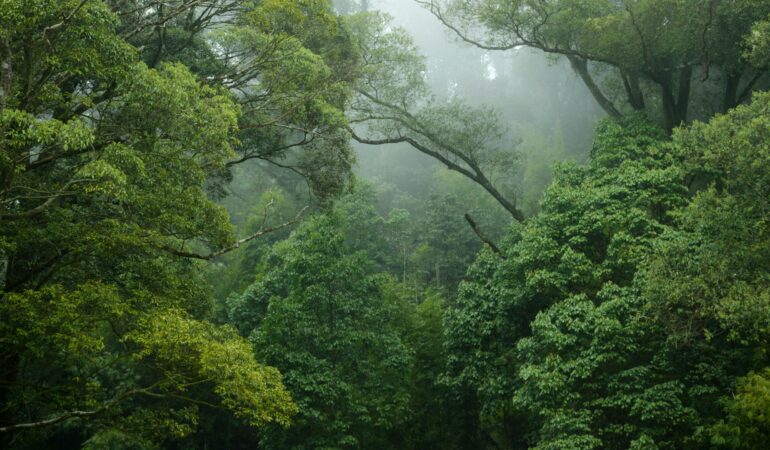
The forest is characterized by dense vegetation, rolling terrain, and a humid tropical climate that supports a wide range of plant and animal species. It plays an important ecological role as a watershed for nearby rivers and as a carbon sink that contributes to climate regulation in the region.
Mabira is especially known for its accessibility and biodiversity, making it one of the most important Uganda rainforest reserves for eco-tourism and environmental education.
Background and Ecological Importance
Mabira Forest has a long history of conservation dating back to the colonial era when it was first gazetted as a forest reserve. Over the years, it has faced pressure from agricultural expansion, logging, and infrastructure development, but it remains one of the most intact forest ecosystems in central Uganda.
The forest supports over 300 tree species, many of which are indigenous hardwoods such as mahogany and mvule. It also serves as a critical habitat for primates, including red-tailed monkeys, black-and-white colobus monkeys, and grey-cheeked mangabeys.
Its ecological importance extends beyond wildlife. Mabira plays a key role in maintaining rainfall patterns, regulating temperatures, and supporting agricultural productivity in surrounding districts.
This makes Uganda eco tourism in Mabira not only a recreational experience but also a contribution to conservation and environmental sustainability.
Location and Accessibility
One of the strongest advantages of Mabira Forest Reserve Uganda is its proximity to major urban centers. It is located just off the Kampala–Jinja highway, making it easily accessible within 1 to 1.5 hours from Kampala and under an hour from Jinja.
This strategic location allows travelers to combine Mabira Forest visits with other popular destinations such as the Source of the Nile in Jinja, Ssezibwa Falls, or even eastern Uganda safari extensions.
The forest is well connected by road, and most guided tours begin from nearby visitor centers or eco-lodges that border the reserve.
Birding in Mabira Forest Reserve Uganda
One of the most significant attractions of Mabira Forest birding is its incredible avian diversity. The forest is home to over 300 bird species, making it one of the richest birding destinations in central Uganda.
Birdwatchers can expect to encounter species such as the Nahan’s francolin, African grey parrot, white-spotted flufftail, and the striking great blue turaco. The forest canopy and undergrowth create ideal conditions for both forest and migratory bird species.
Early morning birding walks are particularly rewarding, as the forest comes alive with calls and movement from multiple bird species. Guided birding tours are recommended, as local guides have expert knowledge of nesting sites and bird behavior.
For travelers interested in birding in Uganda forests, Mabira offers a convenient and highly productive introduction to Uganda’s rich avifauna without requiring long-distance travel to remote national parks.
Wildlife and Biodiversity
Beyond birds, Mabira Forest supports a wide range of wildlife species that thrive in its dense tropical environment. Primates are among the most commonly observed animals, with troops of red-tailed monkeys and colobus monkeys frequently seen along forest trails.
The forest is also home to small antelope species, butterflies, reptiles, and a variety of insects that contribute to its ecological richness. Night walks sometimes reveal nocturnal species such as bush babies and civets.
This diversity makes Mabira one of the most important Uganda rainforest reserves for studying lowland tropical ecosystems in a relatively accessible setting.
Mabira Forest Activities
Mabira Forest activities are designed to immerse visitors in the natural environment while promoting conservation awareness and sustainable tourism.
Nature walks are the most popular activity, with guided trails leading through dense forest sections, riverine areas, and open clearings. These walks provide opportunities to observe wildlife, learn about medicinal plants, and experience the forest’s natural rhythms.
Canopy walks and zip-lining experiences offer a more adventurous perspective, allowing visitors to view the forest from above while enjoying panoramic views of the canopy layer. These activities are especially popular among younger travelers and adventure seekers.
Birding tours remain a core activity, often combined with photography and ecological interpretation sessions led by experienced guides.
Cycling and community visits around the forest edge also provide insight into local livelihoods and conservation efforts.
Eco-Tourism and Conservation Efforts
Uganda eco tourism in Mabira Forest is closely linked to conservation and community engagement. Revenue generated from tourism supports forest protection, ranger patrols, and environmental education programs.
Local communities surrounding the forest are actively involved in eco-tourism initiatives, including guiding, craft production, and cultural experiences. This integration ensures that conservation efforts benefit both the environment and local livelihoods.
Reforestation projects and sustainable forest management practices are also ongoing, aimed at restoring degraded areas and maintaining biodiversity.
Visitors to Mabira contribute directly to these efforts, making eco-tourism a practical tool for environmental preservation.
Best Time to Visit Mabira Forest Reserve Uganda
Mabira Forest can be visited year-round due to its stable tropical climate. However, the best birding conditions are typically during the wetter months when bird activity is higher and migratory species are present.
Morning hours are ideal for forest walks and birding due to cooler temperatures and increased wildlife activity. Afternoon visits are also possible but may be more humid.
Because of its proximity to Kampala and Jinja, Mabira is often visited as a short excursion rather than a multi-day stay, although nearby eco-lodges allow for overnight experiences.
Accommodation Around Mabira Forest
While Mabira itself is primarily a forest reserve, several eco-lodges and accommodations are located nearby, offering comfortable stays surrounded by nature.
These lodges often focus on sustainability, using solar energy, local materials, and community-based staffing models. Guests can enjoy forest views, guided nature walks, and easy access to birding trails.
Accommodation options range from midrange eco-lodges to simple forest camps, making the area accessible to different types of travelers.
For safari itineraries, Mabira can also be combined with Uganda safari destinations such as Jinja, Lake Victoria, and eastern national parks.
Cultural Experience Around Mabira Forest
The communities surrounding Mabira Forest are predominantly agricultural, with farming of sugarcane, coffee, and bananas forming the backbone of local livelihoods.
Visitors often have the opportunity to engage with local guides who share knowledge about traditional forest use, medicinal plants, and cultural practices linked to the forest ecosystem.
Craft markets and community tourism initiatives provide additional opportunities for cultural exchange and local economic support.
Combining Mabira Forest with Uganda Safari Itineraries
Mabira Forest Reserve Uganda fits seamlessly into broader Uganda safari itineraries due to its location between Kampala and Jinja. It is often included as a first or last stop in safari circuits, especially for travelers heading to eastern Uganda or returning from national parks.
It pairs well with wildlife destinations such as Queen Elizabeth National Park, Murchison Falls, and Bwindi Impenetrable Forest, offering a rainforest contrast to savannah and mountain ecosystems.
Monumental Gorilla Tours integrates Mabira into customized itineraries that emphasize both wildlife and eco-tourism experiences across Uganda.
Who Should Visit Mabira Forest
Mabira Forest is ideal for birdwatchers, nature enthusiasts, photographers, students, researchers, and travelers seeking short eco-tourism experiences near Kampala.
It is also suitable for families and casual travelers who want to experience Uganda’s rainforest without undertaking long journeys to remote parks.
Its accessibility and biodiversity make it one of the most versatile Uganda eco tourism destinations.
Planning Your Visit with Monumental Gorilla Tours
Monumental Gorilla Tours offers tailored experiences that include Mabira Forest Reserve Uganda as part of broader Uganda safari and eco-tourism itineraries. Whether combined with gorilla trekking, Jinja adventures, or wildlife safaris, Mabira serves as a natural introduction or conclusion to Uganda’s diverse landscapes.
Each itinerary is designed to balance comfort, accessibility, and meaningful wildlife encounters, ensuring that travelers experience Uganda’s natural beauty in a seamless and enriching way.