July 24, 2026
Are Gorillas Dangerous to Humans? The Truth Every Traveler Should Know
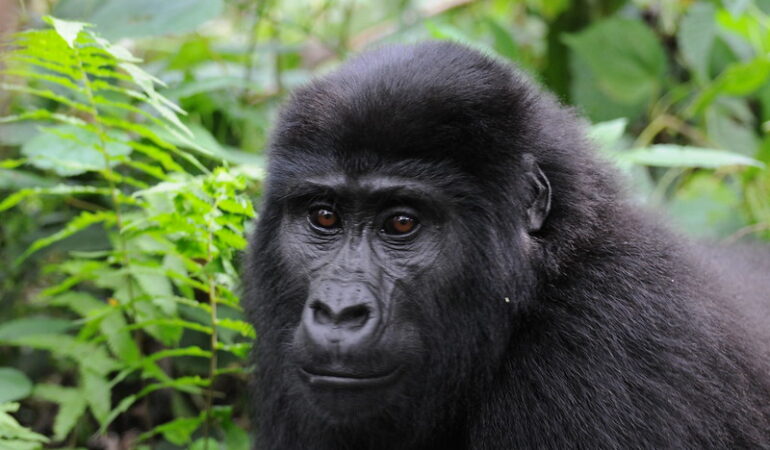
When planning a bucket-list gorilla trekking safari in Uganda, Rwanda, or Congo, one of the most common questions travelers ask is: “Are gorillas dangerous to humans?” It’s a fair concern—after all, mountain gorillas are incredibly strong, weighing over 180 kg (400 lbs) and capable of astonishing power. Yet despite their intimidating appearance, gorillas are among the gentlest primates on earth.
In this detailed guide, we explore whether gorillas pose any real danger to humans, how they behave in the wild, safety precautions during gorilla trekking, and why tours with trusted companies like Monumental Gorilla Tours ensure a safe, respectful, and unforgettable wildlife encounter.
Understanding Gorilla Behavior: Gentle Giants of the Forest
To answer the question—Are gorillas dangerous?—you must first understand how they behave.
1. Gorillas are naturally shy and non-aggressive
Unlike predators such as lions or leopards, gorillas are herbivores and generally avoid conflict. Their first instinct when threatened is to retreat, not attack.
Gorillas communicate peace through behaviors like:
-
Chewing leaves calmly
-
Playfulness among infants
-
Avoiding direct eye contact
-
Soft grunts and murmurs
They only display aggression when they feel seriously threatened or when a human breaks the rules of gorilla trekking.
2. Silverbacks protect, not attack
Every gorilla family is led by a dominant male known as a silverback. His role is to protect the group, especially females and infants.
For this reason, a silverback may display dramatic behaviors such as:
-
Chest-beating
-
Mock charging
-
Throwing vegetation
-
Loud vocalizations
These displays are warnings, not attacks. They are meant to scare off perceived threats—not harm tourists.
3. Habituated gorilla groups are accustomed to humans
All gorilla groups visited by tourists in Uganda, Rwanda, and Congo are habituated, meaning they have undergone a 2–3-year process to become comfortable with human presence.
This habituation process ensures:
-
Gorillas do not see humans as threats
-
They behave normally during trekking visits
-
Visitors can observe them at close range without danger
This is one of the main reasons gorilla trekking is considered safe.
Have Gorillas Ever Attacked Humans?
While rare, incidents can occur—but almost always due to human error.
1. When humans violate trekking rules
Acts that may provoke a gorilla include:
-
Making sudden movements
-
Imitating gorilla sounds
-
Getting too close
-
Direct eye contact (seen as a challenge)
-
Touching infants
-
Harassing wildlife
These behaviors can trigger defensive reactions from a silverback.
2. Accidental contact
Gorillas sometimes pass very close to visitors. If you accidentally block their path or startle them, they may lightly push or brush past you. This is not aggression—just nature taking its course.
3. Human-wildlife conflict near communities
In rare cases, wild gorillas leaving forests may encounter farmers or villagers. Even then, gorillas typically retreat unless cornered.
Overall, gorilla attacks are extremely rare, especially during guided treks with professional rangers.
Why Gorilla Trekking Is Safe
Despite their size and strength, gorilla trekking is one of the safest wildlife activities in East Africa. Here’s why:
1. Professional ranger guidance
All treks are led by trained:
-
Uganda Wildlife Authority (UWA) rangers
-
Congo Conservation Authority trackers
These experts understand gorilla behavior, track their movements, and ensure safe visitor interactions.
2. Strict safety regulations
Authorities have set specific guidelines, including:
-
Keep a 7–10 meter distance from gorillas
-
Do not use flash photography
-
Speak in low voices
-
Follow ranger instructions at all times
Following these rules ensures safety for both gorillas and trekkers.
3. Gorilla families are monitored daily
Park authorities and conservation teams monitor gorilla groups every day to ensure their health, safety, and behavior patterns remain stable.
4. Conservation efforts reduce human–gorilla conflict
Organizations like Dian Fossey Gorilla Fund and Uganda Wildlife Authority work tirelessly to mitigate conflict and protect gorilla populations.
For tourists, this means trekking experiences are carefully managed and highly secure.
How Strong Are Gorillas Compared to Humans?
Part of the fear surrounding gorillas comes from understanding their strength.
-
A silverback gorilla is estimated to be 4–10 times stronger than the average adult man.
-
They can lift up to 815 kg (1,800 lbs).
-
Their bite force is nearly 1,300 psi—stronger than a lion’s.
Yet despite this immense power, gorillas rarely use it aggressively. Their calm and peaceful nature is what makes trekking next to them possible.
Safety Tips for Tourists Encountering Gorillas
If you’re planning a trek, here’s how to ensure a safe and respectful experience:
1. Follow your ranger’s instructions
This is rule number one. Rangers understand gorilla moods and signals better than anyone.
2. Maintain the recommended distance
Even when gorillas approach you, try to lean back, kneel down, or shift away slowly.
3. Avoid flash photography
Flash irritates gorillas and can trigger defensive reactions.
4. Keep your voice low
Calm, quiet voices reassure gorillas that you are not a threat.
5. Do not touch gorillas
Even if a curious juvenile approaches, keep your hands to yourself.
6. Avoid sudden movements
Move slowly and naturally, as quick gestures can alarm the silverback.
7. Stay calm during fake charges
If a gorilla charges, the best reaction is to:
-
Stay still
-
Lower your head
-
Avoid eye contact
This shows you are not a challenge.
8. Wear a mask
This helps prevent the transmission of human diseases (gorillas are highly susceptible).
Why Gorillas Are Not Dangerous: The Scientific Perspective
Researchers agree that gorillas are one of the least aggressive and most peaceful primates.
1. Gorillas are vegetarians
They prefer:
-
Bamboo shoots
-
Wild celery
-
Fruits
-
Leaves
They are not predators and have no interest in hunting or attacking humans.
2. Their social structure promotes peace
Gorilla families thrive on harmony—aggression disrupts group stability, so it is avoided.
3. They are intelligent and emotionally complex
Gorillas show empathy, curiosity, and tolerance toward humans—especially habituated groups.
4. Primatologists rarely witness aggression
Researchers who spend years with gorilla families report very few threatening encounters.
Gorilla Trekking Destinations and Safety
1. Uganda – Bwindi Impenetrable National Park & Mgahinga Gorilla National Park
Uganda offers the highest number of habituated gorilla families. Learn more about safe trekking options at Monumental Gorilla Tours – Uganda Safaris.
2. Rwanda – Volcanoes National Park
Known for its well-organized and exceptionally safe trekking experiences.
3. Congo – Virunga National Park
More adventurous, but guided treks are still safe and rewarding.
Internal links you may find useful:
These resources provide more insights into planning your safe gorilla encounter.
So, Are Gorillas Dangerous to Humans?
In most situations, no.
Gorillas are calm, intelligent, and human-friendly when approached respectfully. They become dangerous only when:
-
Threatened
-
Provoked
-
Surprised
-
When humans ignore trekking guidelines
With proper guidance and responsible behavior, gorilla trekking is extremely safe.
Wildlife authorities, conservationists, and tour companies like Monumental Gorilla Tours ensure visitors experience unforgettable encounters without disturbing these majestic creatures.
Plan a Safe Gorilla Trekking Experience
Ready to meet the gentle giants of Africa?
Book your safe, guided trek with professionals who prioritize:
-
Conservation
-
Safety
-
Community support
-
Responsible tourism
👉 Visit Monumental Gorilla Tours to explore tailored safari packages.