July 1, 2026
Rwanda Gorilla Permit: Cost and How to Book
A Rwanda gorilla permit is the single most important requirement for anyone planning to trek mountain gorillas in Volcanoes National Park. It is more than just an entry document; it is the regulated access pass that connects visitors to one of the rarest wildlife encounters on earth. Rwanda has built a globally respected conservation tourism model around controlled gorilla trekking, and the permit system sits at the center of this structure. Every permit issued directly supports the protection of mountain gorillas, their habitat, and the surrounding communities that live alongside the park.
The experience itself is tightly managed, with only a small number of permits available each day. This ensures that gorilla families are not overwhelmed by human presence and that the interaction remains safe, respectful, and sustainable. For travelers, securing a Rwanda gorilla trekking permit is not something that can be left until arrival. It requires advance planning, particularly during peak safari seasons when demand consistently exceeds supply.
Understanding the Rwanda Gorilla Permit System
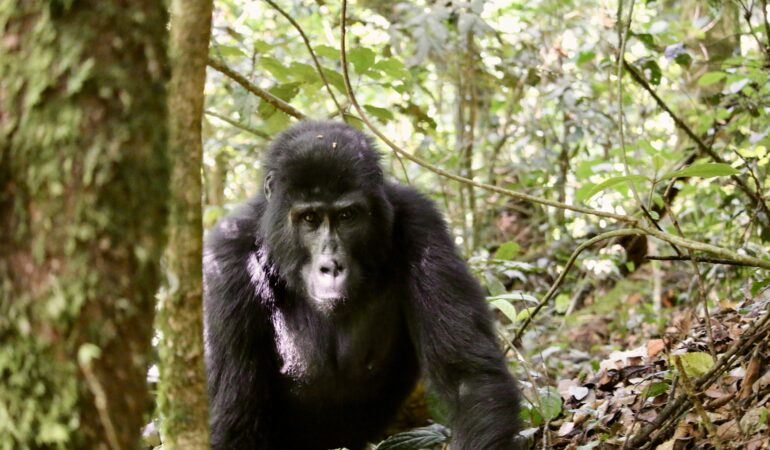
The permit is issued by the Rwanda Development Board, the official authority responsible for tourism and conservation management in the country. Each permit grants one visitor the right to spend one hour with a habituated gorilla family under the supervision of experienced rangers inside Volcanoes National Park.
The controlled nature of this system is intentional. Rwanda limits daily visitor numbers to reduce stress on gorilla groups while ensuring that each trekking experience remains intimate and well-managed. Once visitors reach the assigned gorilla family after a guided trek through bamboo forests and volcanic slopes, they are allowed a strictly timed one-hour observation period. This regulation is part of the Rwanda gorilla trekking rules, which are enforced throughout the experience.
Because gorillas share close genetic similarity with humans, they are highly susceptible to human-borne diseases. The permit system therefore also functions as a health protection mechanism, ensuring that only healthy visitors enter the park and that interactions follow strict distance and hygiene protocols.
Rwanda Gorilla Permit Cost
The gorilla permit cost Rwanda remains one of the highest in Africa, reflecting the country’s premium conservation strategy and low-impact tourism approach. As of 2026, foreign non-residents pay USD 1,500 per person, foreign residents pay USD 500, and East African citizens pay USD 200.
This pricing includes park entry, ranger escort services, and the one-hour gorilla encounter. However, it does not include accommodation, transport to Volcanoes National Park, porter services, or gratuities, all of which are arranged separately as part of a complete safari itinerary.
The high cost is not arbitrary. Rwanda has deliberately chosen to position gorilla trekking as a high-value, limited-access experience. Revenue generated from permits is reinvested directly into conservation efforts, anti-poaching operations, and community development programs around the park. This model has contributed significantly to the steady increase in the mountain gorilla population over the years, making Rwanda one of the most successful conservation destinations in Africa.
Why the Rwanda Gorilla Permit Costs So Much
The pricing structure of the Rwanda gorilla permit reflects both conservation priorities and operational realities. Trekking in Volcanoes National Park requires a highly trained ranger workforce, constant monitoring of gorilla families, and continuous protection of fragile ecosystems that are under pressure from human encroachment.
A portion of every permit goes toward funding local communities living near the park, ensuring that conservation becomes economically beneficial for residents. This reduces human-wildlife conflict and encourages long-term protection of gorilla habitats. Another portion supports veterinary teams that monitor gorilla health, particularly for injuries, disease prevention, and general wellbeing.
Rwanda also invests heavily in maintaining trekking infrastructure, including ranger posts, trails, communication systems, and security operations. All of these factors contribute to the overall cost of maintaining a safe and sustainable gorilla tourism program.
How to Book a Rwanda Gorilla Permit
Understanding how to book gorilla permit Rwanda is essential because availability is strictly controlled and often sells out months in advance. There are two main booking methods, but most travelers choose the most convenient route through a licensed tour operator.
Booking through a registered operator such as Monumental Gorilla Tours is the most efficient approach because the operator handles availability checks, reservation requests, and confirmation directly with the Rwanda Development Board. This method is particularly helpful for international travelers who are combining gorilla trekking with broader East African safaris, as it ensures all logistics are aligned within a single itinerary.
The alternative is booking directly with the Rwanda Development Board. This requires travelers to contact the official office, request available trekking dates, and complete payment in advance. While this method offers direct access, it often requires more coordination and is less flexible for travelers unfamiliar with Rwanda’s booking systems.
In both cases, the permit is only confirmed once full payment is made and an official confirmation is issued. Without this document, access to Volcanoes National Park is not permitted under any circumstances.
When to Secure Your Gorilla Permit
Demand for Rwanda gorilla trekking permits is consistently high throughout the year, but it intensifies significantly during the dry seasons from June to September and December to February. These months are considered the best for trekking due to easier forest access and more predictable weather conditions.
Because of this, permits during peak periods can sell out six months or more in advance. Even during the low season, availability becomes limited closer to travel dates due to constant international demand. The most reliable approach is early planning, ideally securing permits at least three to six months before travel.
Last-minute bookings are rarely successful unless cancellations occur, which is unpredictable. This makes advance reservation not just recommended but necessary for anyone serious about trekking in Rwanda.
What the Gorilla Permit Includes
The Rwanda gorilla trekking permit covers entry into Volcanoes National Park and the guided trekking experience led by trained rangers. It includes security protection during the trek, professional tracking support, and the one-hour interaction with a habituated gorilla family.
What it does not include is equally important for planning. Accommodation near the park, transport from Kigali or other locations, meals outside the park, porter services, and personal travel expenses are separate. Many travelers choose to hire porters at the trailhead, which significantly improves comfort during steep and sometimes muddy hikes while also providing direct income to local communities.
Rwanda Gorilla Trekking Rules and Visitor Guidelines
Strict Rwanda gorilla trekking rules are enforced to protect both visitors and gorillas. These rules are part of a conservation framework that has made Rwanda one of the safest and most successful gorilla trekking destinations in the world.
Visitors must maintain a minimum distance from gorillas, avoid flash photography, and follow all ranger instructions without exception. Food and drink are not allowed near gorilla families, and anyone showing signs of illness is not permitted to trek. These measures are designed to prevent disease transmission and reduce stress on gorilla groups.
The one-hour limit with gorillas is strictly enforced. This time frame is based on scientific research showing that extended human presence can alter natural gorilla behavior. By limiting interaction time, Rwanda ensures that tourism remains non-disruptive and sustainable.
Volcanoes National Park and the Gorilla Experience
Volcanoes National Park is the only location in Rwanda where gorilla trekking takes place. It forms part of the larger Virunga Conservation Area, which spans Rwanda, Uganda, and the Democratic Republic of Congo. The park is characterized by dense bamboo forests, volcanic landscapes, and high-altitude terrain that creates one of the most scenic trekking environments in Africa.
Each gorilla family within the park has been habituated to human presence over time, allowing visitors to observe natural behaviors such as feeding, grooming, and social interaction. The trek itself can vary from short hikes to more challenging forest journeys depending on the movement of the gorillas on any given day.
Beyond gorillas, the park also supports golden monkeys and a wide range of bird species, making it a rich biodiversity zone that extends beyond its most famous residents.
Planning Your Gorilla Trekking Experience
Once a Rwanda gorilla permit is secured, attention shifts to planning the actual trekking experience. Most visitors stay in lodges near Volcanoes National Park, particularly around the Kinigi area, to ensure early morning access to park headquarters. The trek begins with a briefing session where visitors are assigned to specific gorilla families based on fitness level and group size.
Spending at least two nights in the area is recommended to allow time for acclimatization and to accommodate possible weather changes. Trekking conditions vary depending on rainfall and gorilla movement, so flexibility is an important part of the experience.