June 26, 2026
Rwanda Cultural Village Experience: Beyond Gorilla Trekking
Most travelers arrive in Rwanda with a single image in mind: mist rising over the volcanoes and mountain gorillas moving slowly through bamboo forests. While Rwanda Gorilla Trekking in Volcanoes National Park is undoubtedly one of Africa’s most powerful wildlife encounters, it represents only part of what makes the country remarkable. Just beyond the trekking trails lies another equally meaningful experience—the Rwanda Cultural Village Experience, where history, identity, tradition, and community life come together in an immersive journey into Rwanda’s living heritage.
This cultural dimension of Rwanda tourism is often overlooked, yet it adds depth and context to a gorilla trekking safari. Understanding the people who live around Volcanoes National Park, their resilience, traditions, and evolving relationship with conservation, transforms a safari from a wildlife experience into a holistic journey through both nature and culture.
At Monumental Gorilla Tours, we strongly encourage travelers combining gorilla trekking in Rwanda or Uganda to include cultural experiences that reveal the human stories behind East Africa’s conservation success.
Understanding Rwanda Cultural Tourism
The rise of Rwanda cultural tourism reflects a national effort to preserve heritage while supporting local communities through sustainable tourism. Unlike traditional museum-based experiences, Rwanda’s cultural tourism is highly interactive. Visitors are invited to participate in storytelling sessions, traditional dance performances, craft-making demonstrations, and guided village walks.
These experiences are especially concentrated around the Volcanoes National Park region in northern Rwanda, where communities live in close proximity to gorilla habitats. Over the years, tourism revenue has played an important role in supporting education, infrastructure, and livelihood programs for these communities.
The result is a tourism model where conservation and culture are deeply connected. Gorilla trekking fees contribute directly to protecting endangered mountain gorillas, while cultural tourism ensures that local communities benefit from and participate in the tourism economy.
Volcanoes National Park Culture and Community Life
The cultural landscape surrounding Volcanoes National Park culture is shaped by centuries of human adaptation to volcanic highland environments. The region is home to farming communities that cultivate crops such as potatoes, beans, maize, and tea in the fertile volcanic soils.
Traditional Rwandan homesteads reflect a strong connection to land, family, and community structure. Visitors engaging in cultural experiences often learn about traditional farming practices, local food preparation methods, and the importance of cattle in Rwandan heritage.
One of the most powerful aspects of cultural tourism in this region is the way it connects directly with conservation history. Communities that once faced displacement due to park creation are now actively involved in tourism, turning past challenges into opportunities for sustainable development.
This transformation makes cultural visits not only educational but deeply meaningful within the broader story of Rwanda’s conservation journey.
Traditional Dance and Music in Rwanda
One of the most captivating highlights of the Rwanda Cultural Village Experience is the performance of Rwandan traditional dance. Known locally as Intore, these performances are not simply entertainment; they are a symbolic expression of Rwandan identity, strength, and unity.
Intore dancers wear elaborate costumes featuring woven grass wigs and traditional garments that reflect historical warrior traditions. The choreography is energetic and highly structured, often accompanied by rhythmic drumming and singing that tells stories of courage, heritage, and community pride.
Visitors are frequently invited to participate in simplified dance sessions, creating an interactive experience that breaks cultural barriers and fosters personal connection.
Music also plays a central role in cultural expression. Traditional instruments such as drums, stringed instruments, and flutes are used to accompany ceremonies, storytelling, and communal celebrations. These performances provide insight into how oral traditions continue to preserve Rwanda’s cultural memory.
The Batwa Cultural Experience in Rwanda
Among the most important cultural encounters in the region is the Batwa cultural experience Rwanda, which introduces visitors to one of the oldest indigenous communities in the Great Lakes region.
The Batwa were traditionally forest dwellers who lived in harmony with the ancient forests that now form part of Volcanoes National Park. Their lifestyle was closely connected to hunting, gathering, and deep ecological knowledge of the forest environment.
Following the creation of protected areas for gorilla conservation, many Batwa communities were relocated to surrounding areas. Today, cultural tourism plays a significant role in preserving their heritage and supporting their livelihoods.
During a Batwa cultural experience, visitors may learn about traditional hunting techniques, forest survival skills, medicinal plant use, pottery making, and storytelling traditions. These experiences are often guided by Batwa elders who share personal histories and cultural knowledge passed down through generations.
This encounter offers a powerful perspective on the human side of conservation and the importance of inclusive tourism development.
Village Walks and Daily Life Experiences
Beyond organized performances, the Rwanda Cultural Village Experience often includes guided walks through local communities surrounding Volcanoes National Park.
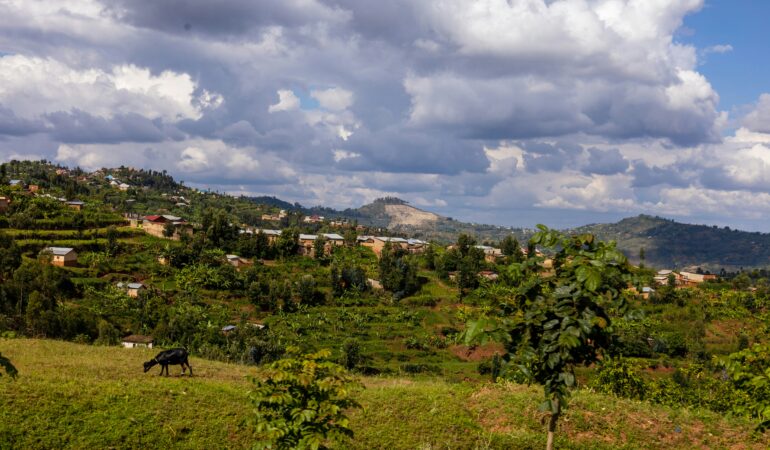
These walks provide an authentic glimpse into everyday life in rural Rwanda. Visitors may observe farmers working in terraced fields, women weaving baskets, artisans crafting woodwork, and local markets bustling with activity.
The architecture of rural homes reflects practical adaptation to the highland environment, while communal spaces highlight the importance of cooperation in daily life.
Unlike staged cultural shows, these village walks offer spontaneous interactions that reveal the rhythm of daily life. Conversations with community members often become the most memorable part of the experience, offering insights into resilience, tradition, and modern development.
Rwanda Cultural Tourism and Conservation
One of the most important aspects of Rwanda cultural tourism is its direct connection to conservation success. Rwanda has become a global model for integrating wildlife protection with community development.
A portion of revenue from gorilla trekking permits is shared with local communities, funding schools, healthcare facilities, clean water projects, and infrastructure improvements. Cultural tourism adds another layer of benefit by creating employment opportunities for guides, performers, artisans, and community-based tourism initiatives.
This model ensures that communities living near protected areas have a tangible stake in conservation success. As a result, attitudes toward wildlife protection have significantly improved, and human-wildlife conflict has been reduced.
For travelers, this creates a more meaningful safari experience, knowing that cultural visits contribute directly to both conservation and community well-being.
Combining Cultural Experiences with Gorilla Trekking
One of the greatest advantages of visiting Rwanda is the ability to combine cultural immersion with Rwanda Gorilla Trekking in Volcanoes National Park.
A typical itinerary may begin with cultural visits in Musanze or nearby villages before heading into the forest for gorilla trekking. This sequence allows travelers to first understand the human context of the region before experiencing its most famous wildlife encounter.
The contrast between cultural village life and the dense bamboo forests of the Virunga Mountains creates a well-rounded travel experience that reflects both sides of Rwanda’s identity—its people and its wildlife.
Many travelers also combine Rwanda with Uganda, extending their journey to include Bwindi Impenetrable National Park, Queen Elizabeth National Park, or Kibale National Park for chimpanzee tracking and savannah safaris.
At Monumental Gorilla Tours, we design these cross-border itineraries to ensure cultural, wildlife, and scenic experiences are seamlessly integrated.
Best Time to Experience Rwanda Cultural Tourism
The Rwanda Cultural Village Experience is available year-round, but it is often best combined with gorilla trekking seasons for a complete safari itinerary.
The dry seasons from June to September and December to February are particularly popular because they offer easier trekking conditions in Volcanoes National Park. Cultural visits remain comfortable during these months, with clear weather and good travel conditions.
During the rainy seasons, the landscape becomes lush and green, offering beautiful scenery for photography, although some rural paths may be more challenging to navigate.
Regardless of season, cultural experiences remain consistent throughout the year, as they are based on community life rather than wildlife migration patterns.
Photography and Storytelling Opportunities
For photographers and storytellers, the Rwanda Cultural Village Experience provides a rich source of visual and narrative material.
Traditional dance performances offer dynamic movement and vibrant color compositions. Village life provides candid opportunities to capture daily routines, craftsmanship, and human interaction. Landscapes surrounding Volcanoes National Park add dramatic volcanic backdrops that enhance cultural imagery.
Unlike wildlife photography, cultural photography in Rwanda emphasizes human expression, emotion, and storytelling. This creates a balanced portfolio when combined with gorilla trekking imagery, where close-up wildlife portraits dominate.
Where to Stay During Cultural and Gorilla Tours
Accommodation in the Volcanoes National Park region ranges from luxury lodges to boutique eco-camps. Many properties are designed to reflect Rwandan cultural aesthetics while offering modern comfort.
Luxury lodges often incorporate local materials, artwork, and architectural styles inspired by traditional design. Some also collaborate with nearby communities to support cultural programs and artisan workshops.
Staying in this region allows travelers to remain close to both gorilla trekking briefing points and cultural tourism sites, reducing travel time and enhancing overall experience quality.
Why Choose Monumental Gorilla Tours
At Monumental Gorilla Tours, we believe that a complete Rwanda safari should go beyond wildlife viewing. By integrating the Rwanda Cultural Village Experience into gorilla trekking itineraries, we create journeys that reflect both the natural and cultural richness of the destination.
Our itineraries include expertly guided gorilla trekking permits, cultural village visits, Batwa experiences, luxury accommodation arrangements, and seamless transport across Rwanda and Uganda.
Whether you are planning a dedicated Rwanda safari or a combined East Africa itinerary, our team ensures every detail is carefully managed for comfort, authenticity, and meaningful travel.
Explore our customized safari packages at Monumental Gorilla Tours and discover how culture and wildlife come together in one unforgettable journey.