July 20, 2026
Rhino Trekking vs Gorilla Trekking: Which Is More Exciting?
Uganda is one of the very few countries on earth where travelers can walk on foot toward both wild rhinos and mountain gorillas within the same trip, and this rare overlap leads many first-time visitors to a genuinely difficult planning question. Rhino trekking vs gorilla trekking is not a comparison with an obvious winner, since the two experiences differ enormously in cost, physical demand, setting and the nature of the encounter itself, and what counts as more exciting really depends on what a traveler is looking for. This guide breaks down both experiences honestly, covering everything from price and difficulty to the emotional weight of each encounter, so that travelers can decide which one deserves priority, or better yet, understand why so many experienced Uganda travelers end up doing both.
Two Very Different Animals, Two Very Different Stories
Before comparing the trekking experiences themselves, it helps to understand the very different conservation stories behind each animal, since this context shapes much of what makes both encounters meaningful. Mountain gorillas exist in only a handful of forest ecosystems worldwide, primarily across Uganda, Rwanda and the Democratic Republic of Congo, and the species has clawed its way back from the brink of extinction through decades of dedicated conservation work, habituation programs, and community-based tourism revenue that directly funds protection efforts. Rhinos tell an even starker story within Uganda specifically, since the country’s wild rhino population was completely wiped out by poaching during the political instability of the late 1970s and early 1980s, meaning that every rhino a visitor sees today at Ziwa Rhino Sanctuary exists because of a deliberate, ongoing reintroduction effort that began with just a handful of animals relocated from Kenya and the United States. Understanding this background adds real weight to both experiences, but it also explains why the trekking format, cost and setting differ so significantly between the two.
Gorilla Trekking: The Physical and Emotional Heavyweight
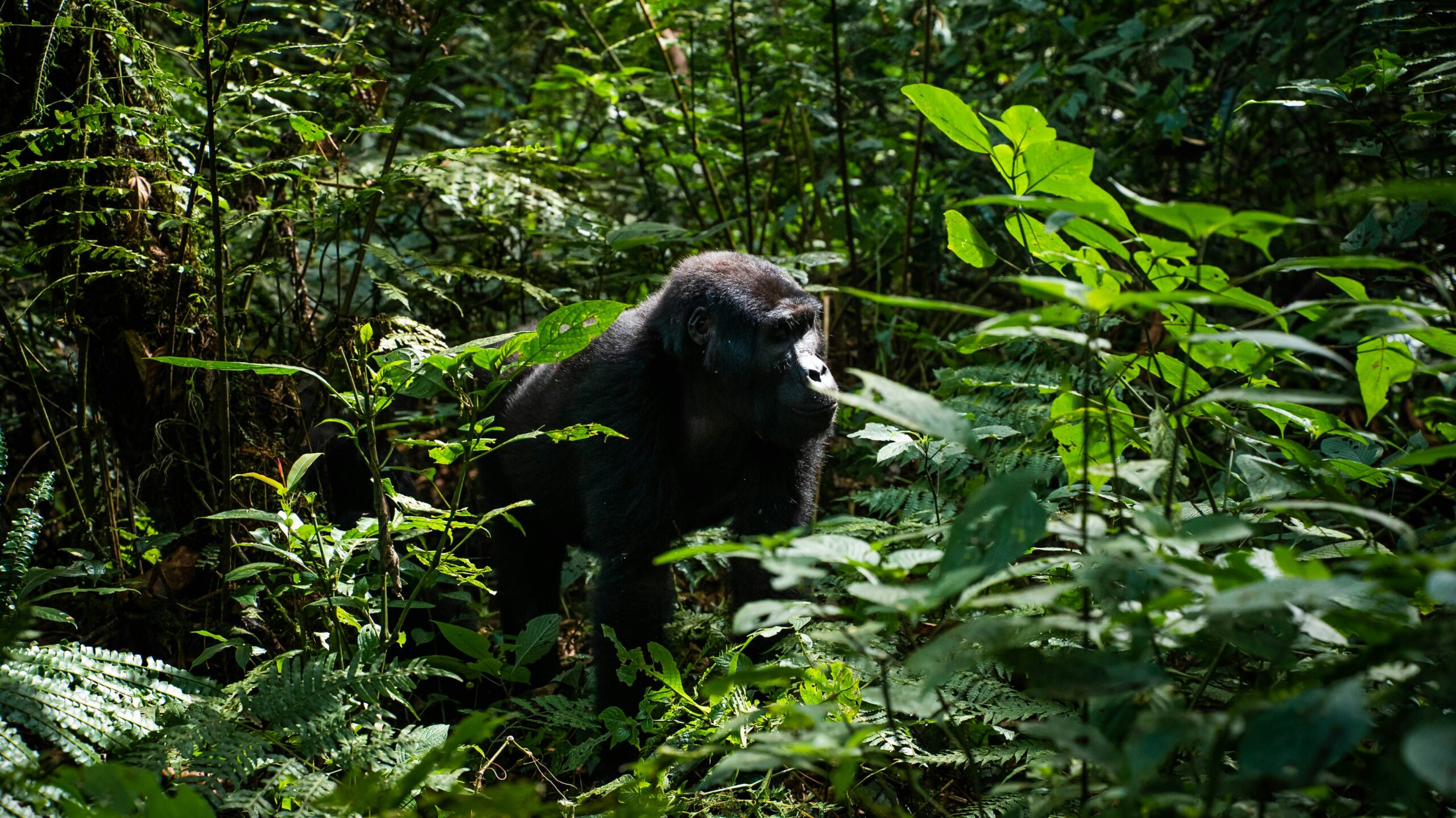 Gorilla trekking Uganda experiences take place almost entirely within Bwindi Impenetrable National Park and the smaller Mgahinga Gorilla National Park, both located in Uganda’s remote southwest, and the trek itself is a genuinely demanding physical undertaking. Trekkers set out early in the morning from a park headquarters, accompanied by armed rangers and experienced trackers who already have a rough idea of where a given gorilla family spent the previous night, and the hike that follows can range from a relatively short one-hour walk to a punishing full-day trek of six hours or more through dense, often muddy and steeply sloped rainforest terrain. There is no guarantee of exactly how long a trek will take on any given day, since gorilla families move freely through the forest and trackers must locate them fresh each morning, which adds a genuine element of unpredictability and adventure that many travelers find part of the appeal rather than a drawback. Once the family is located, visitors are permitted exactly one hour in the gorillas’ presence, observing a habituated group going about entirely natural behavior, from feeding and grooming to the occasional dramatic display from a dominant silverback, all at a closely regulated but genuinely close distance. Our [Bwindi Impenetrable National Park guide] covers the different trekking sectors in detail, since choosing between Buhoma, Ruhija, Rushaga and Nkuringo meaningfully affects both the difficulty of the hike and the character of the surrounding forest.
The financial commitment for gorilla trekking is considerably higher than most other wildlife experiences in East Africa, with a standard gorilla trekking permit cost of 800 US dollars per person for foreign non-residents in Uganda, dropping to 600 US dollars during the low season months of April, May and November. This single fee covers park entry, ranger and tracker guiding, and the hour spent with the gorilla family, and permits must be booked well in advance given Uganda Wildlife Authority’s limited daily allocation per gorilla group. For travelers weighing whether this investment is worthwhile, it is worth noting that gorilla trekking consistently ranks among the most emotionally powerful wildlife encounters offered anywhere in the world, largely because of how closely related gorillas are to humans and how individually recognizable their personalities and family dynamics become even within a single hour of observation.
Rhino Trekking: Accessible, Affordable and Genuinely Thrilling
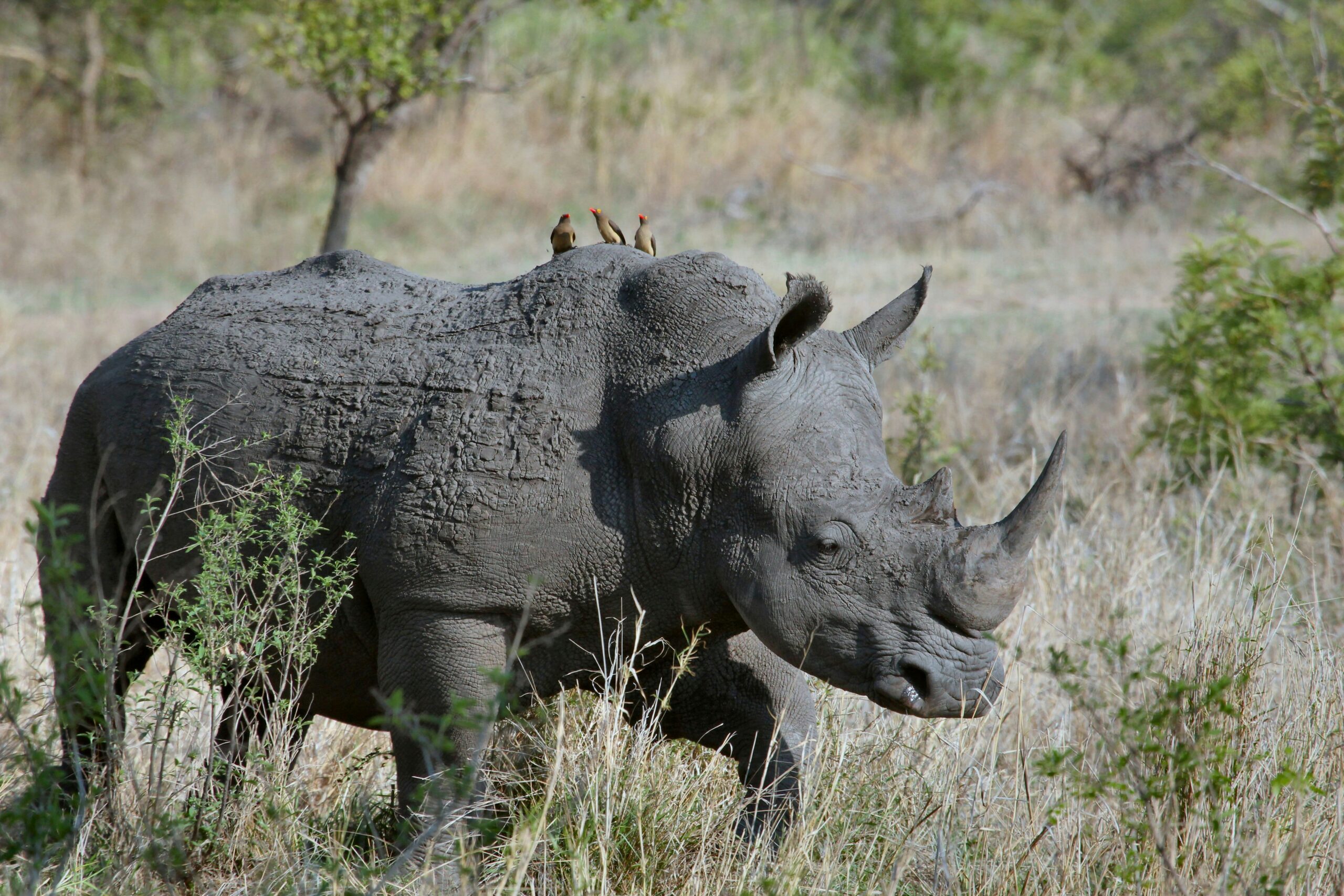
Rhino tracking Uganda happens exclusively at Ziwa Rhino Sanctuary, a privately managed reserve roughly three hours north of Kampala along the highway toward Murchison Falls National Park, and it offers an entirely different kind of experience from gorilla trekking in almost every respect. The terrain at Ziwa is flat, open savannah and woodland rather than steep montane rainforest, which makes rhino trekking accessible to a far wider range of fitness levels, including families with children and older travelers who might find the physical demands of a full Bwindi trek genuinely daunting. Walks typically last between one and two and a half hours depending on where the rhinos happen to be grazing that day, guided by experienced rangers who track the animals on foot and position visitors at a safe but genuinely close distance, often close enough to hear the rhinos breathing and moving through the grass, which is an intensity of proximity that surprises many first-time visitors who expect something more distant and vehicle-based.
The cost difference between the two experiences is dramatic, with rhino trekking at Ziwa typically running somewhere in the range of 40 to 60 US dollars per person for foreign non-residents depending on the specific package and operator, a small fraction of what a single gorilla permit costs. This affordability, combined with Ziwa’s convenient location directly along the route most travelers already take toward Murchison Falls National Park, makes rhino trekking one of the easiest wildlife add-ons to include in a broader Uganda itinerary, often slotted in as a half-day stop rather than requiring an entire day or dedicated overnight stay the way gorilla trekking generally does. Ziwa is currently home to a growing population of white rhinos, a genuine conservation success story built from a handful of founder animals, and the sanctuary’s ongoing births are themselves part of what makes a visit feel meaningful rather than simply a wildlife viewing checkbox.
Comparing the Thrill Factor
When it comes to the actual question of excitement, both experiences deliver genuine thrills, but they generate that thrill in different ways. Gorilla trekking builds tension gradually, through the physical exertion of the hike itself, the uncertainty of not knowing exactly how long the search will take, and the growing anticipation as trackers signal that the family is close, culminating in a sudden, often quite startling first glimpse of a massive silverback moving through the undergrowth just a few meters away. The scale and power of an adult male gorilla, which can weigh well over 400 pounds, combined with the closeness of the encounter and the almost unsettling sense of eye contact and recognition, creates a kind of profound, occasionally overwhelming excitement that many travelers describe as genuinely life-changing rather than simply a good wildlife sighting.
Rhino trekking generates its excitement more immediately and with less physical buildup, since the flatter terrain and shorter walks mean the encounter itself often arrives faster and with less accumulated anticipation. What it lacks in slow-burn tension, it makes up for in the sheer visual and physical presence of the animal itself, since white rhinos are enormous, prehistoric-looking creatures that can weigh well over two tons, and walking on foot within close range of an animal that size, with essentially no barrier beyond an experienced ranger’s judgment and the animal’s own calm temperament, delivers a very real jolt of adrenaline. Travelers who have done both experiences frequently describe rhino trekking as more immediately visceral given the sheer bulk of the animal at close range, while gorilla trekking tends to be described as more emotionally resonant given the primates’ expressive faces, complex social behavior and closer evolutionary kinship with humans.
Difficulty and Accessibility Compared
For travelers weighing physical capability into the decision, this is where the two experiences diverge most clearly. Gorilla trekking demands a genuine baseline of fitness, since the terrain in Bwindi is steep, frequently muddy, and can require several hours of sustained hiking at altitude, and Uganda Wildlife Authority does enforce a minimum age of 15 for gorilla trekking permits given these physical demands. Porters are available for hire at the trailhead and are genuinely worth the modest cost for almost any trekker, since they carry daypacks and offer a steadying hand on the steeper, more slippery sections, but even with a porter’s help, gorilla trekking remains a legitimately strenuous undertaking that not every traveler is prepared for. Rhino trekking at Ziwa, by contrast, involves flat and generally easy walking that most travelers of any age and fitness level can comfortably manage, making it a far more accessible option for families traveling with younger children, older travelers, or anyone recovering from injury or simply less interested in a demanding physical challenge as part of their wildlife encounter.
Why So Many Travelers End Up Doing Both
Given Ziwa Rhino Sanctuary’s convenient position directly along the main route between Kampala and Murchison Falls National Park, and the fact that most gorilla trekking itineraries already involve significant road travel through central and western Uganda, combining both experiences into a single trip is remarkably practical rather than requiring extensive extra planning. A common and genuinely well-designed itinerary structure has travelers departing Entebbe or Kampala, stopping at Ziwa for rhino trekking en route north, continuing on to Murchison Falls National Park for boat cruises and game drives, and then either flying or driving south toward Bwindi Impenetrable National Park for the gorilla trekking portion of the trip. This sequencing allows travelers to experience the full contrast between the two encounters within a single well-paced journey, and the relatively low cost and short time commitment of the rhino trekking stop makes it an easy addition that meaningfully enriches the overall trip without significantly extending the itinerary or budget. Our [Murchison Falls and rhino trekking combined itinerary] outlines exactly this kind of routing in more detail, and our [gorilla trekking permit and pricing guide] can help fit the Bwindi leg of the trip around the rest of the schedule and budget.
Which Should You Prioritize If You Can Only Choose One
For travelers with genuinely limited time or budget who must choose only one experience, the decision tends to come down to what kind of trip they are building. Travelers whose primary goal is the single most powerful, once-in-a-lifetime wildlife encounter available in East Africa, and who have the time, budget and physical fitness to commit to it, should prioritize gorilla trekking, since it remains one of the most sought-after and genuinely transformative wildlife experiences offered anywhere on the continent. Travelers working with a tighter budget, traveling with children or less mobile family members, or simply looking for an easy, high-impact addition to a broader Murchison Falls or northern Uganda itinerary, will find rhino trekking delivers exceptional value and genuine excitement without the cost or physical demands of a full gorilla trek. Neither choice is a compromise, and both represent genuinely worthwhile ways to spend a day in Uganda, so the decision ultimately comes down to matching the experience to the traveler’s priorities rather than one activity objectively outranking the other.
Planning Your Uganda Wildlife Trip
Deciding between rhino trekking and gorilla trekking, or building an itinerary that includes both, is exactly the kind of planning our team at Monumental Expeditions and Safaris handles for travelers every day, and we structure routes around realistic pacing, permit availability, and each traveler’s specific fitness level and budget rather than a one-size-fits-all template. If you are still weighing which experience is right for your trip, reach out to our team for honest, personalized advice based on your travel dates and priorities.