July 29, 2026
Ngorongoro Crater Safari: What Makes It Different From Uganda
The Ngorongoro Crater safari is one of Africa’s most unique wildlife experiences, often described as a natural amphitheater filled with an astonishing density of animals. Formed millions of years ago by a collapsed volcano, the crater floor today hosts one of the highest concentrations of wildlife in Africa, including lions, elephants, rhinos, buffaloes, hyenas, and flamingos along the soda lakes.
For many travelers planning an East African safari, a natural comparison arises: how does the Ngorongoro Crater safari in Tanzania differ from a gorilla trekking safari in Uganda? Both destinations are world-class, but they offer completely different types of wildlife experiences, landscapes, and travel rhythms.
At Monumental Gorilla Tours, we design itineraries that often combine Tanzania’s northern circuit with Uganda’s gorilla trekking regions, allowing travelers to experience both dramatic savannah game viewing and intimate rainforest encounters in a single journey. Understanding the differences between these destinations helps you decide how to structure your East Africa safari.
The Ngorongoro Crater: A Natural Wildlife Sanctuary
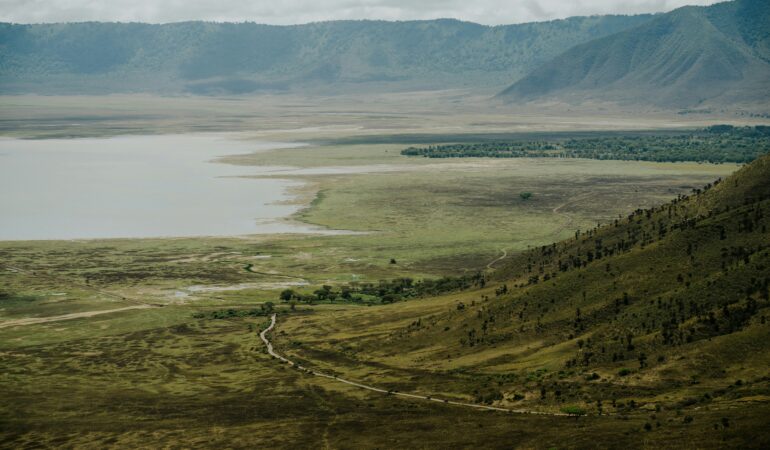
The Ngorongoro Crater is the world’s largest intact volcanic caldera and a UNESCO World Heritage Site located in northern Tanzania. The crater is approximately 19 kilometers wide and 600 meters deep, forming a natural enclosure that supports a self-contained ecosystem.
Unlike most safari destinations where wildlife roams across vast landscapes, the crater concentrates animals within a relatively small area. This creates one of the most reliable game viewing environments in Africa, where visitors can often spot the Big Five in a single day.
Lions dominate the grasslands, elephants move through forested slopes, and black rhinos, though rare, still survive under strict protection. The soda lake attracts thousands of flamingos, while hyenas and jackals roam the open plains.
The Ngorongoro Crater safari experience is defined by density, predictability, and dramatic scenery.
Uganda: A Landscape of Diversity and Movement
In contrast, Uganda safaris are defined by diversity, movement, and varied ecosystems rather than concentration. Uganda offers savannah parks like Queen Elizabeth National Park and Murchison Falls National Park, but its most iconic experience is gorilla trekking in Bwindi Impenetrable National Park.
Unlike Ngorongoro, where animals are viewed from a vehicle in open landscapes, Uganda often requires active exploration through forests, wetlands, and rolling hills.
The highlight of a Uganda safari is not the number of animals seen in a single area but the depth of individual wildlife encounters. Spending an hour with a mountain gorilla family creates an emotional connection that differs entirely from savannah game viewing.
Uganda’s wildlife experience is spread across multiple ecosystems rather than concentrated in one natural basin.
Wildlife Density vs Wildlife Diversity
One of the most striking differences between the Ngorongoro Crater safari and Uganda safaris is wildlife distribution.
Ngorongoro offers extremely high wildlife density. Within a few hours of game driving, visitors can observe large herds of zebras, wildebeest, buffaloes, and elephants in close proximity. Predators are also relatively easy to locate due to the confined space.
Uganda, on the other hand, offers broader biodiversity across multiple regions. While game densities in savannah parks may not match Ngorongoro, Uganda compensates with primates, forest species, and rare endemic wildlife.
Bwindi Impenetrable National Park alone is home to over half of the world’s remaining mountain gorillas, making it one of the most important conservation areas on Earth.
The contrast is clear: Ngorongoro focuses on density, Uganda focuses on ecological variety.
Game Drives vs Gorilla Trekking
The safari activity itself is another major difference.
In Ngorongoro Crater, wildlife viewing is done almost entirely through game drives. Visitors descend into the crater early in the morning and spend several hours driving across open plains in search of wildlife. The experience is comfortable, structured, and vehicle-based.
In Uganda, the most iconic experience is gorilla trekking in Bwindi Impenetrable National Park, which involves hiking through dense rainforest on foot. Instead of observing animals from a distance, travelers physically enter the gorilla habitat and track them alongside rangers.
This creates a much more immersive and physically engaging safari experience. The reward is not just seeing wildlife but reaching it after a guided forest trek.
While Ngorongoro offers effortless wildlife viewing, Uganda offers active exploration.
Landscape Differences: Crater Floor vs Rainforest Mountains
The landscapes of these two destinations could not be more different.
The Ngorongoro Crater safari takes place in an enclosed volcanic basin surrounded by steep crater walls. The floor consists of open grasslands, acacia forests, marshes, and a soda lake. The scenery is wide, open, and panoramic.
Uganda’s Bwindi Impenetrable National Park, in contrast, is a dense tropical rainforest located in the Albertine Rift. The terrain is mountainous, steep, and covered in thick vegetation. Visibility is often limited to short distances, creating a mysterious and immersive atmosphere.
While Ngorongoro feels expansive and open, Bwindi feels enclosed and ancient.
These contrasting landscapes are a major reason why many travelers choose to combine both destinations in one East African safari.
Wildlife Behavior: Predictable vs Wild Tracking
Wildlife behavior also differs significantly between the two regions.
In Ngorongoro, animals remain within the crater year-round due to the availability of water and grazing land. This makes wildlife sightings highly predictable, with frequent encounters during a single game drive.
In Uganda, wildlife behavior is more dynamic. Gorillas, chimpanzees, and forest animals move freely across large territories. Tracking them requires patience, expert guidance, and physical effort.
This unpredictability is part of what makes gorilla trekking Uganda safaris so rewarding. Each trek is different, and the moment of finding a gorilla family feels earned rather than guaranteed.
Ngorongoro offers consistency, while Uganda offers discovery.
Accessibility and Travel Experience
The Ngorongoro Crater safari is relatively easy to access from Arusha, which is Tanzania’s main safari hub. Most visitors reach the crater after a short drive from nearby lodges and spend a single day exploring the area.
Uganda requires more travel planning due to its diverse geography. Reaching Bwindi Impenetrable National Park often involves domestic flights or long scenic road transfers.
However, Uganda’s infrastructure for safari tourism has improved significantly, with comfortable lodges, charter flights, and well-organized trekking systems.
While Ngorongoro offers convenience, Uganda offers adventure and variety across multiple regions.
Conservation Importance of Both Destinations
Both the Ngorongoro Crater safari and Uganda safaris play important roles in African conservation.
Ngorongoro is a protected ecosystem where human settlement is restricted and wildlife management is carefully regulated. It serves as a model for crater-based conservation and biodiversity preservation.
Uganda’s conservation success is most evident in mountain gorilla protection. Through regulated tourism, veterinary programs, and community revenue sharing, gorilla populations have increased after previously being critically endangered.
Every gorilla trekking permit in Bwindi Impenetrable National Park contributes directly to conservation funding, ranger salaries, and habitat protection.
Both destinations demonstrate how tourism can support wildlife survival when managed responsibly.
Cost Differences and Safari Structure
In general, the Ngorongoro Crater safari is included as part of a broader Tanzania safari circuit, often combined with Serengeti and Tarangire. Costs depend on accommodation level and season but are usually based on daily park visits and game drives.
Uganda safaris include additional permit-based costs, especially for gorilla trekking in Bwindi, which is one of the most valuable wildlife permits in Africa.
This makes Uganda more specialized, while Tanzania offers broader multi-park safari packages.
Combining both destinations creates a premium East African safari experience that balances cost with diversity.
Why Many Travelers Combine Ngorongoro and Uganda
Rather than choosing between the two, many travelers combine them into a single itinerary.
A typical East Africa safari may begin in Tanzania with the Ngorongoro Crater safari, Serengeti game drives, and possibly Tarangire National Park. The journey then continues to Uganda for gorilla trekking in Bwindi Impenetrable National Park and optional chimpanzee tracking in Kibale Forest.
This combination offers the best of both worlds: classic African savannah safari experiences and rare primate encounters in tropical rainforests.
Few safari combinations in the world offer such diversity within a single trip.
Photography Differences
Photographers will notice significant differences between the two destinations.
Ngorongoro offers wide-angle shots of open landscapes filled with wildlife, dramatic skies, and golden light over crater plains. It is ideal for big scenes and predator-prey action.
Uganda provides close-up wildlife photography, especially during gorilla trekking. The forest environment creates moody, intimate, and emotional imagery of mountain gorillas in their natural habitat.
Together, they create a complete African wildlife photography portfolio.
Which Safari Should You Choose?
Choosing between the Ngorongoro Crater safari and Uganda gorilla trekking depends on your travel style.
If you prefer relaxed game drives, high wildlife density, and guaranteed sightings, Ngorongoro is ideal.
If you seek immersive adventure, emotional wildlife encounters, and unique primate experiences, Uganda is unmatched.
However, for many travelers, the best option is not choosing one over the other, but combining both.
Experience East Africa’s Best Safaris with Monumental Gorilla Tours
At Monumental Gorilla Tours, we specialize in designing customized East African safaris that combine Tanzania’s Ngorongoro Crater safari with unforgettable gorilla trekking in Uganda.
Our itineraries are carefully planned to include Serengeti migration viewing, Ngorongoro game drives, and Bwindi forest trekking, creating a seamless multi-country safari experience.
We handle all logistics, including park permits, accommodations, flights, and expert guiding, ensuring a smooth and memorable journey across East Africa.