July 6, 2026
Lake Victoria Birding Uganda: Waterbirds & Wetland Species
Uganda is widely celebrated as the “Pearl of Africa,” yet beyond its mountain gorillas and savannah wildlife lies a quieter, equally extraordinary treasure: the wetlands and shoreline ecosystems of Lake Victoria. For bird enthusiasts, Lake Victoria birding Uganda offers one of the richest and most accessible waterbird experiences in East Africa, where papyrus swamps, fishing villages, and island shores come together to support an exceptional diversity of species.
This vast freshwater lake—Africa’s largest—creates a permanent ecological lifeline for hundreds of resident and migratory birds. Whether you are a seasoned birder or a traveler with growing curiosity, exploring birding in Lake Victoria Uganda reveals a living mosaic of herons, kingfishers, cormorants, and rare papyrus specialists that thrive in its wetlands.
At Monumental Gorilla Tours, birding safaris around Lake Victoria are often combined with broader Uganda wildlife journeys, allowing travelers to experience both primate-rich forests and world-class wetland bird habitats in one itinerary.
The Ecological Importance of Lake Victoria for Birdlife
Lake Victoria is not just a scenic backdrop; it is a dynamic ecological system that sustains one of Africa’s most important wetland bird populations. The lake’s shoreline stretches across Uganda, Kenya, and Tanzania, but the Ugandan section is particularly rich due to its dense papyrus swamps, sheltered bays, and island clusters.
The wetlands surrounding the lake act as natural filtration systems while also providing nesting and feeding grounds for countless species. These environments are especially critical for waterbirds in Uganda, many of which depend on papyrus reeds and shallow marshes for survival.
Birders exploring this region quickly realize that the diversity here is not limited to rare sightings—it is an everyday spectacle of movement, color, and sound.
Key Birding Habitats Around Lake Victoria
Birding around Lake Victoria is shaped by a variety of habitats, each offering a distinct set of species and viewing experiences. The most productive areas are often found along the northern shores, particularly near Entebbe, Mabamba Bay, and the Ssese Islands.
The Mabamba Wetland is one of the most famous birding hotspots in Africa and a prime location for encountering the legendary shoebill stork. This papyrus-dominated swamp is internationally recognized for its conservation value and is a must-visit for anyone interested in Lake Victoria birding Uganda.
Entebbe Peninsula also provides excellent shoreline birding opportunities, with forest edges and botanical gardens supporting both water and woodland species. The nearby island ecosystems of the Ssese Islands add another layer of biodiversity, offering quiet lagoons and undisturbed nesting sites.
Iconic Waterbirds of Lake Victoria
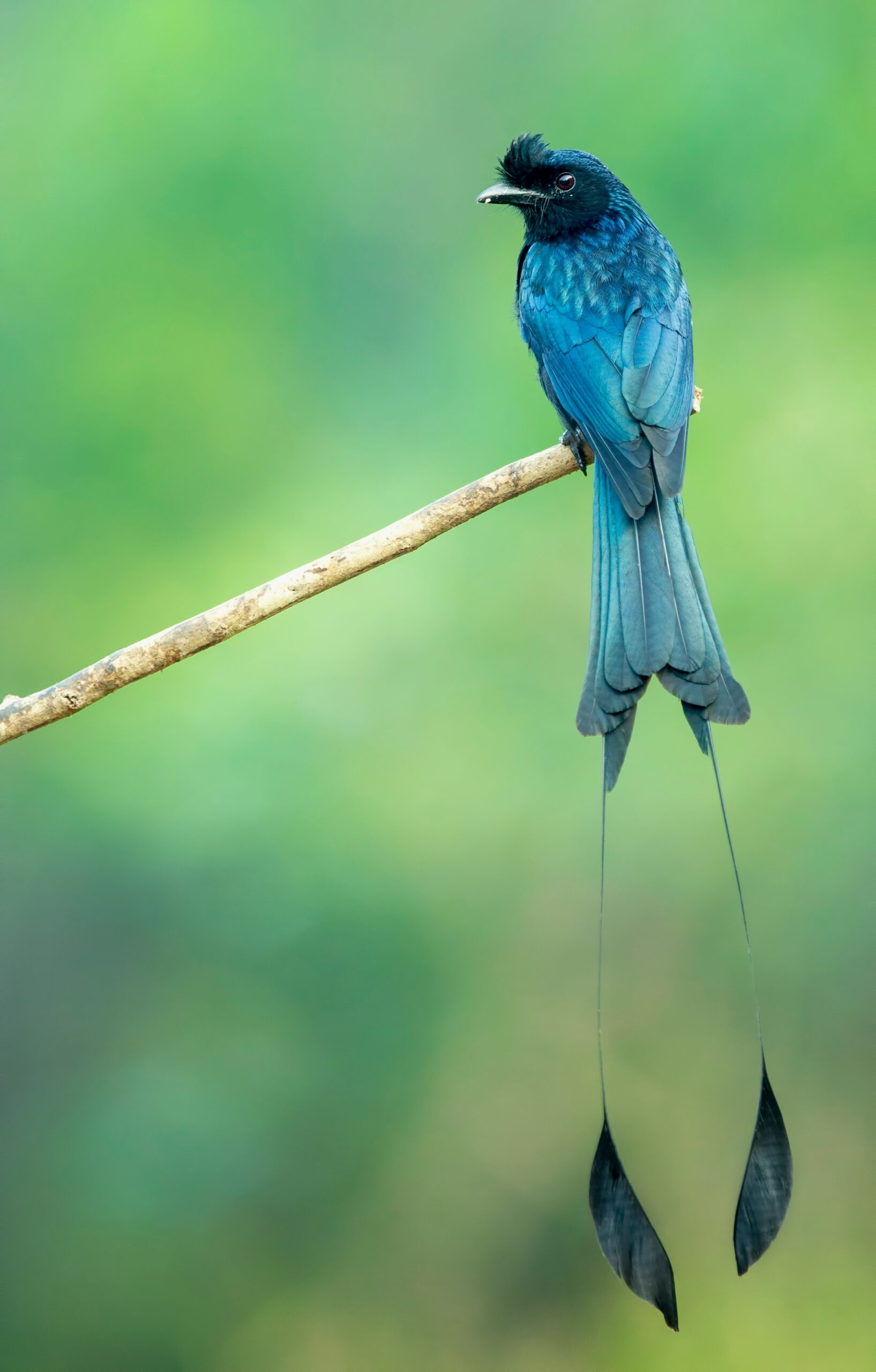 The lake is home to a remarkable range of waterbirds, many of which can be seen year-round. Among the most frequently encountered species are African fish eagles, pied kingfishers, grey herons, little egrets, and great cormorants. Their presence creates a constant rhythm of activity across the shoreline, especially during early morning and late afternoon hours.
The African fish eagle is perhaps the most iconic symbol of birding in Lake Victoria Uganda, often spotted perched on tall trees scanning the water for fish. Its distinctive call echoes across the lake and is instantly recognizable even to first-time visitors.
Kingfishers are equally abundant, with species such as the malachite kingfisher and pied kingfisher displaying dazzling colors and remarkable hunting precision. These birds are commonly seen hovering above shallow waters before diving with incredible speed.
The Legendary Shoebill Stork in Mabamba Bay
No discussion of Lake Victoria birding Uganda is complete without highlighting the shoebill stork. This prehistoric-looking bird is one of Africa’s most sought-after sightings and is best observed in Mabamba Bay Wetland, located west of Entebbe.
The shoebill thrives in papyrus swamps where it feeds on lungfish and other aquatic prey. Its stillness and patience make it one of the most fascinating birds to watch, often remaining motionless for long periods before striking with remarkable accuracy.
Mabamba Bay is one of the few reliable places in East Africa to observe this species in its natural habitat. Early morning canoe excursions offer the best chance for sightings, as mist rises from the swamp and bird activity begins to intensify.
For many travelers, encountering the shoebill becomes the defining moment of their Uganda birding safari.
Papyrus Specialists and Wetland Endemics
Lake Victoria’s papyrus swamps are among the most unique bird habitats in Africa. These dense reed systems support a group of highly specialized species that are rarely seen outside East African wetlands.
The papyrus gonolek, white-winged warbler, and papyrus yellow warbler are among the most notable species associated with these ecosystems. Their dependence on papyrus makes them highly localized, and Lake Victoria remains one of the best regions for observing them.
These birds are often heard before they are seen, their calls emerging from deep within the reeds. For serious birders, the challenge of spotting these elusive species adds depth and excitement to Lake Victoria birding Uganda experiences.
Shoreline and Forest Edge Bird Species
Beyond wetlands, the lake’s shoreline and nearby forest patches support a wide variety of additional species. The Entebbe Botanical Gardens, for example, provide a transitional habitat where waterbirds and forest birds coexist.
Here, travelers may encounter black-headed weavers, African jacanas walking gracefully across floating vegetation, and various species of sunbirds feeding on flowering plants. The mix of habitats creates ideal conditions for bird diversity within a compact area.
The presence of both aquatic and terrestrial species makes birding in Lake Victoria Uganda especially rewarding for photographers and nature enthusiasts seeking varied compositions in a single location.
Seasonal Birding Patterns and Migration
While Lake Victoria offers excellent birding throughout the year, seasonal variations influence species abundance and behavior. The wet seasons typically enhance wetland activity, with increased breeding behavior and heightened visibility of nesting birds.
Migratory species from Europe and Asia also pass through the region, temporarily increasing biodiversity during specific months. These seasonal visitors add another dimension to the birding experience, blending global migration routes with local ecosystems.
Understanding these patterns helps travelers plan more targeted birding experiences, especially when aiming to maximize sightings of both resident and migratory species.
Birding Activities and Experiences on Lake Victoria
Birding on Lake Victoria is not limited to traditional walking safaris. Canoe-based excursions through papyrus swamps offer some of the most immersive wildlife experiences in Uganda. These guided trips allow close access to hidden habitats that are otherwise inaccessible by foot.
Boat rides across the lake also provide excellent opportunities to observe cormorants drying their wings, gulls circling fishing boats, and fish eagles diving for prey. The slow pace of water travel enhances observation time and improves photography conditions.
For many travelers, these experiences transform Lake Victoria birding Uganda into a deeply immersive ecological journey rather than a simple checklist activity.
Conservation and Wetland Protection Efforts
The wetlands of Lake Victoria face ongoing environmental pressures, including urban expansion, fishing activity, and agricultural development. Despite these challenges, several conservation initiatives continue to protect critical habitats, especially in areas like Mabamba Bay.
Community-based conservation programs play a key role in maintaining wetland health while also supporting local livelihoods through eco-tourism. Birding tourism contributes directly to these efforts by providing sustainable income alternatives and encouraging habitat protection.
Responsible birding practices are essential in preserving the long-term viability of waterbirds in Uganda, ensuring that future generations can continue to experience this biodiversity.
Who Should Experience Birding at Lake Victoria
Lake Victoria is suitable for a wide range of travelers, from dedicated ornithologists to casual nature lovers. Its accessibility from Entebbe makes it particularly appealing for short birding excursions as well as longer safari itineraries.
Photographers will find exceptional opportunities due to the varied lighting conditions and reflective water surfaces. Meanwhile, first-time birders benefit from high visibility and abundant species, making identification easier and more rewarding.
Whether combined with gorilla trekking in Bwindi or savannah safaris in Queen Elizabeth National Park, Lake Victoria birding Uganda offers a natural complement to broader wildlife journeys.
Planning a Birding Safari on Lake Victoria
A well-planned birding safari around Lake Victoria typically begins in Entebbe or Kampala, with excursions extending into Mabamba Bay and surrounding wetlands. Early morning departures are recommended to maximize bird activity and lighting conditions.
Comfortable midrange and luxury lodges in Entebbe and nearby areas provide convenient access to birding sites while ensuring a relaxed travel experience. These locations also serve as ideal bases for combining wetland birding with other Uganda safari circuits.
Travelers often integrate Lake Victoria birding with national parks such as Murchison Falls, Kibale Forest, or Bwindi Impenetrable National Park for a more comprehensive wildlife experience.
Conclusion
Lake Victoria stands as one of Uganda’s most important and rewarding birding destinations. Its wetlands, islands, and shoreline ecosystems create a continuous habitat network that supports an extraordinary diversity of birdlife. From the iconic shoebill stork to vibrant kingfishers and hidden papyrus specialists, the region offers a birding experience that is both accessible and deeply immersive.
For anyone interested in Lake Victoria birding Uganda, the experience goes beyond observation—it becomes an exploration of ecological balance, cultural landscapes, and conservation in action.