July 20, 2026
Gorilla Trekking vs Elephant Tracking: Two Ultimate African Experiences
Uganda offers travelers the rare chance to encounter two of Africa’s most awe-inspiring animals within a single trip, and the contrast between them could hardly be more striking. Gorilla trekking vs elephant tracking is a comparison that first-time visitors often bring up when trying to decide how to structure their itinerary, and while both experiences deliver genuine excitement, they come from completely different corners of the safari world, one a demanding, on-foot forest expedition and the other a classic, sweeping savannah encounter from the comfort of a safari vehicle. This guide walks through what each experience actually involves, how they differ in cost, difficulty and emotional impact, and why combining both remains one of the most rewarding ways to experience Uganda’s extraordinary wildlife diversity.
Understanding What Each Experience Actually Involves
Before comparing the two head to head, it helps to be precise about what each term actually describes, since the words trekking and tracking carry very different meanings depending on the animal involved. Gorilla trekking Uganda experiences involve a genuine on-foot expedition through dense rainforest in Bwindi Impenetrable National Park or Mgahinga Gorilla National Park, accompanied by armed rangers and trackers who locate a habituated gorilla family before visitors approach on foot for a closely regulated one-hour encounter. Elephant tracking Uganda works quite differently, since Uganda’s elephant populations, found primarily in Queen Elizabeth National Park and Murchison Falls National Park, are not habituated in the same way gorillas are, and visitors experience them almost entirely through vehicle-based game drives and boat safaris rather than a dedicated on-foot trekking permit system. This distinction matters enormously for anyone comparing the two experiences, since it shapes everything from physical demand to overall cost, and understanding it upfront avoids the common misconception that elephant tracking mirrors the structured, foot-based format of gorilla trekking.
Gorilla Trekking: A Physically Demanding, Deeply Personal Encounter
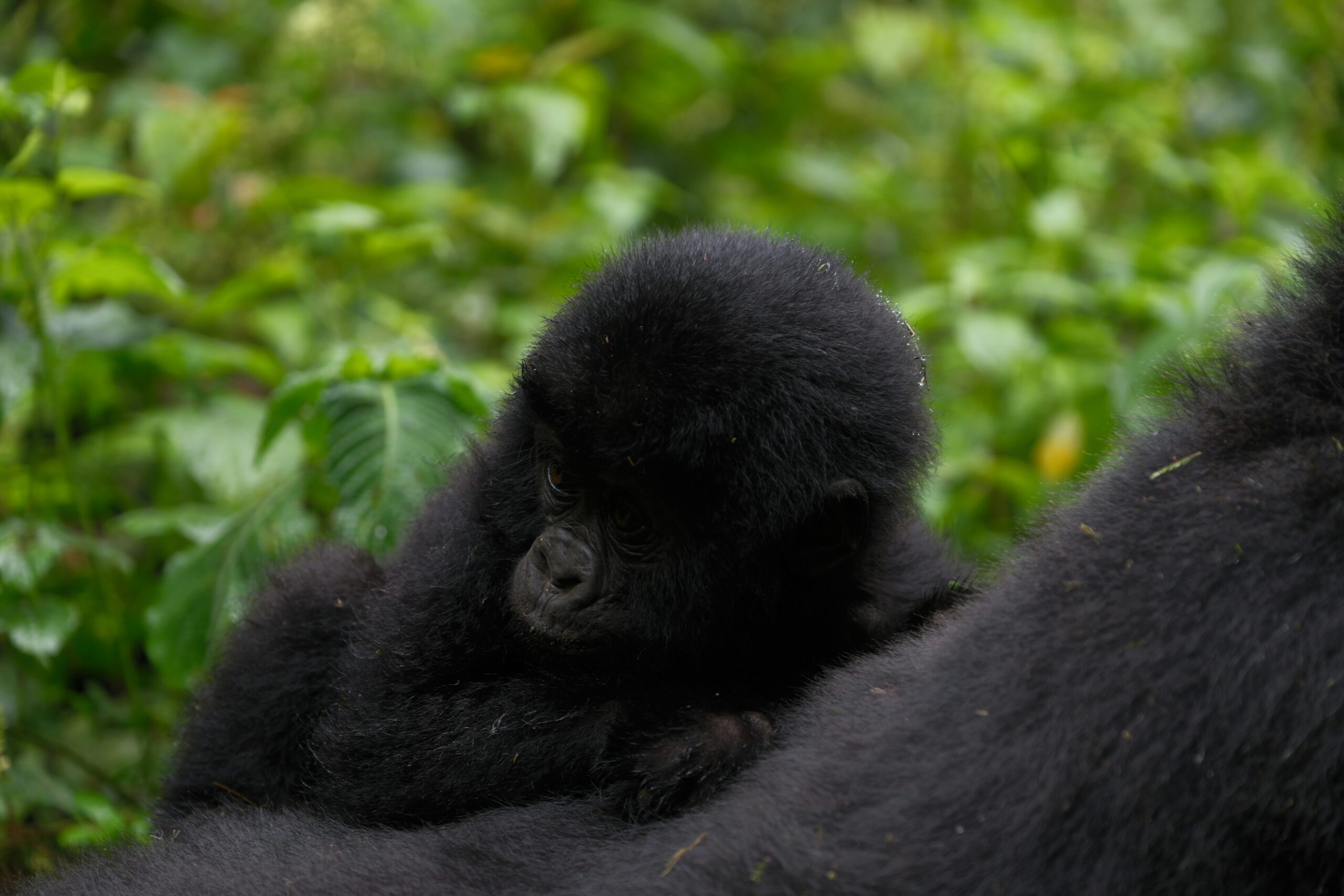 Gorilla trekking remains one of the most sought-after wildlife experiences on the entire African continent, and much of its power comes from the sheer effort required to earn the encounter. Trekkers assemble at a park headquarters early in the morning, receive a briefing from experienced rangers, and then set out into the forest following trackers who have often already located roughly where a specific gorilla family spent the previous night. The hike that follows can range from a relatively gentle hour-long walk to a grueling multi-hour trek across steep, muddy, densely vegetated terrain, and there is no way to know in advance exactly how demanding a given day’s trek will be, since the gorillas move freely and the search adjusts to wherever they happen to be. Once the family is located, visitors are given exactly one hour in their presence, observing habituated gorillas going about entirely natural behavior at remarkably close range, an experience that consistently ranks among the most emotionally powerful wildlife encounters available anywhere in the world. Our [Bwindi Impenetrable National Park guide] breaks down the different trekking sectors and what to expect from each, which is essential reading for anyone weighing how physically demanding their specific trek is likely to be.
The financial commitment reflects just how tightly regulated and conservation-focused gorilla trekking is, with a standard permit costing 800 US dollars per person for foreign non-residents in Uganda, dropping to 600 US dollars during the low season months of April, May and November. This fee funds park entry, ranger and tracker guiding, and the carefully managed hour with the gorilla family, and permits are limited daily per group, which means booking well in advance is essential rather than optional. Uganda Wildlife Authority also enforces a minimum age of 15 for gorilla trekking permits, a reflection of both the physical demands of the trek and the sensitivity of the encounter itself.
Elephant Tracking: Classic Savannah Drama at a Different Pace
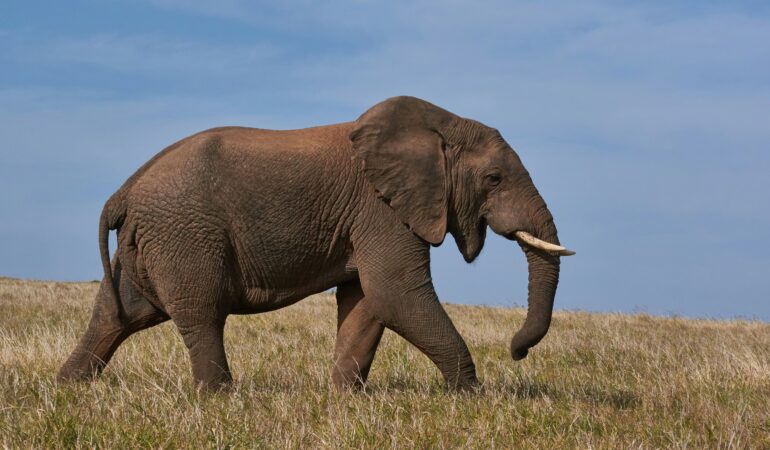
Where gorilla trekking is intimate, effortful and confined to dense forest, elephant tracking in Uganda unfolds across wide open savannah, wetlands and riverine habitat, delivering a completely different kind of thrill built around scale, herd dynamics and the sweeping backdrop of the classic African safari. Queen Elizabeth National Park is one of the country’s premier locations for elephant viewing, with large herds regularly encountered along the Kasenyi Plains game drive circuit, around the Kazinga Channel, and in the dramatic Ishasha sector in the park’s south, an area equally famous for its tree-climbing lions. Boat safaris along the Kazinga Channel offer a particularly rewarding way to see elephants, since herds frequently come down to the water’s edge to drink and bathe, often in full view of passing boats at a distance that allows for extended, unhurried observation without the animals showing any sign of disturbance. Murchison Falls National Park, Uganda’s largest protected area, offers similarly strong elephant viewing opportunities along its game drive tracks north of the Nile, and a boat cruise along the river toward the base of the falls frequently brings travelers close to elephants gathered at the water’s edge.
Unlike gorilla trekking, elephant tracking does not involve a dedicated permit system or a structured on-foot approach, and this fundamentally changes the character of the experience. Sightings happen as part of standard game drives and boat cruises already included in a typical park visit, guided by experienced driver-guides who know the herds’ typical movement patterns and feeding areas, and there is no separate fee beyond standard park entrance charges and vehicle or boat costs. This makes elephant tracking considerably more affordable and accessible than gorilla trekking, and it removes the physical demands entirely, since travelers experience the encounter from the comfort of a safari vehicle or boat rather than on foot through difficult terrain. Our [Queen Elizabeth National Park guide] and our [Murchison Falls National Park guide] both go into detail on the best game drive circuits and boat cruise options for maximizing elephant sightings at each location.
Comparing Cost and Accessibility
The financial gap between the two experiences is one of the starkest points of comparison. A single gorilla trekking permit costs 800 US dollars per person, a considerable investment that most travelers treat as the centerpiece of their entire Uganda trip. Elephant tracking, by contrast, carries no comparable standalone fee, since it is folded into standard park entrance charges and the cost of a game drive vehicle or boat cruise, which are expenses most travelers are already covering as part of a broader safari itinerary regardless of whether elephants are the specific focus. This cost difference makes elephant tracking one of the most accessible premium wildlife experiences available in Uganda, delivering genuinely spectacular sightings without demanding the same kind of dedicated budget planning that gorilla trekking requires. For travelers building a first Uganda itinerary on a tighter budget, this contrast is worth factoring in directly, since a trip heavy on savannah parks like Queen Elizabeth and Murchison Falls can deliver outstanding elephant encounters at a fraction of the cost of a gorilla-trekking-centered itinerary.
Accessibility extends beyond cost into physical demand as well. Gorilla trekking requires a genuine baseline of fitness and a willingness to accept unpredictable, potentially strenuous terrain, which naturally excludes some travelers, including young children, older visitors with mobility concerns, or anyone recovering from injury. Elephant tracking imposes essentially no physical barrier at all, since the entire experience takes place from a seated position in a safari vehicle or boat, making it a genuinely inclusive option that works for travelers of any age or fitness level. Families traveling with young children, who are excluded from gorilla trekking permits under Uganda’s minimum age policy, will find elephant tracking and general game drives offer an equally thrilling, fully accessible alternative that does not compromise on the quality of the wildlife encounter itself.
Comparing the Emotional and Sensory Experience
Where the two experiences diverge most is in the texture of the encounter itself. Gorilla trekking builds slowly through physical effort, uncertainty, and mounting anticipation, culminating in an intensely close, often unsettling first eye contact with a massive silverback or a curious juvenile at just a few meters’ distance, all within dense, quiet forest that amplifies every sound and movement. The closeness of the encounter, combined with how expressive and individually recognizable gorillas become even within a single hour, tends to produce a deeply personal, almost overwhelming emotional response that many travelers describe as genuinely life-changing.
Elephant tracking generates its own distinct kind of awe, built less around intimacy and more around scale, drama and the sweeping theater of savannah life. Watching a herd of twenty or more elephants moving as a coordinated family unit across open grassland, with calves shielded protectively at the center of the group, or observing a solitary bull elephant wading into the Kazinga Channel to drink and bathe against a backdrop of the Rwenzori Mountains, delivers a very different but equally powerful sense of wonder. There is a cinematic, expansive quality to elephant tracking that gorilla trekking, confined to dense forest, simply cannot replicate, and travelers who prioritize classic, wide-open safari scenery alongside their wildlife encounters often find elephant tracking the more visually satisfying of the two experiences, even if it lacks gorilla trekking’s intense, close-quarters intimacy.
Why Combining Both Delivers the Fullest Picture of Uganda
Given how differently these two experiences unfold, and how naturally Uganda’s park network connects them geographically, most well-designed itineraries combine both rather than forcing travelers to choose one over the other. A typical route might begin with several days in Queen Elizabeth National Park or Murchison Falls National Park, covering game drives, boat cruises and outstanding elephant tracking opportunities, before continuing south or west toward Bwindi Impenetrable National Park for the gorilla trekking portion of the trip. This structure allows travelers to experience the full range of what Uganda’s wildlife has to offer, from the sweeping, accessible drama of savannah elephant herds to the intense, effortful intimacy of a forest gorilla encounter, all within a single well-paced journey. The contrast between the two experiences, rather than being a reason to choose one, becomes one of the strongest arguments for a Uganda itinerary that includes both, since each highlights what makes the other so distinctive by comparison. Our [Uganda gorilla and wildlife safari itineraries] page outlines several ready-built routes structured around exactly this kind of combination, pairing savannah park time with a dedicated Bwindi gorilla trekking segment.
Which Experience Should Anchor Your Itinerary
For travelers who can only prioritize one experience due to time or budget constraints, the decision generally comes down to what kind of trip they are seeking. Travelers chasing the single most intense, intimate and widely regarded wildlife encounter on the African continent, with the time, budget and physical fitness to commit to it, should build their itinerary around gorilla trekking, treating everything else as a complement to that central experience. Travelers with a tighter budget, less flexibility for demanding physical activity, or simply a stronger pull toward classic, sweeping savannah safari scenery will find that a Queen Elizabeth or Murchison Falls itinerary centered on game drives, boat cruises and outstanding elephant tracking delivers an exceptional trip in its own right, without requiring the significant investment a gorilla permit demands. Neither path is a lesser choice, and understanding what each experience genuinely offers, rather than assuming one is simply a smaller version of the other, is the key to building a Uganda itinerary that matches what you actually want from the trip.
Planning Your Ultimate Uganda Wildlife Experience
Deciding how to balance gorilla trekking and elephant tracking within a single itinerary is exactly the kind of planning our team at Monumental Expeditions and Safaris works through with travelers every day, structuring routes around realistic pacing, park logistics and each traveler’s specific interests and physical comfort level. If you are weighing how to combine these two ultimate African experiences into a single unforgettable trip, reach out to our team for personalized itinerary advice.