July 24, 2026
Gorilla Trekking Dress Code: What Colors and Clothes to Wear
Preparing for a gorilla trekking safari involves much more than securing a permit and booking accommodation. One of the most overlooked yet essential aspects of the experience is understanding the Gorilla Trekking Dress Code. The clothes you wear directly affect your comfort, safety, and overall enjoyment while hiking through the dense rainforests of Bwindi Impenetrable National Park, Mgahinga Gorilla National Park, Volcanoes National Park in Rwanda, or Virunga National Park in the Democratic Republic of Congo.
Unlike a traditional game drive where visitors remain inside a safari vehicle, gorilla trekking takes place on foot through thick vegetation, muddy trails, steep hills, and humid tropical forests. These conditions require practical clothing designed to protect you from weather, insects, thorny plants, and uneven terrain while allowing you to move comfortably for several hours.
At Monumental Gorilla Tours, we help every traveler prepare thoroughly for their gorilla safari by providing expert advice on clothing, equipment, and trekking essentials. Dressing appropriately ensures you can focus on the unforgettable experience of meeting endangered mountain gorillas rather than dealing with avoidable discomfort.
Why the Gorilla Trekking Dress Code Matters
The Gorilla Trekking Dress Code is not about fashion or appearance. It is designed to protect visitors while minimizing disturbance to the natural environment. Gorilla trekking takes place in tropical montane forests where conditions can change quickly. Bright sunshine may suddenly give way to heavy rain, while dry paths can become muddy within minutes.
Dense vegetation often includes stinging nettles, thorny shrubs, vines, and rough branches that can scratch exposed skin. Long clothing acts as a protective barrier against cuts, insect bites, and irritating plants. Proper attire also helps regulate body temperature in the humid forest environment, reducing fatigue during long hikes.
Choosing suitable clothing enhances both safety and comfort, allowing you to fully appreciate one of Africa’s greatest wildlife experiences.
Choosing the Best Colors for Gorilla Trekking
One of the most common questions travelers ask concerns the best colors to wear. The recommended Gorilla Trekking Dress Code emphasizes neutral, earth-toned colors such as olive green, khaki, brown, dark green, grey, and muted beige.
These colors blend naturally into the forest environment without attracting unnecessary attention from wildlife or insects. Neutral shades also hide mud stains better than lighter colors, which is particularly useful since rainforest trails are often muddy.
Bright colors such as red, yellow, orange, neon green, or bright pink are generally discouraged. Although mountain gorillas are accustomed to human visitors, muted colors create a more natural presence in the forest and reduce unnecessary visual distraction.
Dark blue and black clothing should also be used cautiously because these colors may attract tsetse flies in some safari areas, particularly when combining gorilla trekking with wildlife safaris in Uganda or other East African destinations.
Long-Sleeved Shirts Are Essential
A lightweight long-sleeved shirt is one of the most important items recommended under the Gorilla Trekking Dress Code. Long sleeves protect your arms from scratches caused by vegetation while reducing exposure to mosquitoes and other biting insects.
Choose moisture-wicking fabrics that allow perspiration to evaporate quickly while remaining breathable during strenuous hiking. Modern outdoor hiking shirts made from synthetic performance materials are excellent choices because they dry quickly if caught in rain.
Cotton shirts are less suitable because they absorb moisture and remain damp for long periods, making them uncomfortable during extended treks.
Why Long Trousers Are Highly Recommended
Long hiking trousers are another essential part of the Gorilla Trekking Dress Code. Dense rainforest vegetation often brushes against your legs throughout the trek, making shorts impractical for most visitors.
Lightweight trekking trousers provide protection from thorny bushes, insects, and stinging plants while remaining comfortable during long walks. Many experienced trekkers choose convertible hiking trousers with zip-off legs for flexibility during travel, although the trousers should remain fully extended during the trek itself.
Quick-drying materials are particularly beneficial because forest conditions frequently involve moisture, mud, and occasional rainfall.
Waterproof Jackets for Changing Weather
Rain can occur at almost any time in Bwindi Impenetrable Forest and other gorilla habitats, regardless of the season. Carrying a lightweight waterproof jacket is therefore an important component of the Gorilla Trekking Dress Code.
A breathable rain jacket protects against sudden showers without causing overheating. Compact jackets that fold easily into a daypack are ideal because they can be carried comfortably throughout the hike.
Even during the dry season, experienced guides recommend bringing waterproof outerwear due to the unpredictable nature of rainforest weather.
The Importance of Proper Footwear
Footwear is perhaps the single most important element of the Gorilla Trekking Dress Code. Hiking through steep, muddy, and uneven forest terrain requires sturdy waterproof hiking boots with excellent ankle support.
Boots should have deep tread patterns that provide reliable grip on slippery slopes and wet roots. Waterproof construction helps keep feet dry while crossing muddy sections or walking through wet vegetation.
New boots should always be broken in before your safari to prevent blisters. Comfortable footwear allows you to focus on the experience rather than foot pain.
For a detailed guide, travelers can also read our article on Best Gorilla Trekking Shoes and Boots available on www.monumentalgorillatours.com.
Gaiters Provide Extra Protection
Although often overlooked, gaiters are highly recommended for gorilla trekking. These protective coverings fit over your boots and lower legs, preventing mud, stones, insects, and vegetation from entering your footwear.
In Bwindi’s dense undergrowth, gaiters significantly improve comfort by keeping trousers cleaner and reducing irritation from forest debris.
Many professional guides wear gaiters daily because they offer practical protection during long treks through challenging terrain.
Gloves Make Trekking Easier
Gardening gloves or lightweight hiking gloves are valuable additions to the Gorilla Trekking Dress Code. During steep climbs, trekkers frequently use their hands for balance while holding tree branches, vines, or rocks.
Gloves protect your hands from thorns, rough bark, and stinging plants while providing better grip on slippery surfaces.
Simple work gloves are usually sufficient and occupy very little space in your daypack.
Hats and Sun Protection
Although much of the trek takes place beneath forest canopy, certain sections involve open areas where sunlight can be intense.
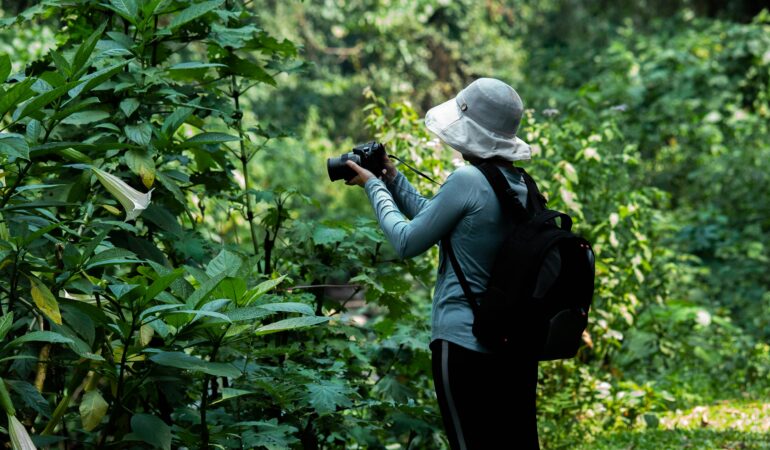
A wide-brimmed hat or lightweight cap provides protection from direct sunlight while also shielding your face during light rain.
Sunscreen should still be applied, particularly on exposed areas such as the face, neck, and hands, even when trekking under forest cover.
Layering Is the Best Strategy
The weather in mountain forests changes throughout the day. Early mornings are often cool, afternoons become warm during hiking, and rain showers may occur unexpectedly.
The Gorilla Trekking Dress Code is therefore best approached using layers. Begin with a lightweight moisture-wicking base layer, followed by a breathable long-sleeved hiking shirt and carry a waterproof jacket for changing conditions.
Layering allows you to adjust clothing as temperatures change without becoming uncomfortable.
Clothing to Avoid During Gorilla Trekking
Certain clothing choices should be avoided because they reduce comfort or increase risk.
Shorts expose legs to scratches, insect bites, and stinging vegetation. Sandals and casual trainers provide inadequate grip and protection for muddy forest trails.
Heavy denim jeans become uncomfortable when wet and restrict movement during steep climbs.
Bright clothing is generally discouraged, while excessive jewelry and loose accessories can become snagged on vegetation.
Comfort, practicality, and safety should always take priority over style.
Dressing for Different Seasons
The Gorilla Trekking Dress Code remains largely the same throughout the year because Bwindi and other gorilla habitats experience rain in every season.
During the wetter months of March to May and October to November, waterproof clothing becomes even more important, and extra socks may be useful.
During the relatively drier months from June to September and December to February, lighter layers may be more comfortable, but waterproof gear should still be carried.
Regardless of season, proper hiking boots, long sleeves, and long trousers remain essential.
Accessories That Complete Your Trekking Outfit
In addition to clothing, several accessories improve comfort and convenience during gorilla trekking.
A small waterproof backpack is useful for carrying water, snacks, cameras, rain gear, and personal items. Reusable water bottles help maintain hydration during the hike.
Insect repellent reduces mosquito bites, while sunglasses may be useful during open sections of the trail.
A walking stick, usually provided at the park headquarters, greatly improves balance on steep slopes and muddy paths.
Why Proper Clothing Improves Your Experience
Following the recommended Gorilla Trekking Dress Code allows you to enjoy the experience with confidence. Instead of worrying about scratches, wet clothing, slipping, or insect bites, you can concentrate on the remarkable opportunity to observe mountain gorillas in their natural environment.
Appropriate clothing also improves safety, reduces fatigue, and enhances overall comfort throughout what can be several hours of hiking in one of Africa’s most biodiverse forests.
When you are properly equipped, every step through the rainforest becomes part of an unforgettable adventure.
Plan Your Gorilla Trek with Monumental Gorilla Tours
At Monumental Gorilla Tours, we believe that thorough preparation is essential for a successful gorilla safari. Our experienced team provides comprehensive guidance on permits, accommodation, transportation, fitness preparation, and the recommended Gorilla Trekking Dress Code to ensure you arrive fully prepared.
We organize customized gorilla trekking safaris to Bwindi Impenetrable National Park, Mgahinga Gorilla National Park, Rwanda’s Volcanoes National Park, and Virunga National Park in the Democratic Republic of Congo. Whether you are traveling alone, with family, or as part of a group, we create personalized itineraries that match your interests, schedule, and budget.
Visit Monumental Gorilla Tours to explore our gorilla trekking packages, learn more about Uganda’s incredible mountain gorillas, and begin planning the adventure of a lifetime. Our safari specialists are ready to help you choose the perfect itinerary and ensure every detail of your journey is professionally arranged.