July 24, 2026
Gorilla Habituation Experience Bwindi: Full Guide
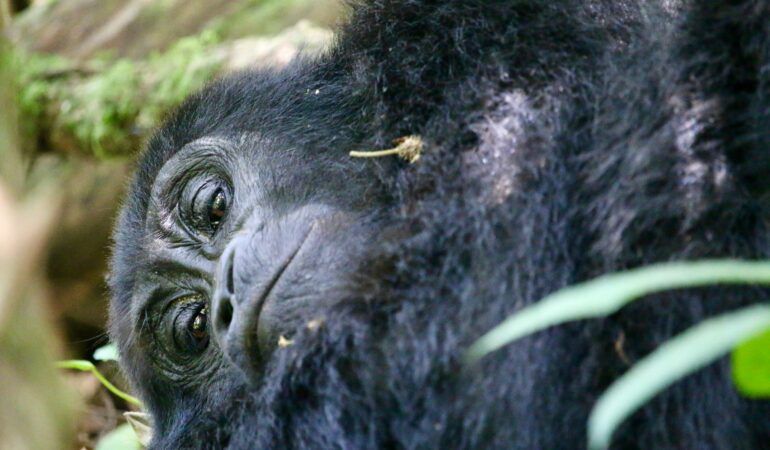
The Gorilla Habituation Experience Bwindi is one of the most exclusive and immersive wildlife encounters in Africa. Unlike standard gorilla trekking, where visitors spend one hour with a fully habituated gorilla family, this experience allows you to spend up to four hours with semi-habituated mountain gorillas still undergoing the process of becoming accustomed to human presence.
This rare activity takes place in Bwindi Impenetrable National Park in southwestern Uganda, specifically in the Rushaga sector, which is the only area in Bwindi where gorilla habituation is permitted. It offers a deeper, more scientific, and more intimate understanding of mountain gorilla behavior, making it ideal for serious wildlife enthusiasts, researchers, photographers, and travelers seeking a more extended and meaningful encounter.
At Monumental Gorilla Tours, we organize tailored gorilla habituation safaris in Bwindi, ensuring travelers experience this rare opportunity with expert guides, proper permits, and well-planned logistics.
Understanding Gorilla Habituation in Bwindi
The Gorilla Habituation Experience Bwindi is a controlled conservation process where wild gorilla groups are gradually introduced to human presence under strict supervision by Uganda Wildlife Authority researchers and trackers.
Habituation is not a single event but a long-term process that can take several years. During this time, researchers visit gorilla families daily, observing their behavior, reducing their fear of humans, and ensuring they remain wild but tolerant enough for tourism and research interaction.
Unlike fully habituated gorilla families used in standard trekking, habituation groups are still in transition, which makes the experience more unpredictable, raw, and authentic.
Visitors accompany researchers and rangers during this process, gaining firsthand insight into gorilla behavior and conservation science.
Where Gorilla Habituation Takes Place in Bwindi
The Gorilla Habituation Experience Bwindi is exclusively conducted in the Rushaga sector of Bwindi Impenetrable National Park.
Rushaga is located in the southern part of Bwindi and is known for its dense forest, high biodiversity, and multiple gorilla families. It is also one of the most important conservation areas in Uganda due to the presence of both habituated and semi-habituated gorilla groups.
The terrain in Rushaga is varied, with steep hills, thick vegetation, and deep forest valleys. This environment provides a natural setting for gorilla habituation while allowing controlled access for researchers and visitors.
What Makes Gorilla Habituation Different from Gorilla Trekking
The main difference between the Gorilla Habituation Experience Bwindi and standard gorilla trekking lies in duration, interaction level, and purpose.
In standard trekking, visitors spend one hour with a fully habituated gorilla family. In contrast, habituation allows up to four hours with gorillas still undergoing training to accept human presence.
This extended time allows for deeper observation of natural behaviors such as feeding, grooming, nesting, and social interactions. It also provides opportunities to follow gorillas as they move through the forest, guided by researchers who are actively studying their behavior.
The experience feels more like a scientific expedition than a tourist activity, offering unmatched insight into gorilla life in the wild.
Gorilla Families Involved in Habituation
The Gorilla Habituation Experience Bwindi involves specific gorilla families in the Rushaga sector that are currently undergoing habituation.
These families are carefully selected based on their temperament, social stability, and ability to gradually tolerate human presence. Unlike fully habituated groups, these families are more sensitive to human interaction and require careful observation and slow movement.
Researchers and trackers closely monitor their daily movements, ensuring that visitor interaction does not disrupt natural behavior or cause stress to the animals.
Because these gorilla groups are still in transition, each habituation encounter is unique and unpredictable, adding to the exclusivity of the experience.
Daily Structure of the Habituation Experience
A typical Gorilla Habituation Experience Bwindi begins very early in the morning with a briefing at Rushaga sector headquarters. Visitors are introduced to the research team, conservation rules, and safety guidelines before entering the forest.
After the briefing, participants join researchers and trackers who lead the search for semi-habituated gorilla families. The trekking process can take several hours depending on the movement of the gorillas.
Once the group is located, visitors spend up to four hours observing and following the gorillas as they go about their daily activities. Unlike standard trekking, there is more flexibility in movement, allowing researchers to adjust positions based on gorilla behavior.
This extended observation period creates a deeper understanding of gorilla social structure, communication, and interaction.
Physical Requirements and Terrain Conditions
The Gorilla Habituation Experience Bwindi takes place in challenging rainforest terrain. Rushaga is known for its steep slopes, thick vegetation, and unpredictable weather conditions.
Participants should be prepared for long hikes, sometimes lasting several hours before reaching the gorillas. The terrain can be muddy and slippery, especially during rainy seasons, requiring sturdy hiking boots and moderate physical fitness.
However, the experience is accessible to most travelers with reasonable fitness levels. Porters are available to assist with carrying bags and providing support during difficult sections of the hike.
The physical challenge is part of what makes the experience authentic and rewarding.
Why the Experience Is So Exclusive
One of the defining features of the Gorilla Habituation Experience Bwindi is its limited availability.
Only a small number of permits are issued each day, and only two visitors are allowed to participate in each habituation group per day. This ensures minimal disturbance to the gorillas and maintains the integrity of the habituation process.
The exclusivity makes this one of the rarest wildlife experiences in Africa. Unlike standard gorilla trekking, which accommodates more visitors, habituation offers a quieter, more immersive encounter with fewer distractions.
This limited access also means permits are highly sought after and must be booked well in advance.
Wildlife and Forest Experience Beyond Gorillas
While the focus of the Gorilla Habituation Experience Bwindi is mountain gorillas, the surrounding forest is rich in biodiversity.
Bwindi Impenetrable Forest is home to numerous primate species, including black-and-white colobus monkeys, L’Hoest’s monkeys, and occasional chimpanzee sightings. Birdlife is equally impressive, with several Albertine Rift endemic species making the forest a paradise for birdwatchers.
The forest itself is ancient, filled with dense vegetation, towering trees, orchids, and medicinal plants that contribute to its ecological importance.
Every habituation trek becomes an immersive rainforest expedition beyond just gorilla observation.
Best Time for Gorilla Habituation in Bwindi
The Gorilla Habituation Experience Bwindi is available year-round, but the best trekking conditions are generally during the dry seasons from June to September and December to February.
During these months, forest trails are less muddy and easier to navigate, making trekking slightly more comfortable. However, Bwindi remains a tropical rainforest, meaning rain can occur at any time.
The wet seasons offer lush green scenery and fewer tourists, creating a more secluded experience despite more challenging hiking conditions.
Conservation Importance of Gorilla Habituation
Gorilla habituation plays a critical role in the long-term conservation of mountain gorillas. By gradually exposing gorilla families to human presence, researchers can study their behavior more closely while preparing them for sustainable tourism.
The revenue generated from habituation permits directly supports conservation programs, anti-poaching efforts, and community development initiatives around Bwindi.
Local communities benefit through employment, tourism revenue sharing, and cultural tourism opportunities, making habituation a key component of Uganda’s conservation success story.
What to Expect Emotionally and Physically
The Gorilla Habituation Experience Bwindi is often described as more intense and emotional than standard gorilla trekking.
Spending extended time with gorillas allows visitors to observe complex behaviors and family interactions that are not always visible during shorter visits. The slow pace of observation creates a deeper emotional connection with the animals and their environment.
Physically, the experience can be demanding due to long trekking hours and uneven terrain, but the reward is a rare and intimate wildlife encounter that few people in the world ever experience.
Why Choose Monumental Gorilla Tours
At Monumental Gorilla Tours, we specialize in organizing the Gorilla Habituation Experience Bwindi, ensuring travelers receive the necessary permits, experienced guides, and seamless logistics for this exclusive adventure.
We tailor each safari based on fitness level, travel schedule, and accommodation preference, ensuring a smooth and well-coordinated experience from start to finish.
Whether combined with a broader Uganda safari or a dedicated gorilla expedition, our team ensures every detail is professionally managed.
Visit Monumental Gorilla Tours to explore customized gorilla habituation safari packages in Bwindi.