August 11, 2026
Game Drives in Queen Elizabeth National Park: What Animals to See
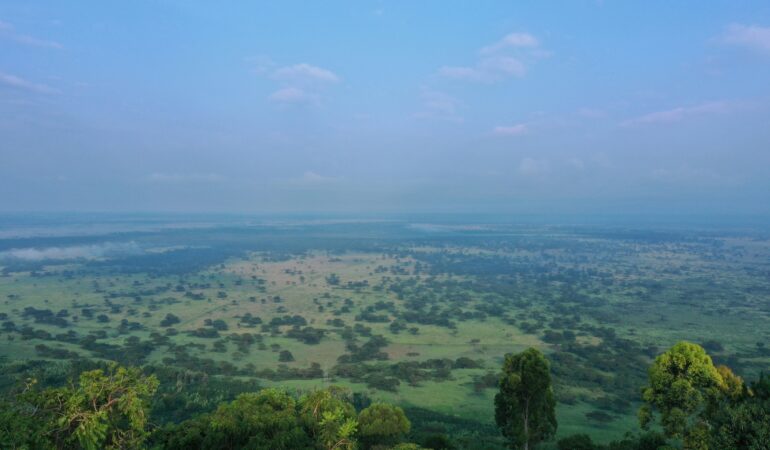
Spanning nearly 2,000 square kilometers of open savanna, crater-studded highland, and dense woodland along the Rift Valley floor, Queen Elizabeth National Park is Uganda’s most biologically diverse protected area and one of the country’s premier destinations for classic African wildlife viewing. Game drives in Queen Elizabeth National Park consistently rank among the highlights of any Uganda safari, offering everything from tree-climbing lions to enormous elephant herds, all set against a backdrop of the Rwenzori Mountains and the shimmering waters of the Kazinga Channel. This guide covers exactly what animals to expect, where to find them, and how to plan game drives that make the most of the park’s varied ecosystems.
Why Queen Elizabeth’s Wildlife Diversity Is So Exceptional
Few parks in Africa pack as much ecological variety into a single protected area as Queen Elizabeth National Park. Straddling the equator in western Uganda, the park spans open grassland plains, dense papyrus swamp, tropical forest patches, volcanic crater lakes, and the natural channel connecting Lake George and Lake Edward. This mix of habitats supports more than 95 recorded mammal species and over 600 bird species, an extraordinary figure that places Queen Elizabeth among the most biodiverse parks on the continent relative to its size.
That diversity means game drives here rarely feel repetitive, even across multiple days, since each sector of the park, Kasenyi, the Kazinga Channel area, Ishasha, and the northern Mweya Peninsula, offers a genuinely different mix of terrain and wildlife. Understanding these sector differences is the key to planning game drives that deliver the sightings you’re most hoping for.
Kasenyi Plains: The Park’s Prime Lion Territory
The Kasenyi Plains, located in the park’s northern sector near Kasese, are widely regarded as the best area for classic predator sightings, particularly lions. Several prides roam this open grassland, and their hunting behavior here follows a fairly predictable pattern tied to the resident Uganda kob population, a medium-sized antelope species that gathers here in extraordinary numbers, drawn to the plains for their dramatic mating rituals known as leks.
Early morning game drives through Kasenyi, typically departing before sunrise, offer the best odds of finding lions still active from a nighttime hunt, often resting near a fresh kill or moving between pride territories as temperatures begin to rise. Beyond lions, Kasenyi regularly delivers sightings of spotted hyena, side-striped jackal, and occasionally leopard, though the latter remains elusive given its more solitary, nocturnal habits.
The sheer density of Uganda kob across these plains also makes Kasenyi one of the most reliable places in the park for general plains-game viewing, along with warthog, buffalo, and, during the right season, waterbuck grazing along the grassland edges.
The Kazinga Channel Area: Elephants, Buffalo, and Concentrated Wildlife
While the Kazinga Channel is best known for its boat cruise, the surrounding roads and viewpoints also offer excellent game drive opportunities, particularly for elephants and buffalo drawn to the channel’s permanent water source and natural salt licks. Large elephant herds are a near-daily sighting along this stretch, often visible from the roadside gathering to drink or wallow in the mud along the banks.
Buffalo herds here can number in the hundreds, moving as a single dense mass across the grassland bordering the channel, an impressive sight that photographers often rank among their favorite Queen Elizabeth memories. Warthogs are common throughout this area as well, along with defassa waterbuck, a subspecies found in this part of Uganda distinguished by the solid white rump patch rather than the ringed pattern seen elsewhere in Africa.
For travelers wanting to combine the water-based wildlife viewing of a boat cruise with a land-based game drive covering similar territory, our detailed guide to the Kazinga Channel boat cruise covers what to expect from the water side of this same ecosystem.
Ishasha Sector: Home to the Famous Tree-Climbing Lions
Located in the park’s remote southern sector, roughly two to three hours from the main Mweya area, Ishasha has earned international recognition for one of Africa’s rarest wildlife behaviors: lions that climb trees. While lions elsewhere occasionally rest in low branches, Ishasha’s prides do so with unusual regularity, often found draped languidly across the thick horizontal limbs of the sector’s distinctive fig trees, a behavior believed to be linked to escaping biting insects and the heat of the savanna floor below.
Spotting these tree-climbing lions requires patience and a good guide, since the behavior isn’t guaranteed on any given drive, but Ishasha’s relative remoteness compared to the busier northern sectors means game drives here often feel considerably quieter and more exclusive, with far fewer vehicles competing for the same sightings.
Beyond the lions, Ishasha supports healthy populations of buffalo, elephant, topi, and Uganda kob, along with the Ishasha River itself, which regularly attracts hippos and occasionally crocodiles along its banks. The sector’s dense riverine forest patches also make it a productive area for birding, with several species found here that are less common in the park’s northern grasslands.
Because of the distance involved, most travelers visiting Ishasha choose to overnight nearby rather than attempting the round trip from Mweya in a single day, allowing for both an evening and early morning game drive to maximize the chances of finding the tree-climbing prides.
The Mweya Peninsula and Northern Sector
The Mweya Peninsula, jutting out into the Kazinga Channel near the park’s main tourism hub, offers convenient, easily accessible game drives right from the doorstep of most northern-sector lodges. While wildlife density here is generally lower than the open Kasenyi Plains, the peninsula’s mixed terrain of grassland and acacia woodland supports good numbers of elephant, buffalo, warthog, and various antelope species, along with occasional leopard sightings in the surrounding woodland.
This area’s real advantage lies in convenience, allowing for shorter game drives that fit easily around a boat cruise or crater lake excursion on the same day, making it a practical base for travelers with limited time who still want a well-rounded sample of the park’s wildlife.
Primates and Smaller Wildlife Across the Park
While Queen Elizabeth is best known for its larger mammals, the park also supports a healthy population of primates, including several troops of vervet monkey and olive baboon commonly encountered along roadsides throughout the park, often approaching vehicles with an opportunistic confidence that visitors should be careful not to encourage through feeding.
The park’s Kyambura Gorge, a dramatic, forested rift valley cutting through the otherwise open savanna, hosts a small population of chimpanzees, offering a shorter, more affordable alternative to full chimpanzee trekking in Kibale Forest for travelers wanting to add a primate encounter to their Queen Elizabeth itinerary without traveling further north. Sightings here are less reliable than in Kibale given the smaller community size, but the gorge itself, often called the Valley of Apes, is a striking landscape in its own right, worth exploring even without a confirmed chimpanzee sighting.
Birdlife Across Queen Elizabeth’s Ecosystems
With more than 600 recorded species, Queen Elizabeth ranks among Africa’s premier birding destinations, and game drives across its varied habitats regularly turn up an impressive cross-section of species even for travelers not specifically focused on birding. The African fish eagle, grey crowned crane, Uganda’s national bird, and various species of bee-eater and kingfisher appear regularly across the park’s water-adjacent areas, while the open plains of Kasenyi support ground-dwelling species such as the black-bellied bustard and long-crested eagle.
Serious birders often extend their time in the park specifically to search for the elusive shoebill stork in the wetland areas near Lake George, a genuinely prehistoric-looking species that draws dedicated birding groups from around the world.
Best Time of Day and Season for Game Drives
As with most African savanna parks, wildlife activity in Queen Elizabeth peaks during the cooler hours of early morning and late afternoon, when predators are most active and herbivores move more freely across open ground before the heat of midday drives most animals into shade. Morning drives, departing before or just after sunrise, consistently offer the best predator sightings, particularly in Kasenyi and Ishasha, while afternoon and early evening drives often deliver excellent elephant and buffalo activity around the Kazinga Channel area as animals return to drink.
Seasonally, the dry months, June through September and December through February, tend to concentrate wildlife more predictably around permanent water sources, making game viewing somewhat easier and more reliable during these windows. The wetter months, March through May and October through November, spread animals more widely across the park’s grasslands as temporary water becomes available, which can mean slightly more searching but often rewards patient travelers with excellent birding conditions and a lush, dramatically green landscape.
Planning Multiple Game Drives Across Sectors
Given how different each sector of Queen Elizabeth feels, travelers with two to three days in the park generally get the most out of their visit by planning drives across more than one area rather than repeating the same route. A common and highly effective structure involves an early morning drive through Kasenyi for lions and plains game, an afternoon Kazinga Channel cruise or drive for elephants and buffalo, and, time permitting, a dedicated excursion south to Ishasha for a chance at the tree-climbing lions, ideally with an overnight stay nearby to allow both an evening and following morning drive.
This kind of sector-spanning approach also pairs naturally with the rest of a western Uganda circuit, since Queen Elizabeth sits conveniently between Kibale Forest to the north and Bwindi Impenetrable Forest to the south, allowing travelers to combine chimpanzee trekking, savanna game drives, and gorilla trekking within a single, well-sequenced itinerary. Our guide to chimpanzee trekking in Kibale Forest covers how that northern leg of the circuit connects with Queen Elizabeth in more detail.
Where to Stay for Easy Access to Game Drives
Lodge location matters considerably when planning game drives, since Queen Elizabeth’s sectors are spread across a large area and driving between them takes real time. Properties around Mweya Peninsula and the northern Kasenyi area offer the most convenient access to the park’s best lion territory and the Kazinga Channel, while a handful of dedicated camps near Ishasha allow travelers to base themselves directly within that southern sector for a night or two, maximizing the chances of a tree-climbing lion sighting without a long return drive each day.
Planning Your Queen Elizabeth Safari with Monumental Gorilla Tours
Game drives in Queen Elizabeth National Park deliver some of the most varied and rewarding wildlife viewing anywhere in Uganda, from Kasenyi’s reliable lion prides and enormous kob herds to Ishasha’s famous tree-climbing lions and the elephant-lined banks of the Kazinga Channel. Structured well, a few days here can rival any classic East African savanna safari, all within a single, well-connected corner of Uganda’s western circuit.
Our team at Monumental Gorilla Tours builds Queen Elizabeth game drives into wider itineraries connecting chimpanzee trekking in Kibale Forest, a Kazinga Channel boat cruise, and gorilla trekking further south in Bwindi Impenetrable Forest, creating a complete, seamlessly organized wildlife safari. If you’re planning your route, our guide to the Kazinga Channel boat cruise pairs naturally with this one for a fuller picture of what the park offers. When you’re ready to plan your trip, reach out to our safari specialists for a tailored itinerary built around the sectors, seasons, and wildlife experiences that matter most to you.
However your game drives are structured, Queen Elizabeth’s landscape of open plains, volcanic craters, and channel-side wildlife offers a genuinely different, and equally memorable, side of Uganda’s safari story, one well worth building into any trip centered around the country’s mountain gorillas.