July 31, 2026
Big Five vs Great Apes Safari: Two Very Different Experiences
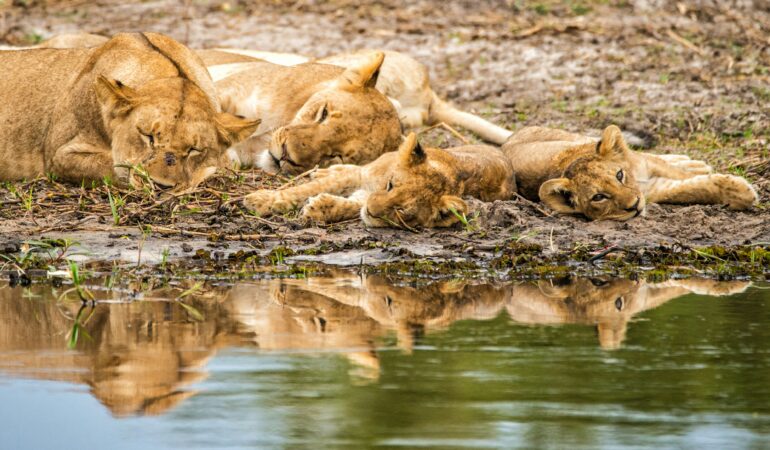
The debate around Big Five vs great apes safari is one of the most fascinating discussions in African travel. Both experiences represent the pinnacle of wildlife tourism, yet they deliver completely different emotional, ecological, and visual encounters.
A Big Five safari Africa experience is defined by vast savannah landscapes, open plains, and the thrill of tracking lions, elephants, buffaloes, leopards, and rhinos across iconic national parks. In contrast, a great apes safari East Africa focuses on dense rainforests, intimate encounters, and emotionally powerful moments spent observing gorillas and chimpanzees in their natural habitats.
Rather than competing experiences, they are complementary journeys into two very different worlds of African wilderness. Travelers who understand this distinction often choose to combine both for a more complete safari experience.
Uganda, in particular, is one of the few destinations where both Big Five wildlife viewing and great ape trekking can be experienced within a single itinerary, making it a standout destination for Uganda safari experiences.
Understanding the Big Five Safari Experience
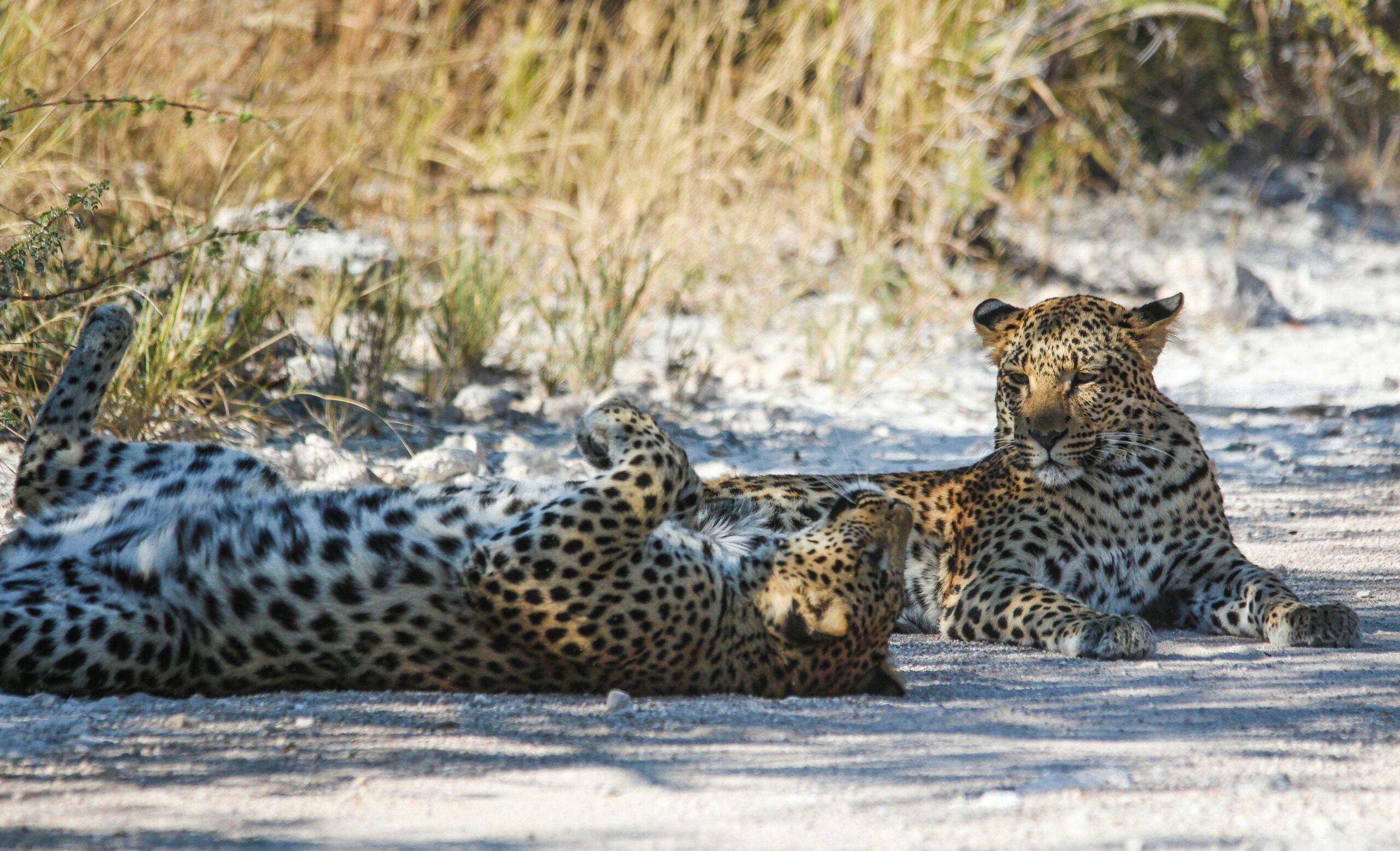 The term Big Five safari Africa originates from early hunting terminology, referring to the five most difficult animals to hunt on foot. Today, it represents the most iconic wildlife viewing experience on the continent.
The Big Five include lions, elephants, buffaloes, leopards, and rhinoceroses. These animals are typically found in savannah ecosystems where open landscapes allow for long-distance wildlife viewing.
In East Africa, destinations such as Queen Elizabeth National Park, Murchison Falls National Park, and nearby Serengeti ecosystems provide excellent opportunities for Big Five sightings.
A Big Five safari is visually expansive. Game drives cover wide landscapes, allowing travelers to witness predator-prey interactions, large herds, and dramatic hunting scenes.
It is a safari defined by scale, movement, and the thrill of spotting iconic species across open terrain.
Understanding the Great Apes Safari Experience
A great apes safari East Africa is fundamentally different in both environment and emotional tone. Instead of open savannahs, travelers enter dense tropical rainforests where visibility is limited and encounters are intimate.
The focus is on mountain gorillas and chimpanzees, two of humanity’s closest relatives in the animal kingdom.
In Uganda, gorilla trekking Uganda in Bwindi Impenetrable National Park is the most famous great ape experience in the world. Visitors hike through thick forest terrain to spend one hour observing gorilla families in their natural environment.
Chimpanzee tracking in Kibale Forest offers a similarly immersive experience, with active forest walks that bring travelers close to fast-moving primates in their natural habitat.
Unlike Big Five safaris, great ape experiences are slower, quieter, and emotionally intense. They emphasize connection, observation, and conservation awareness.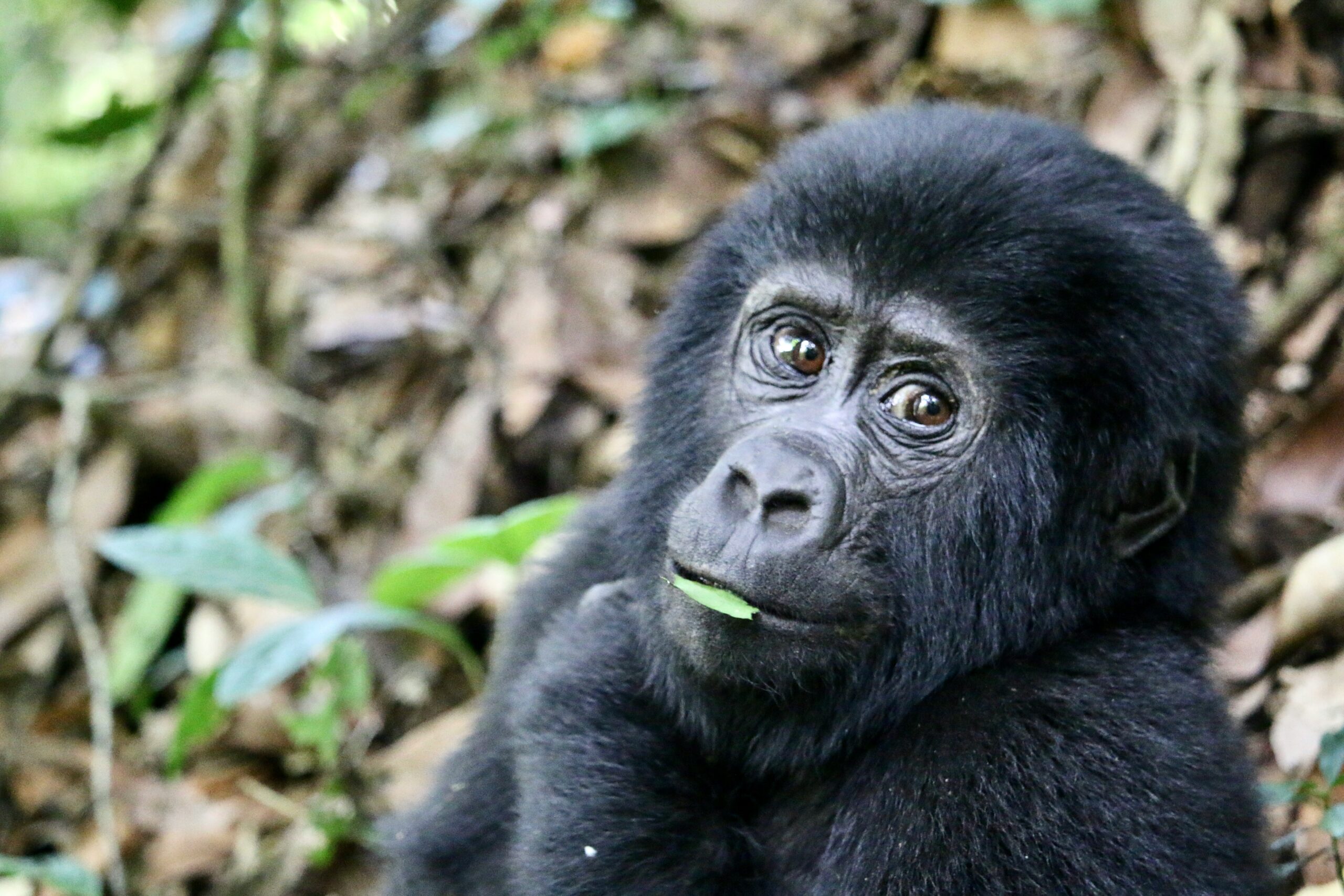
Landscape Differences Between the Two Safaris
One of the most obvious contrasts in the Big Five vs great apes safari comparison is the landscape.
Big Five safaris take place in wide, open ecosystems such as savannah grasslands, river valleys, and acacia-dotted plains. These environments allow for long-distance viewing and dramatic photographic opportunities.
Great ape safaris, on the other hand, occur in dense tropical rainforests and mountainous terrain. Visibility is often limited to a few meters, requiring trackers and guides to lead visitors through vegetation.
This difference in environment shapes the entire experience. Big Five safaris are about scanning horizons, while great ape safaris are about immersive exploration within the forest.
Emotional Experience: Thrill vs Connection
The emotional tone of these two safari types is dramatically different.
A Big Five safari Africa experience often delivers adrenaline-filled moments—watching a lion stalk prey, witnessing elephants crossing rivers, or encountering a leopard resting in a tree.
The excitement comes from unpredictability and scale.
In contrast, a great apes safari East Africa experience is emotionally intimate. Sitting quietly near a gorilla family, observing their interactions, watching mothers care for infants, or witnessing chimpanzees communicate creates a deeply personal connection.
Many travelers describe gorilla trekking as life-changing because of this emotional depth.
Both experiences are powerful, but they engage travelers in completely different ways.
Uganda as a Dual Safari Destination
One of the strongest advantages of planning a safari in Uganda is the ability to combine both experiences.
Uganda offers excellent Big Five wildlife viewing in parks like Queen Elizabeth National Park and Murchison Falls National Park, while also providing world-class gorilla trekking Uganda experiences in Bwindi Impenetrable National Park and Mgahinga Gorilla National Park.
This combination makes Uganda one of the most complete safari destinations in Africa.
A typical itinerary might include game drives through savannah landscapes followed by gorilla trekking in dense rainforest, creating a well-balanced Uganda safari experiences package.
Wildlife Viewing Style Differences
The viewing style in each safari type also differs significantly.
On a Big Five safari, wildlife is observed from a safari vehicle across long distances. Binoculars are often used to track movement, and sightings can include large herds and predator interactions.
In a great ape safari, wildlife viewing is conducted on foot in small groups. Visitors follow trained trackers through the forest until they locate a gorilla or chimpanzee family.
Once found, the experience becomes stationary, with participants observing behavior at close range.
This contrast between mobile observation and stationary immersion is central to the African wildlife safari comparison.
Physical Demands and Accessibility
Big Five safaris are generally less physically demanding. Most wildlife viewing takes place from vehicles, making it suitable for travelers of all ages and fitness levels.
Great ape safaris, especially gorilla trekking, require moderate to high physical effort. Hiking through rainforest terrain can take several hours depending on gorilla location.
Chimpanzee tracking is typically less demanding but still involves forest walking.
This difference is important when planning itineraries, especially for families or older travelers.
Conservation Impact of Each Safari Type
Both safari types contribute significantly to conservation but in different ways.
Big Five safari revenue supports anti-poaching efforts, park management, and wildlife protection across savannah ecosystems.
Great ape tourism has a direct and measurable impact on primate conservation. In Uganda, gorilla trekking permits fund protection programs, community development, and veterinary care for endangered mountain gorillas.
Without tourism revenue, gorilla populations would remain critically endangered.
This makes gorilla trekking Uganda one of the most successful conservation tourism models in the world.
Photography Differences
Photography opportunities also vary significantly.
Big Five safaris offer wide-angle landscape photography, action shots of predators, and dramatic sunrise or sunset scenes.
Great ape safaris focus on close-up portrait photography, behavioral documentation, and emotional storytelling.
Lighting conditions in forests can be challenging due to canopy cover, while savannahs offer more predictable lighting.
Both styles require different photographic approaches and equipment.
Best Destinations for Each Safari Type
For Big Five safaris in East Africa, popular destinations include Murchison Falls National Park, Queen Elizabeth National Park, Serengeti National Park, and Maasai Mara.
For great ape safaris, Uganda is the leading destination with Bwindi Impenetrable National Park and Kibale Forest National Park offering world-class experiences.
This makes Uganda one of the few countries where both safari types can be experienced within a single trip.
Combining Big Five and Great Apes Safaris
Rather than choosing one over the other, many travelers now combine both experiences.
A combined itinerary might start with game drives in savannah parks before transitioning into forest trekking for gorillas and chimpanzees.
This combination provides a complete African wildlife safari comparison experience, showcasing both the scale of savannah ecosystems and the intimacy of rainforest encounters.
Uganda is particularly well-suited for this combination due to its compact geography and diverse ecosystems.
Who Should Choose Each Safari Type?
A Big Five safari is ideal for travelers who enjoy classic game drives, wide landscapes, and frequent wildlife sightings.
A great apes safari is better suited for travelers seeking emotional, immersive, and conservation-focused experiences.
Adventure travelers, photographers, and wildlife enthusiasts often prefer combining both for a more complete journey.
Why Choose Monumental Gorilla Tours
Monumental Gorilla Tours specializes in designing customized itineraries that combine Big Five vs great apes safari experiences into seamless East African journeys.
Our itineraries are carefully structured to include Uganda’s best wildlife parks alongside world-famous gorilla trekking destinations.
We ensure that travelers experience both savannah and rainforest ecosystems while maintaining comfort, safety, and expert guiding throughout the journey.
Whether you are interested in Big Five safari Africa, gorilla trekking Uganda, or a combined itinerary, we create personalized safari experiences that match your travel goals.