June 23, 2026
All Gorilla Families in Bwindi Impenetrable Forest: Complete Guide
The Bwindi Impenetrable Forest is home to one of the largest populations of mountain gorillas in the world, making it the most important gorilla trekking destination on the planet. Within this dense rainforest, several habituated gorilla groups, commonly referred to as Bwindi gorilla families, have been carefully trained over years to tolerate human presence for tourism and research purposes.
These gorilla families are spread across the four trekking sectors of Bwindi—Buhoma, Ruhija, Rushaga, and Nkuringo. Each family has its own social structure, behavior patterns, size, and movement territory, which makes every trekking experience unique.
Understanding the different Bwindi gorilla families is essential for travelers planning a gorilla trekking safari in Uganda, as it helps set expectations for trekking difficulty, location, and encounter style.
At Monumental Gorilla Tours, we help travelers match the right gorilla family sector with their fitness level, travel preferences, and overall safari itinerary to ensure a smooth and rewarding experience.
Understanding Bwindi Gorilla Families
The term Bwindi gorilla families refers to habituated groups of mountain gorillas that have been gradually accustomed to human presence through a long conservation process. This process can take several years and is carefully managed by Uganda Wildlife Authority and research teams.
Each gorilla family is led by a dominant silverback, who is responsible for protecting, guiding, and maintaining order within the group. A typical gorilla family may consist of several females, juveniles, infants, and subordinate males known as blackbacks.
Bwindi currently hosts over 20 habituated gorilla families, making it one of the richest gorilla trekking destinations in Africa. These families are distributed across different sectors of the forest, allowing controlled tourism flow and reducing human impact on any single area.
Buhoma Sector Gorilla Families
The Buhoma sector is the oldest and most established trekking region in Bwindi Impenetrable Forest and is home to some of the most famous Bwindi gorilla families.
The Mubare gorilla family holds historical significance as the first group to be habituated for tourism in Uganda. This group marked the beginning of gorilla trekking in Bwindi and remains an important conservation milestone.
The Habinyanja family is one of the largest and most dynamic gorilla groups in Buhoma, known for its strong silverback leadership and occasional internal shifts in dominance.
The Rushegura family is often considered more relaxed and is known for staying closer to the forest edge, making it one of the more accessible trekking groups in Buhoma.
These families offer relatively moderate trekking experiences compared to other sectors, making Buhoma ideal for first-time gorilla trekkers.
Ruhija Sector Gorilla Families
The Ruhija sector, located at a higher altitude in Bwindi, hosts several important Bwindi gorilla families that thrive in cooler and more mountainous terrain.
The Bitukura family is known for its peaceful nature and stable group structure, making it one of the most harmonious gorilla families in Bwindi. It was habituated relatively quickly compared to others due to its calm behavior.
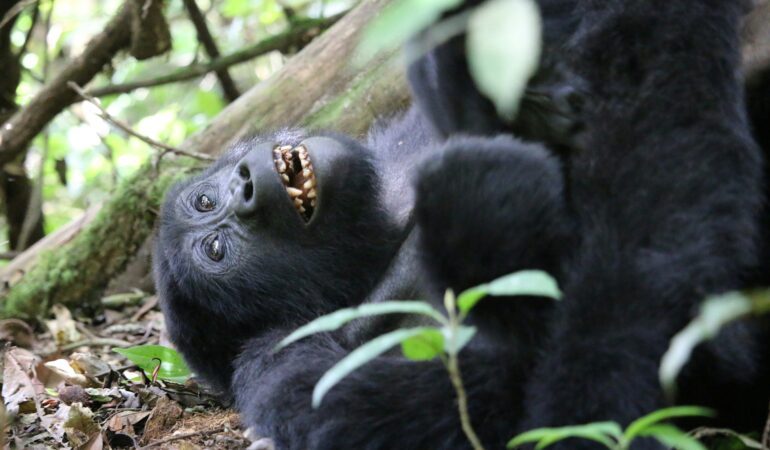
The Oruzogo family is one of the more energetic groups, often observed engaging in playful interactions among juveniles, which makes it a favorite among photographers.
The Kyaguliro family is primarily used for research purposes and has contributed significantly to scientific understanding of mountain gorilla behavior.
Trekking in Ruhija tends to be more physically demanding due to steep slopes and higher altitude, but it offers rewarding views and fewer tourist crowds.
Rushaga Sector Gorilla Families
The Rushaga sector in southern Bwindi is the most diverse in terms of Bwindi gorilla families, offering the highest number of habituated groups for trekking.
The Nshongi family was once the largest known gorilla group in Bwindi, although it later split into smaller groups due to natural social dynamics.
The Mishaya family is known for its strong and sometimes aggressive silverback, making encounters particularly dynamic and memorable.
The Kahungye family is a relatively large group with a complex social structure, often moving through dense forest areas.
The Bweza family and Busingye family are also part of Rushaga’s diverse gorilla population, each with distinct behaviors and movement patterns.
Rushaga is also the only sector offering gorilla habituation experiences, where visitors spend extended time with semi-habituated gorilla groups.
Nkuringo Sector Gorilla Families
The Nkuringo sector is located in the southern part of Bwindi and is known for its dramatic landscapes and physically demanding treks. It hosts some of the most challenging but rewarding Bwindi gorilla families.
The Nkuringo family was the first gorilla group to be habituated in this sector and is known for its strong silverback leadership and large territory range.
The Bushaho family was formed after a natural split from Nkuringo and is known for its adaptability and frequent movement across steep terrain.
The Christmas family is another well-known group in this sector, often moving across challenging forest slopes that require good physical fitness from trekkers.
Nkuringo offers some of the most scenic trekking routes in Bwindi, with panoramic views of the Virunga Volcanoes and surrounding forested hills.
How Gorilla Families Are Assigned to Visitors
When visiting Bwindi, trekkers are assigned to different Bwindi gorilla families based on several factors including fitness level, trekking difficulty, permit allocation, and group availability.
Each morning, Uganda Wildlife Authority rangers assign groups after a briefing session at the park headquarters. The goal is to balance visitor distribution across families while ensuring safety and minimizing environmental impact.
While visitors cannot choose a specific gorilla family in advance, experienced safari operators such as Monumental Gorilla Tours can help recommend the best trekking sector based on your preferences and travel conditions.
Behavior Differences Among Bwindi Gorilla Families
Each of the Bwindi gorilla families has unique behavioral traits that make every trekking experience different.
Some families are more stationary and easier to locate, while others move across large territories requiring longer hikes. Certain groups are more playful, especially those with many juveniles, while others are more protective and dominated by strong silverbacks.
These differences make Bwindi one of the most dynamic gorilla trekking destinations in Africa, where no two trekking experiences are ever the same.
Conservation and Protection of Gorilla Families
The survival of Bwindi gorilla families is one of Africa’s greatest conservation success stories. Decades ago, mountain gorillas were critically endangered due to poaching, habitat loss, and human encroachment.
Through strict protection, community involvement, and regulated tourism, Uganda has successfully increased the gorilla population in Bwindi. Each gorilla family is monitored daily by trained trackers who follow their movements, health, and social structure.
Tourism revenue plays a critical role in funding conservation efforts, supporting local communities, and ensuring long-term protection of gorilla habitats.
Best Time to Visit Bwindi Gorilla Families
The Bwindi gorilla families can be visited throughout the year, but the dry seasons from June to September and December to February offer more favorable trekking conditions.
During these months, forest trails are less muddy and visibility is better. However, gorilla trekking remains possible year-round, and rainy seasons often provide lush vegetation and fewer tourists.
The choice of timing often depends on personal preference, budget, and overall safari planning.
What to Expect During a Gorilla Family Trek
Trekking one of the Bwindi gorilla families involves hiking through dense rainforest terrain accompanied by experienced rangers and trackers.
The duration of the trek varies depending on gorilla movement, ranging from one hour to several hours. Once the family is located, visitors are allowed one hour of observation.
This time is strictly regulated to ensure minimal disturbance while allowing visitors to observe natural behaviors such as feeding, grooming, playing, and resting.
The encounter is often described as emotional and transformative, offering a rare connection with one of humanity’s closest relatives.
Why Choose Monumental Gorilla Tours
Planning a safari to visit Bwindi gorilla families requires careful coordination of permits, accommodation, transport, and trekking logistics. At Monumental Gorilla Tours, we specialize in organizing seamless gorilla trekking experiences across Bwindi’s sectors.
We help travelers choose the right trekking region, secure permits, arrange accommodation, and provide experienced guides who ensure a smooth safari experience from arrival to departure.
Visit Monumental Gorilla Tours to explore customized Uganda gorilla trekking packages and begin planning your journey into Bwindi Impenetrable Forest.