August 3, 2026
Best Time to Climb Rwenzori Mountains Uganda
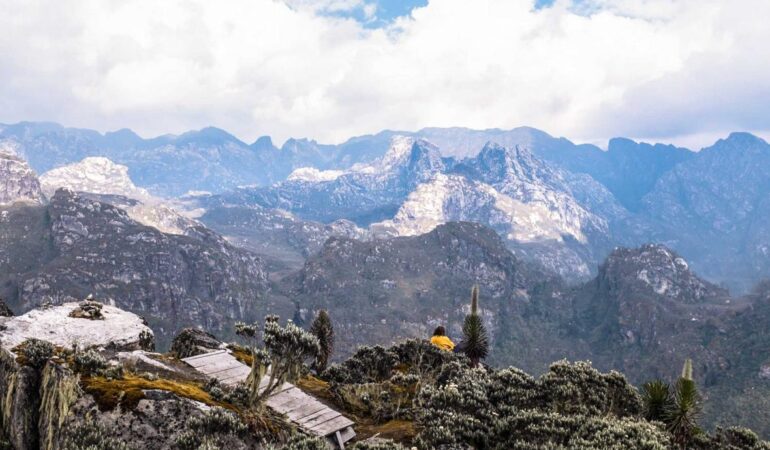
The Rwenzori Mountains, often called the “Mountains of the Moon,” are among Africa’s most spectacular and challenging mountain ranges. Rising dramatically along Uganda’s western border with the Democratic Republic of the Congo, these ancient mountains are home to Africa’s third-highest peak, Margherita Peak, standing at 5,109 meters above sea level. Unlike Mount Kilimanjaro or Mount Kenya, the Rwenzori Mountains are famous for their glacier-capped summits, giant lobelias, moss-covered forests, alpine bogs, and extraordinary biodiversity.
For anyone planning this unforgettable adventure, understanding the Best Time to Climb Rwenzori Mountains Uganda is essential. The weather in the Rwenzori range can change rapidly, and seasonal conditions greatly influence trail accessibility, visibility, river crossings, and the overall trekking experience. Choosing the right time to visit not only improves your chances of enjoying clear mountain views but also makes hiking safer and more comfortable.
Whether your goal is reaching Margherita Peak, completing the Central Circuit Trail, or exploring the lower slopes of Rwenzori Mountains National Park, this guide explains the best seasons, monthly weather patterns, trail conditions, and practical travel tips to help you plan your expedition.
Understanding the Climate of the Rwenzori Mountains
Before deciding on the Best Time to Climb Rwenzori Mountains Uganda, it is important to understand why the mountain range experiences such unique weather.
The Rwenzori Mountains sit close to the equator, yet their high elevation creates a cool alpine climate. Moist air from the Congo Basin rises against the mountain slopes, producing frequent rainfall throughout the year. This constant moisture supports lush montane forests, giant heather, alpine meadows, glaciers, and numerous rivers that originate from the mountain.
Unlike many African mountains with clearly defined dry and wet seasons, the Rwenzoris receive rainfall in almost every month. However, there are periods when precipitation decreases significantly, making trekking conditions more favorable.
The weather also varies with altitude. Lower elevations remain warm and humid, while temperatures near the summit often drop below freezing, especially during the night. Snow, ice, and frost are common on the highest peaks, including Margherita Peak.
The Best Seasons to Climb the Rwenzori Mountains
The Best Time to Climb Rwenzori Mountains Uganda is during the two dry seasons, when rainfall is generally lower and trekking conditions are at their best.
The first dry season runs from December to February, while the second extends from June to August. These months offer the highest probability of stable weather, clearer skies, and firmer trails, making them the preferred periods for most climbers.
Although occasional rain can still occur during these seasons, hikers typically experience better visibility and more predictable mountain conditions compared to the wetter months.
These dry periods also reduce the risk of slippery trails, flooded streams, and difficult river crossings that often accompany heavy rainfall.
Climbing During the December to February Dry Season
For many trekkers, December through February represents one of the finest periods for exploring the Rwenzori Mountains.
The mountain receives relatively less rainfall during these months, allowing trails to dry out and making steep ascents easier. Clear mornings frequently provide stunning views of the snow-capped peaks before clouds gather later in the day.
The forests remain lush and green after earlier rains, creating beautiful scenery for photography and wildlife observation. River levels are generally lower, simplifying stream crossings along the trail.
This season is also popular with international visitors escaping winter in Europe and North America, so booking permits, accommodation, and guides several months in advance is recommended.
Why June to August Is Another Excellent Time
The second major dry season, from June to August, is equally suitable for climbing the Rwenzori Mountains.
This period offers relatively cool temperatures, reduced rainfall, and excellent visibility. The alpine landscapes become particularly striking under clear blue skies, while the glaciers and rocky summits stand out dramatically against the surrounding vegetation.
Trail conditions are usually more manageable, making this one of the busiest seasons for trekking companies operating in the park.
Because demand is high, visitors should reserve trekking packages early, especially if planning to climb Margherita Peak.
Is It Possible to Climb During the Rainy Seasons?
Yes, the Rwenzori Mountains can be climbed throughout the year, including during the wetter months of March to May and September to November.
However, these periods require greater preparation and flexibility.
Heavy rainfall often transforms trails into muddy pathways, making progress slower and physically more demanding. Wooden boardwalks become slippery, river crossings more challenging, and cloud cover may obscure mountain views for extended periods.
Despite these challenges, the rainy seasons also reveal the mountains at their greenest. Waterfalls become more spectacular, moss-covered forests appear even more vibrant, and the landscape feels especially wild and untouched.
Experienced trekkers who enjoy solitude often appreciate these quieter months, as visitor numbers are significantly lower.
Monthly Overview of Trekking Conditions
Each month offers a slightly different experience in the Rwenzori Mountains.
January and February generally provide some of the most stable trekking conditions, making them excellent choices for summit attempts.
March introduces heavier rainfall, and trail conditions gradually become wetter. April and May are often the rainiest months, with muddy paths and frequent afternoon showers.
June marks the return of drier weather, followed by July and August, which consistently rank among the best months for climbing.
September begins relatively dry but gradually transitions into another rainy period. October and November experience increased precipitation, although trekking remains possible with appropriate equipment and expectations.
December signals the beginning of another favorable climbing season as rainfall decreases once again.
Trail Conditions Throughout the Year
Trail conditions play a major role in determining the Best Time to Climb Rwenzori Mountains Uganda.
During the dry seasons, boardwalks remain firmer, muddy sections become less extensive, and hikers can maintain a more consistent pace. River crossings are generally safer, while campsites remain less waterlogged.
During wetter months, thick mud can significantly slow progress, particularly in the bamboo and giant heather zones. Waterproof boots and gaiters become essential, and trekking days may take longer than expected.
Even during the driest months, hikers should still prepare for occasional rain because the Rwenzori Mountains create their own weather patterns.
Wildlife and Birdwatching Opportunities
Regardless of when you visit, Rwenzori Mountains National Park offers remarkable biodiversity.
The lower forests support chimpanzees, black-and-white colobus monkeys, blue monkeys, bushbucks, forest elephants, giant forest hogs, and numerous small mammals.
Bird enthusiasts can search for several Albertine Rift endemics, including the Rwenzori Turaco, Handsome Francolin, Blue-headed Sunbird, Archer’s Robin-Chat, and many other montane species.
The quieter rainy seasons often provide particularly rewarding birdwatching opportunities, as breeding activity increases among many species.
The Unique Vegetation of the Rwenzori Mountains
One of the greatest attractions of climbing the Rwenzoris is the dramatic transition between vegetation zones.
The trek begins in tropical rainforest before gradually entering bamboo forests, giant heather, alpine meadows, and surreal high-altitude landscapes dominated by giant lobelias and groundsels.
These unusual plants have adapted to the harsh mountain environment and create scenery unlike anywhere else in Africa.
Regardless of the season, this remarkable botanical diversity remains one of the highlights of every expedition.
Climbing Margherita Peak
Many trekkers visit the Rwenzori Mountains with the goal of reaching Margherita Peak, the highest point in Uganda.
Standing at 5,109 meters on Mount Stanley, Margherita Peak requires technical climbing skills during the final ascent because of glaciers, steep rock sections, and occasional ice.
The Best Time to Climb Rwenzori Mountains Uganda becomes even more important for summit attempts, as dry weather improves glacier conditions and increases safety.
Most climbers complete the journey over seven to nine days, allowing adequate acclimatization while enjoying the mountain’s extraordinary landscapes.
Packing for Every Season
Packing appropriately is essential regardless of when you choose to climb.
Waterproof hiking boots with excellent grip remain one of the most important pieces of equipment. High-quality rain gear, moisture-wicking clothing, warm fleece layers, insulated jackets, gloves, thermal socks, and waterproof backpacks help hikers stay comfortable despite changing weather.
For summit expeditions, additional cold-weather gear becomes necessary because temperatures near Margherita Peak frequently fall below freezing.
Trekking poles, sunglasses, sunscreen, headlamps, and refillable water bottles also improve comfort throughout the journey.
Why Hire Professional Guides
Climbing the Rwenzori Mountains should always be undertaken with licensed guides and experienced trekking teams.
Professional guides monitor weather conditions, manage safety procedures, assist with navigation, and provide valuable information about the mountain’s ecology, history, and culture.
Porters also play an important role by carrying camping equipment and heavy luggage, allowing trekkers to enjoy the climb with lighter daypacks.
Choosing experienced operators such as Monumental Gorilla Tours ensures proper logistical support from beginning to end.
Combining the Rwenzori Mountains with Other Uganda Adventures
A trek through the Rwenzori Mountains pairs perfectly with several of Uganda’s most iconic attractions.
After completing the climb, many travelers continue to Queen Elizabeth National Park for classic wildlife safaris, including game drives and boat cruises on the Kazinga Channel.
Others head to Kibale Forest National Park for chimpanzee trekking or continue to Bwindi Impenetrable National Park to encounter endangered mountain gorillas.
Travelers with more time often include Murchison Falls National Park, Lake Mburo National Park, or Lake Bunyonyi, creating a diverse itinerary that showcases Uganda’s incredible landscapes, wildlife, and cultural heritage.
Plan Your Rwenzori Trek with Monumental Gorilla Tours
Choosing the Best Time to Climb Rwenzori Mountains Uganda is the first step toward an unforgettable mountain adventure. At Monumental Gorilla Tours, we organize professionally guided Rwenzori expeditions tailored to your fitness level, schedule, and travel goals.
Our trekking packages include experienced mountain guides, park permits, accommodation, meals, transportation, camping logistics, and personalized support throughout your journey. Whether you want to reach Margherita Peak or explore the lower trails of Rwenzori Mountains National Park, our team ensures a safe, well-organized, and memorable experience.
Visit Monumental Gorilla Tours to explore our Uganda trekking and safari packages, or contact us to begin planning your Rwenzori adventure alongside gorilla trekking, chimpanzee tracking, and wildlife safaris.