July 24, 2026
Where Do Mountain Gorillas Live? Complete Guide to Their Habitat in Africa
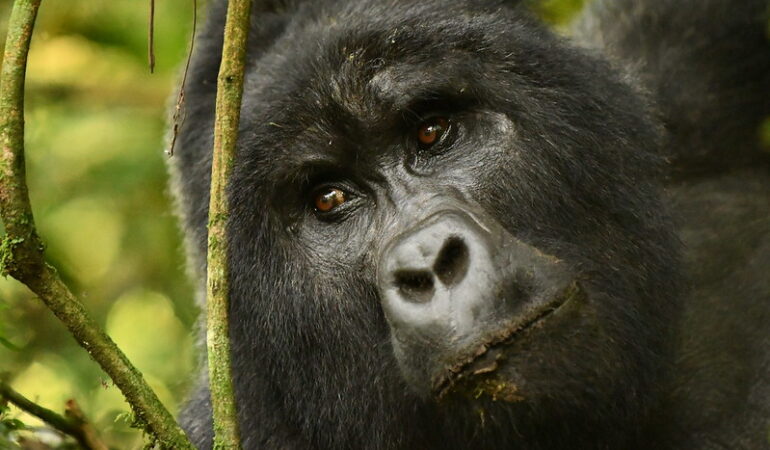
Mountain gorillas are among the world’s rarest and most extraordinary primates. Known for their thick fur, gentle nature, and close genetic relationship with humans, these great apes attract thousands of tourists each year who travel to East Africa for unforgettable gorilla trekking safaris.
One of the most common questions travelers ask before planning their safari is:
Where do mountain gorillas live?
Mountain gorillas (Gorilla beringei beringei) live exclusively in the forests of East and Central Africa, split between two main regions:
-
The Virunga Massif (a chain of volcanic mountains shared by Uganda, Rwanda, and DR Congo)
-
The Bwindi Impenetrable Forest in Uganda
These habitats offer the cool temperatures, dense vegetation, and high-altitude forests that mountain gorillas need to survive.
In this comprehensive guide, we explore all the places where mountain gorillas live, what makes their habitat so unique, and how you can visit them responsibly with Monumental Gorilla Tours.
1. Mountain Gorillas Live in the Virunga Massif
The Virunga Massif (also known as the Virunga Conservation Area) is a spectacular chain of eight volcanic mountains stretching across Uganda, Rwanda, and the Democratic Republic of Congo. It hosts over 600 mountain gorillas, more than half of the world’s total population.
The Virunga Massif includes:
-
Volcanoes National Park (Rwanda)
-
Mgahinga Gorilla National Park (Uganda)
-
Virunga National Park (DR Congo)
Let’s explore each region in detail.
a) Volcanoes National Park – Rwanda
Volcanoes National Park is one of the most iconic destinations for mountain gorilla trekking. Located in Rwanda’s Northern Province, it forms part of the larger Virunga ecosystem.
Why Mountain Gorillas Love Volcanoes National Park
-
High-altitude bamboo forests rich in stems and leaves
-
Thick vegetation for cover and nesting
-
Cool, moist climate ideal for gorillas’ thick fur
It is home to multiple habituated gorilla families, making it one of the best places in Africa to see mountain gorillas up close.
Plan a Rwanda gorilla trek
For expert-guided Rwanda gorilla tours, visit: Monumental Gorilla Tours and Safaris.
b) Mgahinga Gorilla National Park – Uganda
Mgahinga is Uganda’s smallest national park but forms a crucial part of the gorilla habitat in the Virunga Massif. Situated on the slopes of the Muhavura, Sabinyo, and Gahinga volcanoes, the park is home to the famous Nyakagezi gorilla family.
Why Mountain Gorillas Live in Mgahinga
-
Montane forests and bamboo vegetation
-
Availability of fruits, herbs, and shrubs
-
High elevations ranging from 2,227 m to 4,127 m
Mgahinga offers peaceful trekking experiences, fewer crowds, and breathtaking volcanic scenery.
c) Virunga National Park – DR Congo
Virunga National Park is Africa’s oldest national park and one of the most biodiverse protected areas on the continent. Its lush slopes on Mount Mikeno host several habituated mountain gorilla families.
What Makes Virunga Ideal for Gorillas?
-
Thick, untouched jungle terrain
-
High-altitude forests
-
Rich food supply from wild celery, nettle, and bamboo
Although gorilla trekking here is more adventurous, it rewards visitors with unmatched wilderness and fewer tourists.
2. Mountain Gorillas Also Live in Bwindi Impenetrable Forest – Uganda
The second and equally important habitat for mountain gorillas is the Bwindi Impenetrable National Park in southwestern Uganda. It is home to nearly half of the world’s remaining mountain gorillas—around 459 individuals.
Bwindi is unique because it is not part of the Virunga Massif, yet it supports the largest number of gorillas in the world.
Why Bwindi Is Perfect for Mountain Gorillas
-
Dense, ancient rainforest over 25,000 years old
-
Altitudes ranging from 1,160 to 2,600 meters
-
Wide variety of fruiting trees, aphids, leaves, and vines
-
Cool temperatures and high rainfall
It is called “Impenetrable” because of its tangled vegetation, steep hills, and deep valleys—conditions gorillas thrive in.
Explore Bwindi with a professional safari
Visit:
👉 Monumental Gorilla Tours and Safaris.
Why Mountain Gorillas Live Only in These Areas
Mountain gorillas are highly specialized animals that can only survive in cool, mountainous environments rich in vegetation. Their thick fur protects them from cold temperatures found at high elevations between 2,000–4,000 meters.
Below are the reasons why they are restricted to the Virunga Massif and Bwindi:
1. Climate Requirements
They need cool, wet conditions to stay healthy, which the tropical highlands of East Africa provide.
2. Food Availability
Mountain gorillas eat over 142 plant species, and these regions offer:
-
Bamboo shoots
-
Wild celery
-
Thistles
-
Nettles
-
Lianas
-
Tree bark
3. Security and Isolation
Thanks to national park protections, these regions remain safe havens from poaching and human encroachment.
4. Elevation Preferences
Their bodies are adapted to high elevations where diseases and predators are fewer.
Mountain Gorilla Population Distribution
Today, mountain gorillas exist only in two isolated populations:
Population 1: Virunga Massif
-
Rwanda (Volcanoes NP)
-
Uganda (Mgahinga NP)
-
DR Congo (Virunga NP)
Population: ~604 gorillas
Population 2: Bwindi Impenetrable Forest
Population: ~459 gorillas
Combined, these populations give us the current estimated total of just over 1,000 mountain gorillas.
Mountain Gorilla Habitat Zones
Mountain gorillas live within several ecological zones depending on altitude:
1. Bamboo Zone (2,200 – 2,800 m)
A favorite feeding area during the bamboo-shoot season.
2. Hagenia-Hypericum Zone (2,800 – 3,400 m)
Offers fresh leaves, bark, and stems.
3. Afro-montane Forest (2,000 – 3,000 m)
Dense and humid, ideal for nesting and shelter.
4. Subalpine Zone (3,400 – 4,000 m)
Sparse vegetation but used occasionally for movement.
Their choice of zone depends on weather, food availability, and troop movement patterns.
Why Uganda, Rwanda, and DR Congo Are the Only Mountain Gorilla Destinations
Because mountain gorillas live in only two major habitats, the only countries where tourists can trek them are:
1. Uganda
Home to the largest number of mountain gorillas and the famous Bwindi and Mgahinga parks.
2. Rwanda
Known for luxury trekking experiences, short travel distances, and well-established tourism infrastructure.
3. DR Congo
Offers adventurous treks and opportunities to see both mountain and eastern lowland gorillas.
How Habitat Protection Supports Mountain Gorilla Survival
Mountain gorillas were once on the brink of extinction. Thanks to habitat protection efforts, their numbers have been increasing steadily.
Key conservation strategies include:
-
Anti-poaching patrols
-
Community-based tourism
-
Park boundary enforcement
-
Gorilla monitoring and veterinary programs
-
Environment-friendly farming practices
When travelers visit mountain gorillas, a portion of their gorilla trekking permit directly funds these conservation initiatives.
Explore responsible gorilla trekking packages at:
Monumental Gorilla Tours
What Threatens Mountain Gorilla Habitats?
Despite growing numbers, mountain gorillas still face habitat threats, including:
1. Human Encroachment
Expanding farmlands and settlements push into their territory.
2. Poaching
Although rare today, snares set for other animals still injure gorillas.
3. Disease
Due to close genetic relatedness, gorillas can catch human illnesses.
4. Political Instability
Some regions, especially in DR Congo, experience insecurity.
5. Climate Change
Gradual warming may alter vegetation patterns and reduce suitable habitat.
The Best Places to Visit Mountain Gorillas
Below are the top destinations where tourists can trek and observe these magnificent apes.
1. Bwindi Impenetrable National Park – Uganda
Bwindi offers the highest number of habituated gorilla families and four trekking sectors:
-
Buhoma
-
Ruhija
-
Rushaga
-
Nkuringo
Each sector offers unique trails, excellent lodges, and rewarding encounters.
2. Volcanoes National Park – Rwanda
A world-class gorilla trekking destination offering:
-
Well-maintained trails
-
Short travel distance from Kigali
-
Luxury lodges
-
Multiple gorilla families
3. Mgahinga Gorilla National Park – Uganda
A peaceful and scenic alternative to Bwindi, ideal for trekkers seeking quieter trails.
4. Virunga National Park – DR Congo
Perfect for adventurous travelers seeking a raw, off-the-beaten-path experience.
Final Thoughts
Mountain gorillas are rare, majestic, and deeply captivating animals that survive only in the mountain forests of Uganda, Rwanda, and DR Congo. Their two natural homes—the Virunga Massif and the Bwindi Impenetrable Forest—offer the perfect mix of elevation, vegetation, and climate for their survival.
For unforgettable and responsible gorilla trekking adventures, expert guides, and tailored safari packages, explore:
Monumental Gorilla Tours